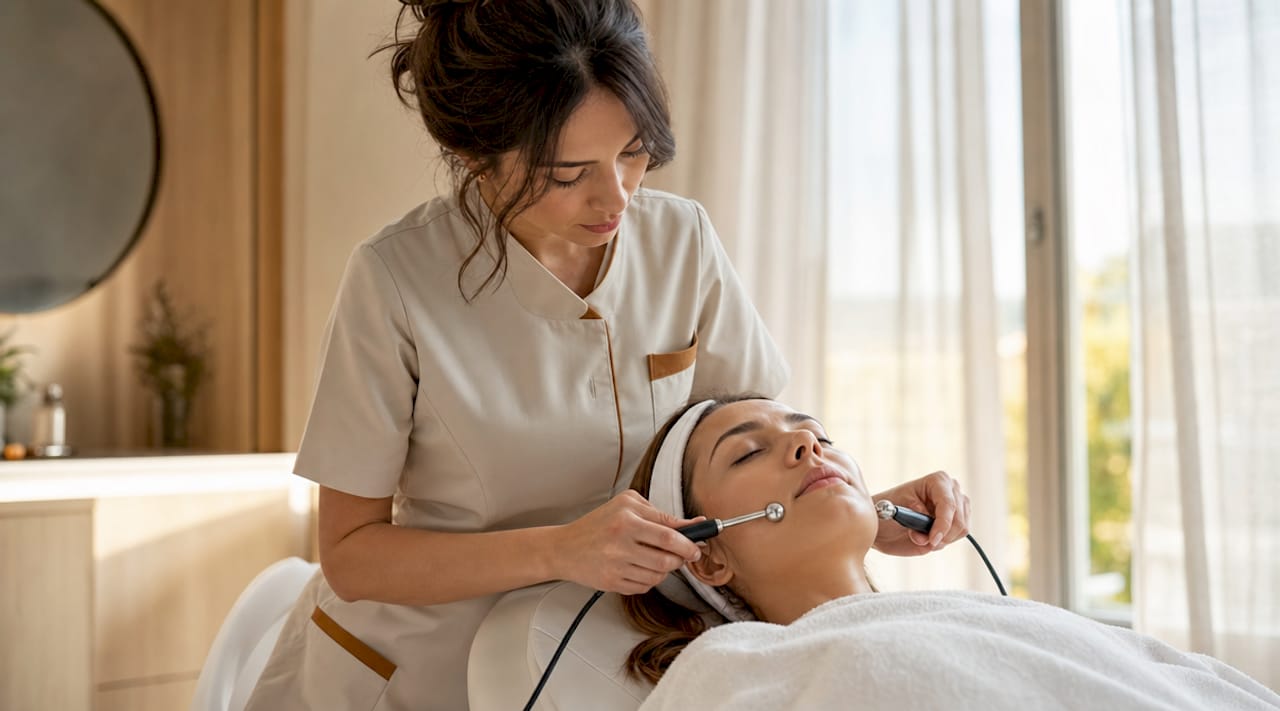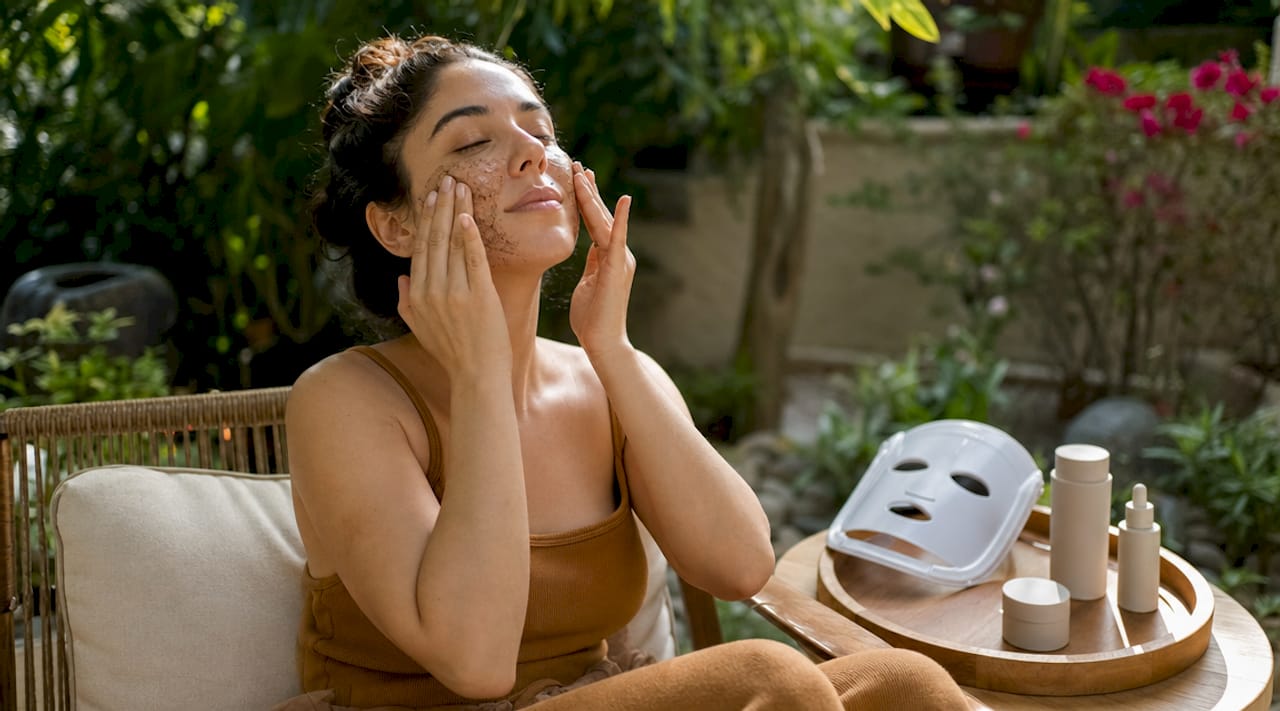
Combining exfoliation with LED therapy is the most effective at-home method for accelerating skin rejuvenation, provided you sequence the two treatments correctly. The principle is straightforward: exfoliation clears the dead-cell layer that scatters and absorbs light, allowing LED photobiomodulation to penetrate deeper and trigger collagen synthesis more efficiently. Devices from brands such as CurrentBody, Medicube, and Foreo have made professional-grade LED therapy accessible at home, but the results you get depend almost entirely on what you do before you switch the device on. This guide covers exfoliation techniques, LED science, sequencing rules, and the mistakes that undermine results.
What are the best exfoliation techniques to pair with LED therapy?
Exfoliation removes the outermost layer of dead skin cells, and the method you choose determines how much you can safely ask of your skin before an LED session. The two broad categories are mechanical and chemical, and each carries a different risk profile when you plan to follow up with light therapy.
Mechanical exfoliation includes facial scrubs, silicone cleansing brushes, and microdermabrasion tools. Scrubs and brushes are accessible and controllable, but they can create micro-tears if used too aggressively. Microdermabrasion delivers a more uniform result and is well-suited to oily or thicker skin types. The American Academy of Dermatology recommends exfoliating gently for roughly 30 seconds using circular motions, then moisturising immediately afterwards. That guidance exists because even mild mechanical friction disrupts the skin barrier temporarily.
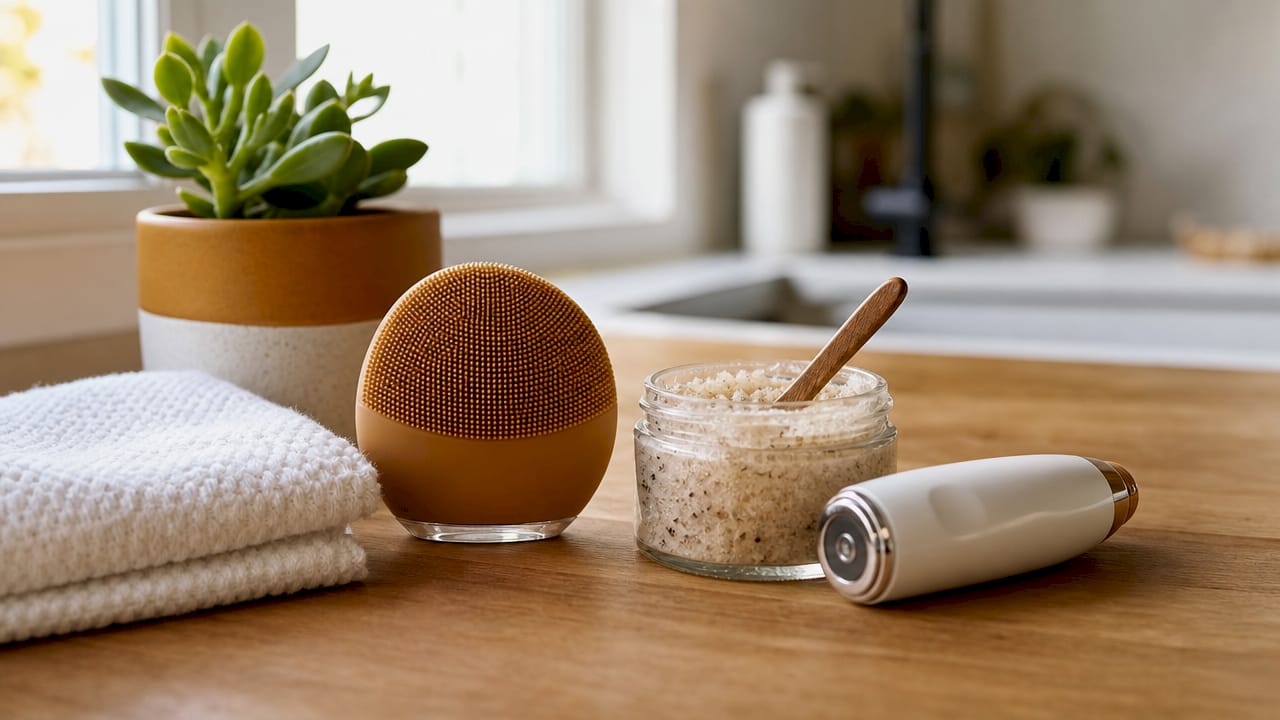
Chemical exfoliation uses acids to dissolve the bonds between dead cells rather than scrubbing them away. Alpha hydroxy acids (AHAs) such as glycolic and lactic acid work on the surface and suit dry or dull skin. Beta hydroxy acids (BHAs) such as salicylic acid penetrate the pore lining and are better suited to oily or acne-prone skin. Superficial peels using low-concentration glycolic acid are the most compatible with LED therapy because they act only on the outermost layer and leave the deeper barrier intact.
Skin type matters enormously when you select exfoliation strength. Stronger exfoliation increases irritation risk, particularly for sensitive skin and darker skin tones, where post-inflammatory hyperpigmentation is a real concern. Dry and sensitive skin types should limit chemical exfoliation to once per week using a low-concentration AHA. Oily skin can tolerate a BHA two to three times per week without compromising the barrier before LED use.
- Dry or sensitive skin: Use a low-concentration lactic acid (5 to 8%) once weekly. Avoid mechanical scrubs entirely.
- Oily or combination skin: A 1 to 2% salicylic acid toner two to three times weekly works well. Microdermabrasion once a fortnight is also suitable.
- Normal skin: Glycolic acid at 8 to 10% twice weekly, or a gentle silicone brush on non-LED days.
- Darker skin tones: Prioritise chemical over mechanical to reduce friction-related irritation, and keep concentrations low.
Never exfoliate over open wounds, active breakouts with broken skin, or sunburned areas. LED therapy applied to a compromised barrier does not accelerate healing. It worsens inflammation.
Pro Tip: Match your exfoliation strength to your skin’s current condition, not its usual tolerance. Hormonal changes, travel, and seasonal shifts all affect barrier resilience. If your skin feels tight or looks slightly pink after cleansing, skip exfoliation entirely that day and proceed directly to your LED session.
How does LED therapy work and what are its skincare benefits?
LED therapy, formally known as photobiomodulation, is a non-thermal light treatment that stimulates cellular activity without damaging tissue. Understanding the mechanism helps you appreciate why the preparation you do before a session matters so much.
Photobiomodulation activates cytochrome c oxidase, a protein in the mitochondria, which then produces adenosine triphosphate (ATP). ATP is the cell’s energy currency. More ATP means faster cellular repair, increased fibroblast activity, and greater collagen and elastin production. One well-studied parameter is 660 nm red light at an energy density of 2.7 J/cm² delivered over a seven-minute session. That specificity matters because the benefits are not generic. They are tied to precise wavelengths and dosages.
Red and near-infrared light in the 630 to 660 nm range is the most widely validated for anti-aging purposes. Red and NIR LED consistently improves photoaging signs including skin texture, elasticity, and fine-wrinkle reduction. This means a well-parameterised device genuinely delivers measurable results, not just a pleasant glow.
The key benefits of regular LED therapy for skin rejuvenation include:
- Collagen synthesis: Fibroblasts produce more collagen in response to red light, which firms skin and reduces fine lines over a course of treatments.
- Improved skin texture: Faster cell turnover and repair produce a smoother surface, particularly noticeable after four to six weeks of consistent use.
- Reduced redness and inflammation: Near-infrared wavelengths calm inflammatory pathways, making LED useful after mild exfoliation.
- Enhanced radiance: Better circulation and cellular activity produce a visible luminosity that builds over time.
“Consumer devices generally deliver lower irradiance and have limited validation compared with professional systems.” — Forum Dermatologicum, 2024
This is the honest limitation of at-home use. Devices such as the CurrentBody Skin LED Face Mask Series 1 are among the better-validated consumer options, but even these operate at lower fluence than clinic equipment. You can still achieve meaningful results at home, but you need consistent use over weeks rather than expecting dramatic change from a single session. Choosing a device with published wavelength and irradiance specifications is the single most important purchase decision you can make. For guidance on selecting the right device for your skin type, Glowera’s article on choosing LED masks is a practical starting point.
When and how to sequence exfoliation and LED therapy safely at home
Sequencing is where most people go wrong. The question is not simply “exfoliate before LED?” but “how long before, and with what method?”
The governing principle is skin barrier status. LED photobiomodulation supports calm and repair pathways. It is not an active treatment designed to be layered immediately onto compromised skin. Think of it as a recovery accelerator rather than an attack. That framing changes how you plan your routine.
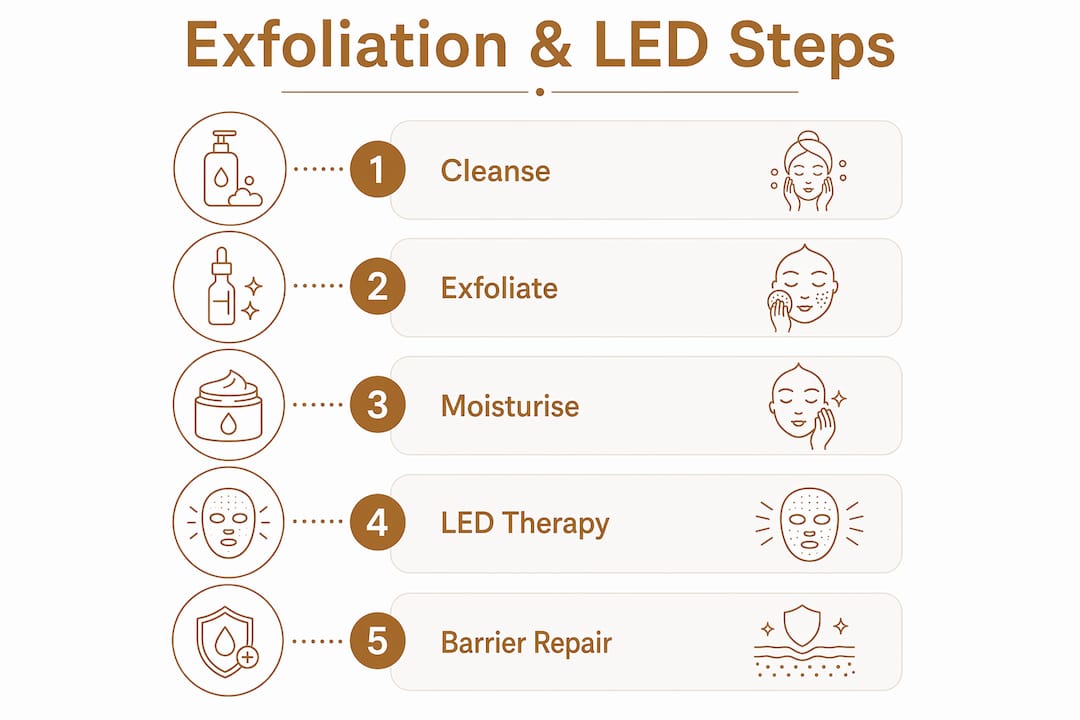
Here is the recommended sequence for a standard at-home session:
- Cleanse thoroughly with a gentle, non-stripping cleanser to remove SPF, makeup, and surface debris.
- Exfoliate using your chosen method appropriate to your skin type. Keep mechanical exfoliation to 30 seconds. For chemical exfoliation, apply your AHA or BHA, leave for the recommended contact time, then rinse completely.
- Moisturise immediately after exfoliation. Apply a hydrating serum or a barrier-supporting moisturiser containing ceramides or hyaluronic acid. Allow it to absorb for five to ten minutes.
- Assess your skin. If it feels calm, looks even-toned, and shows no redness or tightness, proceed to your LED session. If it feels irritated, stop and rest.
- Apply your LED device according to the manufacturer’s instructions. A typical session runs seven to twenty minutes depending on the device.
- Follow with a nourishing moisturiser or a peptide serum after the LED session to support the repair process the light has initiated.
Timing between exfoliation and LED depends on the depth of exfoliation. After a superficial peel, once the acid has been neutralised and rinsed, you can proceed to red LED within the same session. Clinical data shows this combination produces 15 to 25% greater improvement in luminance and fine-line reduction compared to the peel alone. That is a meaningful uplift from a single protocol adjustment. For medium-depth peels, a 72-hour waiting period is recommended before LED use to allow barrier restoration. Applying LED to skin that is still actively peeling or inflamed will worsen erythema and delay recovery.
“The main consideration when combining exfoliation and LED therapy is skin barrier status rather than exfoliation modality alone.” — Timeless Med Spa
Pro Tip: Moisturising between exfoliation and your LED session is not optional. It actively supports the barrier repair that LED therapy then amplifies. Skipping this step reduces the benefit of the combination and increases the chance of post-treatment sensitivity.
For a broader look at how LED fits into a complete anti-aging routine, the Glowera guide on LED therapy for anti-aging covers frequency and layering in more detail.
What mistakes should you avoid when combining these treatments?
The most common errors when you combine exfoliation with LED therapy fall into a predictable pattern. Recognising them early saves your skin and your time.
- Over-exfoliating before LED sessions. Aggressive exfoliation on compromised skin worsens inflammation rather than accelerating repair. If you exfoliate daily or use high-concentration acids, your barrier is likely already weakened before you even switch on your device. Reduce frequency first.
- Using a low-quality LED device and expecting synergy. Device parameters including wavelength and fluence critically affect outcomes. A device without published specifications is unlikely to deliver the photobiomodulation response that makes the combination worthwhile. Check for clinical validation before purchasing.
- Applying retinoids or strong acids immediately before LED. Retinoids thin the skin’s surface layer and increase photosensitivity. Using them on the same evening as LED therapy, without a recovery window, amplifies irritation rather than results. Keep retinoid use on separate evenings from your LED sessions.
- Ignoring skin type when choosing exfoliation strength. A glycolic acid peel that suits oily skin can cause significant irritation on dry or sensitised skin, and the subsequent LED session will amplify that reaction. The American Academy of Dermatology is explicit: match exfoliation strength to skin type, not to what worked for someone else.
- Treating LED as an active step on broken skin. Red and near-infrared light therapy on sunburned, over-exfoliated, or inflamed skin does not accelerate healing. It stresses already-compromised tissue further. Rest the skin, restore the barrier, and return to your combined routine once the skin feels stable.
Signs that you need to pause the combined routine include persistent redness lasting more than 24 hours after a session, increased sensitivity to water temperature, flaking that continues beyond two days, and a stinging sensation during LED use. These are signals to reduce exfoliation frequency and allow the barrier to recover before resuming.
Key takeaways
Combining exfoliation with LED therapy delivers measurably better skin rejuvenation results only when the skin barrier is intact and the sequence follows a cleanse, exfoliate, moisturise, then LED order.
| Point | Details |
|---|---|
| Sequence matters above all | Cleanse, exfoliate, moisturise, then apply LED. Never use LED on irritated or freshly over-exfoliated skin. |
| Superficial peels pair best | Glycolic acid peels can be followed by red LED in the same session once neutralised, yielding up to 25% better results. |
| Barrier status is the deciding factor | Medium-depth peels require a 72-hour wait before LED. Skin must feel calm and even before any LED session. |
| Device quality determines outcome | Choose LED devices with published wavelength and irradiance data. Consumer devices vary widely in efficacy. |
| Match exfoliation to skin type | Sensitive and darker skin tones need lower-concentration chemical exfoliants and less frequent sessions to avoid barrier damage. |
Why I think most people are doing this combination backwards
Most people treat LED therapy as the reward they get after exfoliation. They scrub, peel, or brush, then immediately reach for their LED mask as if the light will fix any damage done. That instinct is understandable but clinically backwards. LED photobiomodulation is a restorative tool, not a corrective one. It amplifies what is already working in a healthy barrier. It does not rescue a barrier you have just disrupted.
I have seen this play out repeatedly: people invest in a quality device like the CurrentBody LED mask, pair it with an aggressive acid routine, and then report that their skin looks worse after a month. The device is not the problem. The sequencing is. The light is stimulating inflammation rather than repair because the barrier never had a chance to recover between sessions.
The other thing worth saying plainly is that consumer LED devices have real limitations. The gap between clinic and home devices in terms of irradiance is significant. That does not mean home devices are useless. It means you need to be consistent over weeks and months, not sessions. The combination of gentle, well-timed exfoliation and regular LED use compounds over time. The people who see the best results are not the ones doing the most. They are the ones doing it correctly and patiently.
Personalise your frequency based on how your skin responds, not on what a routine chart suggests. Two people with the same skin type can have very different barrier resilience depending on stress, diet, and environment. Your skin’s feedback is the most reliable data you have.
— Adam
Explore LED and exfoliation devices at Glowera
If you are ready to build a combined routine at home, Glowera offers a curated selection of clinically validated LED therapy devices and exfoliation tools suited to a range of skin types and budgets.
The CurrentBody LED Face Mask Series 1 is one of the most rigorously validated consumer devices available, with published wavelength data and consistent clinical backing. For those interested in K-beauty exfoliation and skin tech, Glowera’s K-beauty device range includes Medicube tools designed for at-home skin renewal. Browse the full LED therapy collection to find a device that matches your skin goals, with authentic products and delivery across Saudi Arabia.
FAQ
Can I use LED therapy immediately after exfoliating?
Yes, but only after a very superficial chemical peel that has been fully neutralised and rinsed. For medium-depth peels or aggressive mechanical exfoliation, wait at least 72 hours before your LED session to allow barrier recovery.
How often should I combine exfoliation with LED therapy?
For most skin types, exfoliating once or twice per week followed by an LED session the same evening or the next day is sufficient. Sensitive skin should limit exfoliation to once weekly and always moisturise before LED use.
Does exfoliation actually improve LED therapy results?
Yes. Pairing glycolic acid peels with red LED produces 15 to 25% greater improvement in luminance and fine-line reduction compared to the peel alone, because removing the dead-cell layer allows light to penetrate more effectively.
Which exfoliation method is safest before LED therapy?
Low-concentration AHAs such as lactic acid or glycolic acid at 5 to 10% are the safest option before LED therapy. They act on the surface layer without disrupting the deeper barrier, provided they are rinsed thoroughly before the LED session begins.
Can I use a retinoid and LED therapy on the same evening?
No. Retinoids increase surface sensitivity and should be used on separate evenings from LED sessions. Combining them on the same night increases the risk of irritation without adding meaningful benefit.