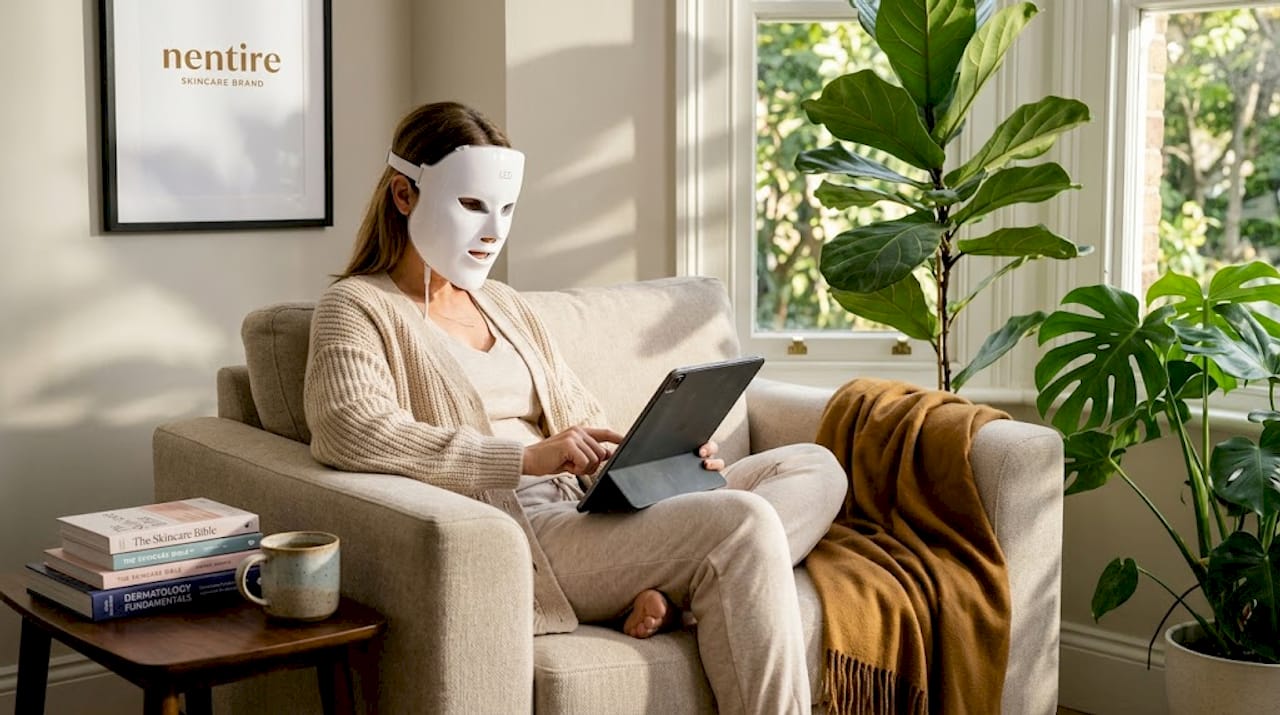
Choosing an at-home anti-aging device when the market is flooded with overblown claims is genuinely difficult. The benefits of led light therapy have attracted serious clinical attention, and for good reason. Unlike peels or aggressive resurfacing treatments, LED therapy works at the cellular level, gradually improving your skin without downtime or discomfort. For beauty-conscious consumers in Saudi Arabia looking for a safe, science-backed solution that fits into a daily routine, understanding exactly what LED therapy does and does not do is the essential first step before investing in a device.
Table of Contents
- How LED light therapy works and why it suits your skin
- Top anti-aging benefits of LED light therapy for your skin
- Additional skincare benefits: acne, pigmentation and inflammation
- Professional vs at-home LED light devices: what you need to know
- Consistency and realistic expectations: keys to success with LED therapy
- Our unique perspective on LED light therapy for beauty-conscious consumers
- Discover effective LED light therapy devices and skincare tech at Glowera
- Frequently asked questions
Key Takeaways
| Point | Details |
|---|---|
| Science-backed benefits | LED light therapy is clinically proven to stimulate collagen, reduce inflammation, and improve pigmentation gradually. |
| Safety for all skin types | This therapy works without heat, making it safe for darker skin tones and sensitive skin. |
| Consistency matters | Optimal results require regular treatments over several weeks, not instant fixes. |
| Device quality impacts results | Professional-grade devices show stronger effects, but validated home devices can work well if used properly. |
| Integrate with skincare routines | Combining LED therapy with good skincare and expert advice enhances anti-aging benefits. |
How LED light therapy works and why it suits your skin
LED stands for light-emitting diode, and the therapy works through a process called photobiomodulation. In plain terms, specific wavelengths of light penetrate your skin and are absorbed by cells, triggering biological responses that support repair and renewal. The key player is an enzyme called cytochrome c oxidase, found in your mitochondria. When it absorbs red or near-infrared light, it increases cellular ATP production, which is the energy currency your cells use to carry out repair processes and reduce inflammation.
What makes this mechanism particularly relevant for those with deeper skin tones common across Saudi Arabia is what LED therapy does not do. It produces no heat in the tissue itself. No heat means no risk of triggering post-inflammatory hyperpigmentation, a common and frustrating side effect of laser and intense pulsed light treatments for Fitzpatrick skin types V and VI. The LED therapy skin benefits are accessible to virtually all skin types without that concern.
Here is a quick summary of what happens under different wavelengths:
- Red light (620 to 700 nm): Penetrates to the dermis, stimulating collagen production and reducing inflammation
- Near-infrared light (700 to 1100 nm): Reaches deeper tissue layers, accelerating cellular repair and improving circulation
- Blue light (415 to 450 nm): Works at the surface level, targeting acne-causing bacteria
- Yellow and amber light: Supports lymphatic drainage and soothes redness
The approach is gradual and cellular, not aggressive. That distinction matters enormously if your skin has previously reacted badly to stronger treatments.
Pro Tip: Consistency is far more important than intensity. Using an LED device three to four times per week delivers better cumulative results than occasional high-frequency sessions.
Top anti-aging benefits of LED light therapy for your skin
This is where the clinical evidence becomes genuinely compelling. The primary anti-aging mechanism of LED therapy is its effect on fibroblasts, the cells in your dermis responsible for producing collagen and elastin. Red and near-infrared light stimulate these cells directly. The result, with consistent use, is measurably firmer, smoother skin.
Increased collagen density and measurable wrinkle reduction have been documented after 8 to 12 weeks of treatment in multiple clinical settings. That is not marketing language. That is what controlled studies show when participants use devices with validated wavelengths and adequate power.
Here are the key anti-aging effects you can realistically expect:
- Reduction in fine lines and wrinkles, particularly around the eyes and mouth, as collagen rebuilds the skin’s structural support
- Improved skin elasticity, meaning skin bounces back more readily and looks less slack
- More even skin tone, as LED therapy gently regulates melanin production and reduces pigmentation over time
- Enhanced radiance, driven by improved blood circulation and tissue oxygenation at the treatment site
- Reduction in melasma patches with regular weekly sessions over 10 to 12 weeks
Clinical highlight: Women in one study who underwent twice-weekly LED treatment sessions showed significant improvement in skin texture, wrinkle depth, and overall complexion quality within three months. The key variable was not device power alone but regularity of use.
Browse the CurrentBody LED therapy panel if you are looking for a device with validated wavelengths and clinically relevant fluence levels. Device specifications matter far more than the size of the box or the aesthetic of the packaging.
The clinical anti-aging research consistently points to the same conclusion: LED therapy works, but it rewards patience.
Additional skincare benefits: acne, pigmentation and inflammation
LED therapy’s advantages extend well beyond anti-aging. Two of the most practically significant are its effects on active acne and chronic skin inflammation, both of which are extremely common concerns in warmer climates like Saudi Arabia, where humidity, heat, and frequent sun exposure can disrupt skin balance.
Blue light LED therapy targets Propionibacterium acnes, the bacteria responsible for inflammatory breakouts. It works by activating porphyrins, compounds produced naturally by the bacteria, which then destroy the bacterial cells from within. No antibiotics. No harsh topical chemicals. Just light. LED therapy reduces active acne by decreasing excess oil production and eliminating the bacteria that feed on it.
Red light adds another layer of benefit by reducing inflammatory cytokines, the chemical signals in your skin that drive redness, swelling, and irritation. This makes LED therapy particularly useful for:
- Rosacea: Red light calms persistent flushing and visible capillaries without heat-based risk
- Eczema-prone skin: Reduces inflammatory flare-ups when used consistently
- Cystic acne aftermath: Accelerates healing of post-breakout inflammation and tissue damage
- Pigmentation-prone skin: Avoids triggering the melanin overproduction that chemical peels or lasers can cause
For those dealing with melasma specifically, twelve weeks of weekly sessions produce significant pigmentation reduction without the recovery time or irritation risk of alternatives. This is one of the most underappreciated advantages of LED skin therapy for consumers with darker complexions.
Browse the full range of LED therapy device options to find a device suited to your primary concern, whether that is acne, pigmentation, or anti-aging.
Professional vs at-home LED light devices: what you need to know
Understanding the difference between clinic-grade and consumer LED devices will save you both money and disappointment. The honest answer is that both can work, but they are not equal, and knowing why helps you make a smarter choice.
Professional systems operate at higher irradiance (measured in mW/cm²) and deliver a controlled fluence (total energy dose in J/cm²) validated through clinical trials. Consumer LED masks generally deliver lower irradiance and fluence than professional systems, which means results come more slowly or are less dramatic. That does not make home devices useless. It means you need to choose wisely and commit to consistent use.
| Feature | Professional clinic device | Quality consumer device |
|---|---|---|
| Irradiance | High (50 to 200 mW/cm²) | Low to moderate (10 to 50 mW/cm²) |
| Treatment time per session | 10 to 20 minutes | 10 to 30 minutes |
| Cost per session | SAR 200 to 700+ | One-time purchase |
| Convenience | Appointment required | Daily home use |
| Typical results timeline | 4 to 8 weeks | 8 to 16 weeks |
| Skin type safety | Validated for all types | Validated varies by brand |
The key factors to assess before buying any at-home device:
- Verified wavelengths (look for 630 to 660 nm red, 850 nm near-infrared, 415 nm blue)
- Published irradiance and fluence data, not just LED count
- Third-party testing or clinical validation references
- Consistency of coverage across the treatment area
Pro Tip: Avoid devices that advertise only the number of LEDs. A panel with 200 poorly positioned LEDs can underperform a panel with 60 precisely placed, high-power diodes.
Explore the LED therapy devices comparison available at Glowera, and read the at-home skincare device guide for a deeper breakdown of how different technologies compare.
Consistency and realistic expectations: keys to success with LED therapy
Here is where most people trip up. They purchase a quality device, use it enthusiastically for two weeks, see little visible change, and conclude the technology does not work. That is not a device failure. That is a misunderstanding of how cellular repair works.
LED therapy operates at the mitochondrial level. Cells need repeated stimulation to upregulate collagen production meaningfully. Optimal results typically emerge only after 8 to 12 consistent weekly sessions, with benefits continuing to build with maintenance use beyond that.
What a realistic timeline actually looks like:
- Weeks 1 to 3: Subtle improvements in hydration and skin texture; a slight glow
- Weeks 4 to 6: Mild reduction in redness or acne, skin feels more balanced
- Weeks 8 to 12: Visible improvement in fine lines, firmer skin, more even tone
- Month 3 and beyond: Progressive collagen remodelling continues with maintenance sessions
“Managing patient expectations is as important as the treatment itself. LED therapy is not an instant fix, but its safety profile and cumulative benefit make it one of the most sustainable tools in aesthetic dermatology.”
Some scientific reviews caution that marketing claims frequently outpace the clinical evidence, particularly around dramatic before-and-after timelines. LED therapy works, but it works on biology’s schedule, not a marketing department’s.
Track your sessions, photograph your skin in consistent lighting every two weeks, and treat the device like a skincare ritual rather than a one-off treatment. Find more on building a sustainable consistent LED therapy use routine on our site.
Our unique perspective on LED light therapy for beauty-conscious consumers
After reviewing the clinical literature and watching how consumers engage with LED devices over time, one thing stands out clearly: the gap between what devices promise and what users expect is the main reason people give up too soon.
LED therapy is a genuinely effective tool. The expert insights on LED therapy confirm that when used correctly with validated devices, the biological changes are real and measurable. But it is not a replacement for a good skincare routine. It is an amplifier of one.
The consumers who see the best results are not those who use the most expensive device. They are the ones who integrate LED sessions into an existing routine that includes proper sun protection (critical in Saudi Arabia), hydration, and appropriate actives like retinol or vitamin C used on alternate days. LED therapy amplifies what good skincare is already doing.
There is also a compelling argument for choosing LED over more aggressive alternatives not just for safety, but for sustainability. A treatment you can do three times a week at home, at no ongoing cost, with no recovery time, and with zero risk of damaging your skin barrier, is one you will actually stick with. And sticking with it is everything.
Our honest recommendation: invest in a device from a brand that publishes its clinical data, treat it as a long-term skincare commitment rather than a quick fix, and combine it with professional guidance if you are addressing specific concerns like melasma or severe acne scarring.
Discover effective LED light therapy devices and skincare tech at Glowera
If you are ready to move from understanding the benefits to actually experiencing them, the right device makes all the difference.
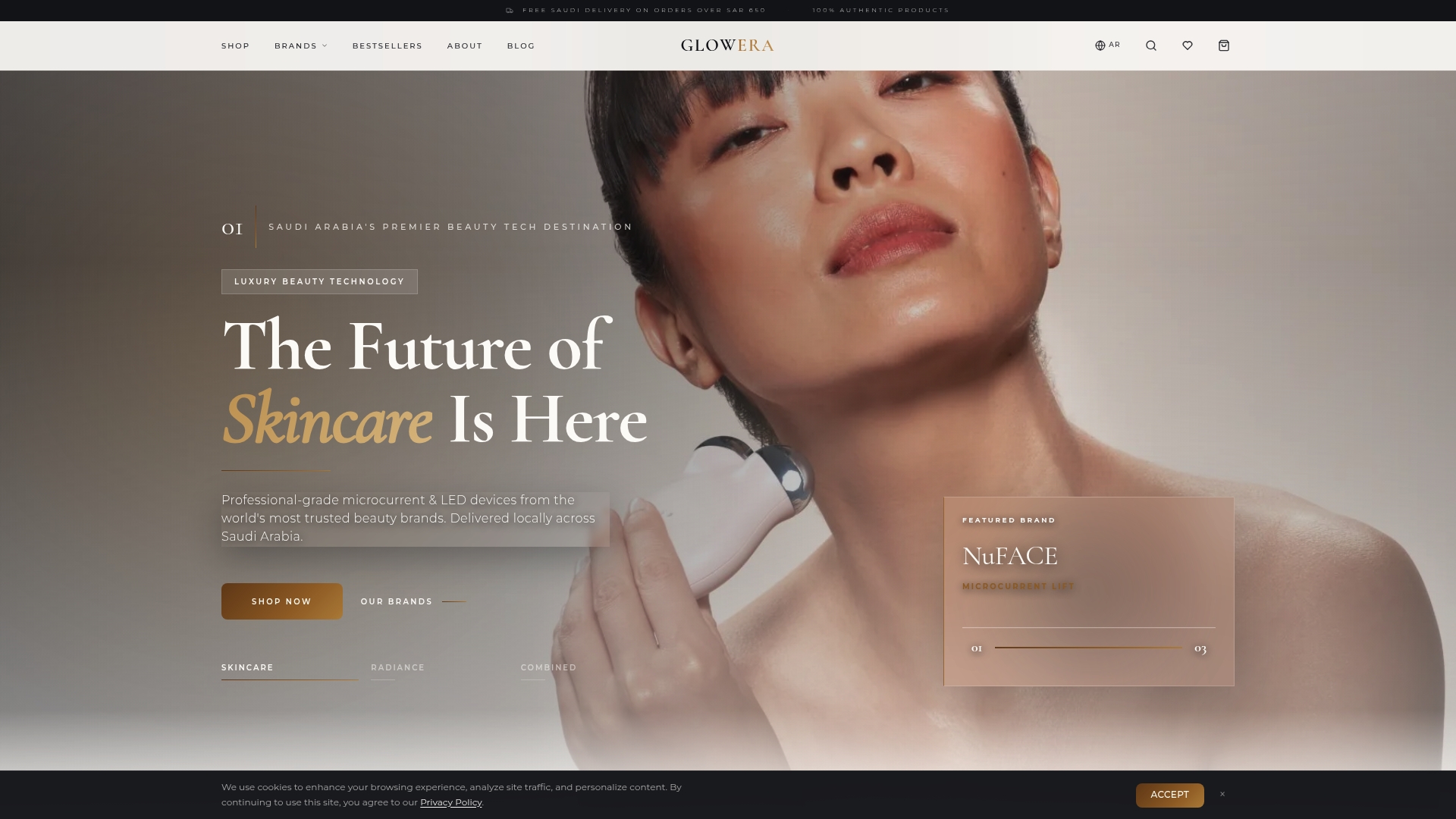
At Glowera, we carry a curated selection of consumer-validated LED therapy devices from brands with documented clinical performance. The CurrentBody LED therapy panel delivers clinically relevant red and near-infrared wavelengths for anti-aging and collagen support, while the CurrentBody LED eye mask targets the delicate eye area where fine lines and dark circles are often most visible. For those interested in complementary beauty technology from Korea’s leading aesthetic brands, our advanced K-beauty tech devices collection offers exceptional options that pair well with LED therapy. All products ship locally within Saudi Arabia with verified specifications and expert support.
Frequently asked questions
How long does it take to see results with LED light therapy?
Most users notice initial improvements in skin texture and hydration after 4 to 8 weeks of consistent use, with optimal results appearing after 8 to 12 weeks of regular treatment and maintenance sessions beyond that.
Is LED light therapy safe for darker skin tones?
Yes. LED therapy avoids melanocyte overstimulation because it generates no heat in the tissue, making it safe for Fitzpatrick skin types V and VI without any risk of post-inflammatory hyperpigmentation.
Can I use LED light therapy to treat acne and pigmentation simultaneously?
Yes. Combining blue and red light targets acne bacteria and reduces inflammation simultaneously while supporting more even pigmentation regulation, provided you use a device with both wavelengths consistently over several weeks.
Do home LED devices work as well as professional clinic treatments?
Home devices with validated specifications are effective, but consumer devices deliver lower irradiance than professional systems, meaning results take longer to appear and require consistent, regular use over a longer period.
Are there any side effects of LED light therapy?
LED therapy is considered very safe, with predominantly mild and transient effects reported across studies, making it suitable for sensitive skin and suitable for long-term use without the risks associated with heat-based or chemical treatments.