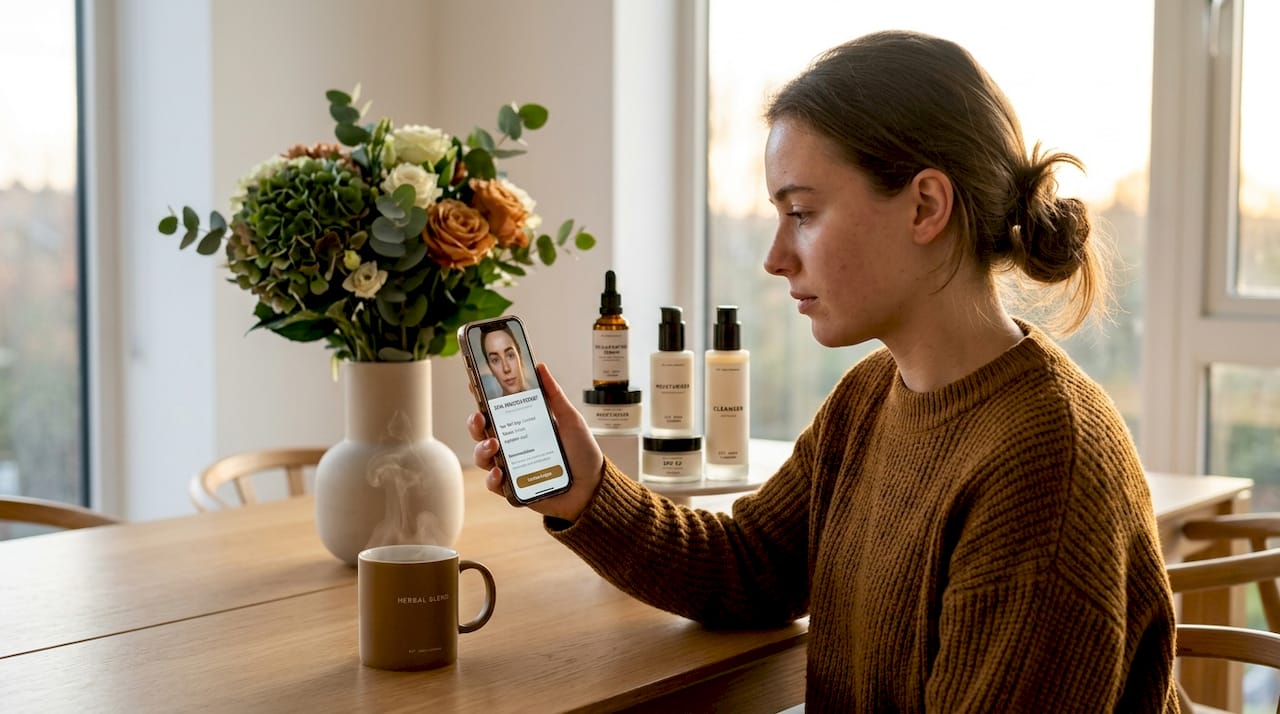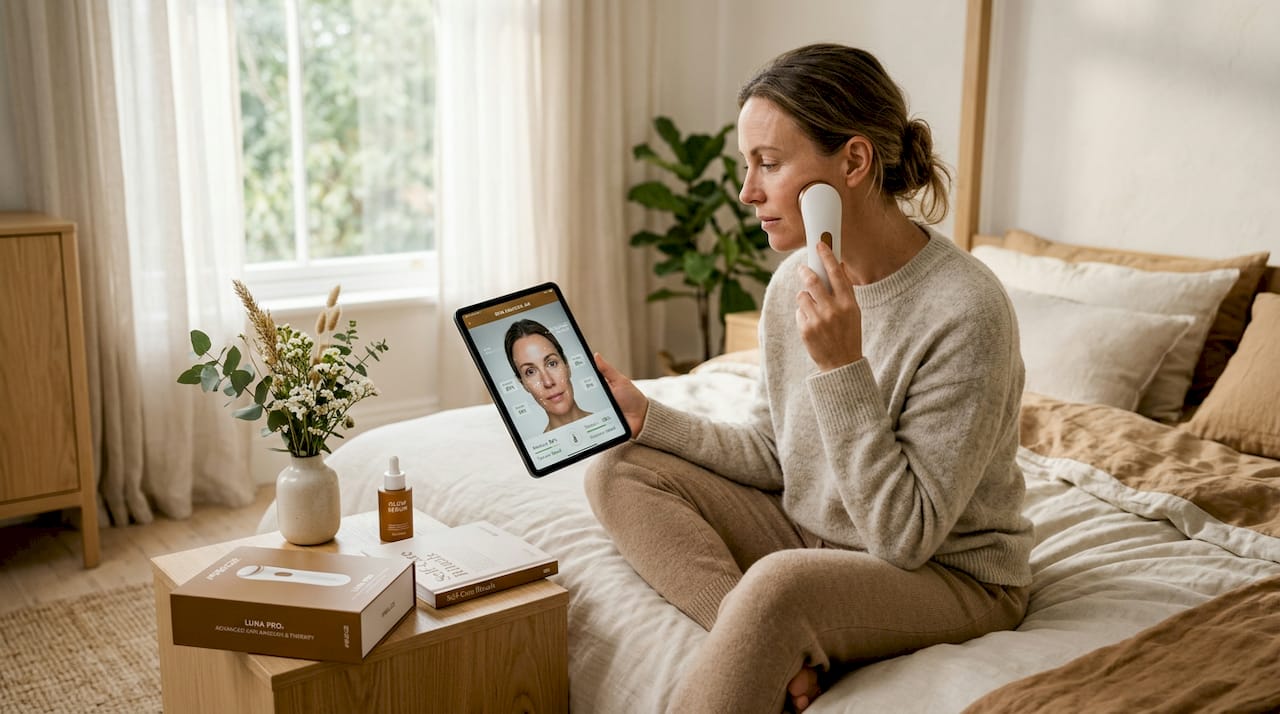
Smart beauty devices use sensors to capture precise, objective measurements of skin parameters that the human eye simply cannot assess reliably. Where a mirror shows you a reflection, a sensor-equipped device reads moisture levels, pigmentation depth, sebum distribution, and pore size in real time. Brands like SWAN Beauty and IVIVA Laser have demonstrated that sensor-driven skin analysis can deliver dermatologist-grade insights at home. Understanding why smart beauty devices use sensors means understanding the shift from guesswork to data, and from generic routines to genuinely personalised skincare.
What types of sensors are used in smart beauty devices?
Multi-spectral imaging is the most capable sensor technology currently deployed in consumer beauty devices. It captures skin data across multiple light spectra, including RGB visible light and UV wavelengths, to reveal conditions invisible under standard lighting. The SWAN Beauty Mirror’s AI Skin Analyser uses this approach to score seven skin concerns, including wrinkles, pigmentation, texture, oiliness, redness, acne, and UV spots, with longitudinal tracking built in. That breadth of measurement in a single session is what separates sensor-based devices from traditional at-home mirrors or manual skin consultations.
IVIVA Laser’s M9 skin analysis machine extends this further, analysing eight diagnostic dimensions including pore size, sebum distribution, moisture, sensitivity, and UV pigmentation in under ten seconds. The speed matters because it reduces the chance of skin condition changes between measurement points, keeping data consistent. Moisture sensors specifically measure hydration in the dermis, not just the surface, giving a more accurate picture of skin health beneath the outer layer.
The key parameters that smart beauty sensors commonly measure include:
- Moisture and hydration in both the epidermis and dermis
- Sebum and oiliness across the T-zone and cheeks
- Pigmentation and UV spots that indicate sun damage or melasma
- Wrinkle depth and skin texture scored against baseline readings
- Redness and sensitivity linked to inflammation or rosacea
- Pore size as an indicator of congestion and skin ageing
- Acne presence and distribution for targeted treatment planning
Calibrated lighting conditions are built into these devices to control for environmental variables. Without standardised illumination, the same patch of skin can read differently depending on the time of day or the room’s ambient light.
Pro Tip: When using a sensor-based skin analyser, always cleanse your face first and use the device in the same location each time. Consistent conditions are what make longitudinal tracking meaningful.
How do sensors improve accuracy over traditional skin assessments?
Traditional skin assessments rely on a practitioner’s trained eye, which introduces variability between sessions and between different practitioners. One aesthetician may grade pigmentation as moderate while another scores it as mild. Sensor-based devices remove that subjectivity entirely by producing numerical scores against fixed calibration standards.
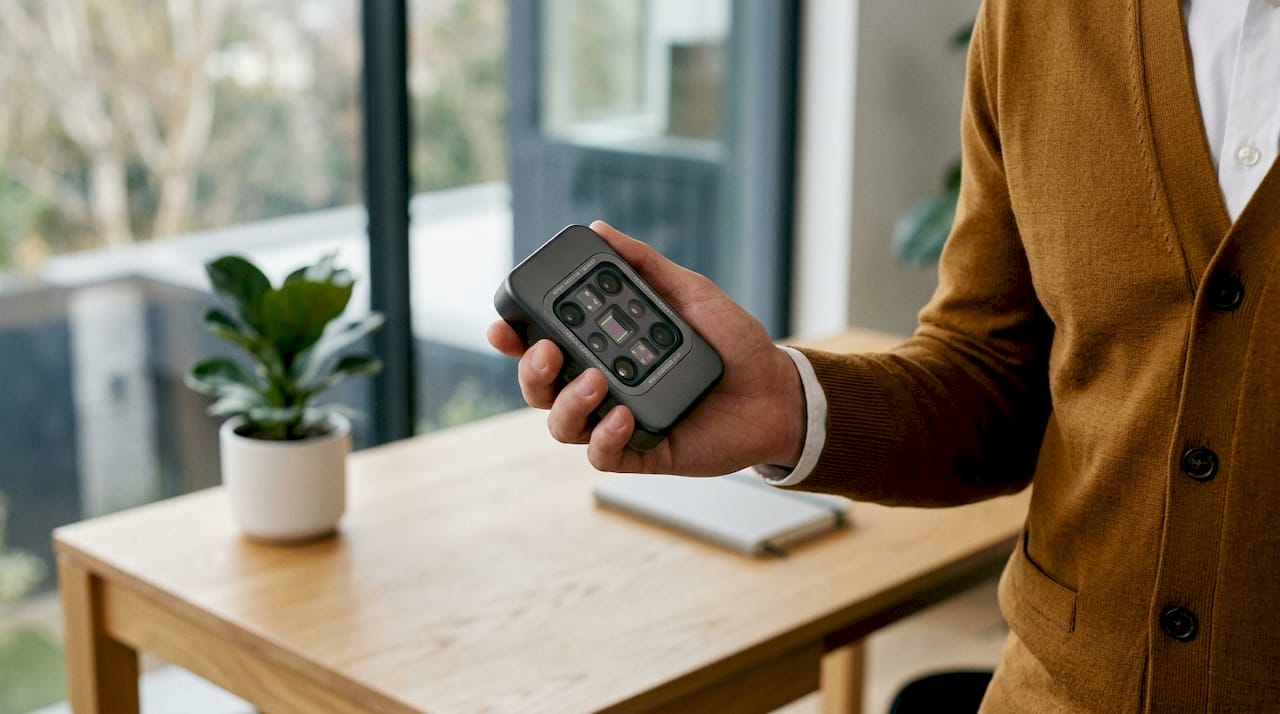
The concept of repeatability is central to why multi-spectral imaging has become the benchmark for professional skin analysis. Controlled positioning, consistent spectral modes, and calibrated exposure settings mean that a reading taken in week one and a reading taken in week eight are genuinely comparable. You are measuring true skin changes rather than artefacts created by different conditions. This is the same principle that makes clinical trials reliable, applied directly to your skincare routine.
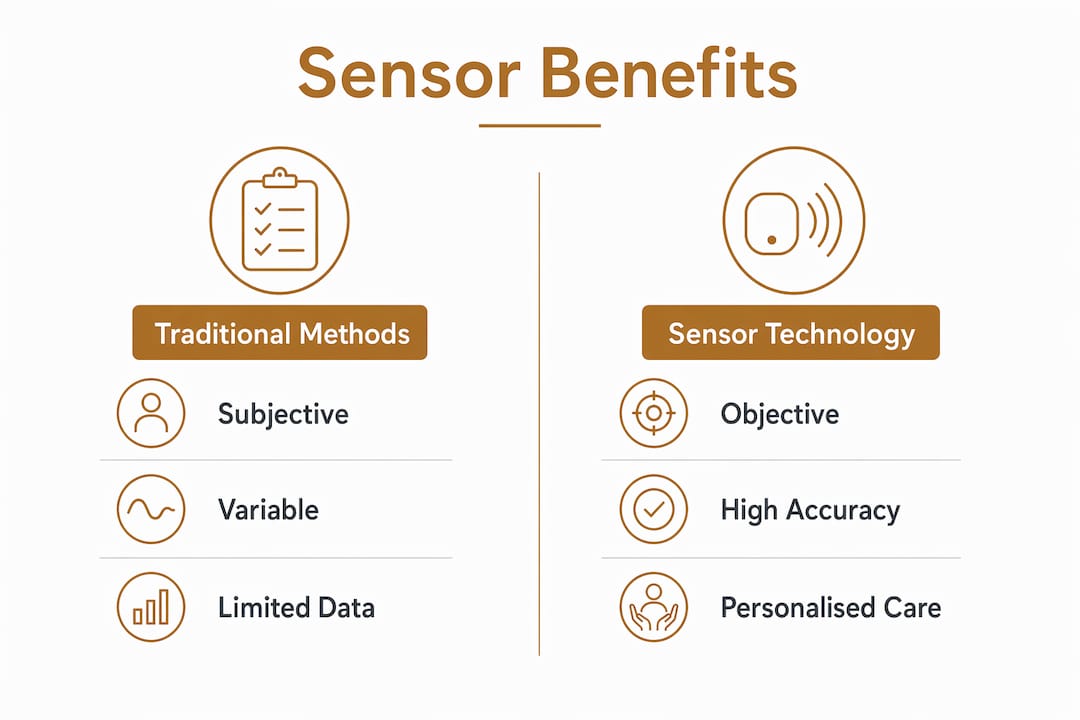
The table below illustrates the practical difference between sensor-based and traditional assessment methods:
| Assessment type | Accuracy | Repeatability | Personalisation |
|---|---|---|---|
| Manual practitioner review | Subjective, variable | Low across sessions | Based on experience |
| Sensor-based multi-spectral imaging | Objective, numerical | High with calibration | Driven by data |
| Standard at-home mirror | Visual only | None | None |
SWAN Beauty and IVIVA Laser both publish their clinical collaboration credentials alongside their sensor specifications, which matters for consumer confidence. When a device’s methodology has been reviewed by dermatologists, the scores it generates carry genuine authority. That authority is what allows users to make informed decisions about adjusting their routines rather than relying on product marketing claims.
Pro Tip: Track your sensor scores monthly rather than weekly. Skin changes are gradual, and monthly comparisons give you a clearer signal of genuine progress versus normal daily fluctuation.
What role do sensors play in personalised skincare routines?
Raw sensor data has no value until it is interpreted. The real power of sensor-enabled beauty technology lies in the algorithm layer that sits between measurement and recommendation. Sensor data feeds algorithms that personalise cleanser choices, moisturiser formulations, treatment intensities, and application sequences based on your specific skin profile at that moment in time.
SWAN Beauty’s Personalised Routine Builder is a clear example of this in practice. It guides users through a structured four-step sequence of cleanse, treat, moisturise, and protect, with each step informed by the sensor scores generated during the analysis session. If your oiliness score is elevated, the system adjusts its cleanser recommendation accordingly. If UV pigmentation has worsened since your last session, the protection step is weighted more heavily. The routine adapts to you rather than following a fixed script.
The process through which sensors create a personalised experience follows a consistent architecture:
- Sensor capture. The device measures multiple skin parameters under controlled conditions.
- Data processing. An algorithm scores each parameter against population baselines and your personal history.
- Recommendation generation. The system identifies which concerns are most active and prioritises treatment accordingly.
- Product matching. Sensor outputs are cross-referenced with a product catalogue to suggest specific formulations suited to your current skin state.
- Progress tracking. Each session updates your longitudinal profile, allowing the algorithm to refine its recommendations over time.
This sensor to algorithm to action chain is what makes smart beauty technology meaningfully different from a standard skincare quiz. A quiz captures your self-perception. A sensor captures your skin’s actual condition. The gap between those two things is often significant, particularly for concerns like UV pigmentation or early-stage moisture loss that are not yet visible to the naked eye.
How do regulatory frameworks shape sensor use in beauty devices?
The FDA’s January 2026 revised General Wellness Policy defines the boundaries within which sensor-based beauty devices can operate without requiring medical device clearance. Under this guidance, non-invasive sensor products that estimate physiological parameters for wellness purposes are permitted, provided they avoid clinical diagnosis or medical management claims. This distinction shapes every aspect of how these devices are designed and marketed.
The practical implications for consumers and brands are significant:
- Devices can report skin hydration scores and recommend moisturisers, but cannot claim to diagnose or treat a dermatological condition.
- Sensor outputs are framed as wellness coaching and trend tracking rather than clinical alerts or medical interventions.
- AI-powered shade matching and skin analysis tools fall within the wellness category when positioned correctly, avoiding the costly and time-consuming medical device approval process.
- Regulatory clarity accelerates market entry for beauty tech companies, which ultimately means more capable devices reach consumers faster.
- Brands that cross into diagnostic language risk reclassification as medical devices, which changes their entire regulatory and commercial pathway.
Understanding these limits helps you interpret what your device is actually telling you. A score of 62 out of 100 for skin texture is a wellness indicator, not a clinical diagnosis. It tells you where to focus your routine, not what condition you have. That framing is deliberate, legally necessary, and genuinely useful once you understand the context.
What are the real benefits of sensor-based beauty technology?
The most immediate benefit is objectivity. Smart sensors combined with AI deliver more accurate treatment suggestions, visible progress tracking, and personalised product recommendations than any subjective assessment can provide. You stop guessing whether your skin is improving and start reading the data. That shift in confidence changes how consistently people follow their routines.
Longitudinal tracking is the benefit that compounds over time. When your device records your skin scores across six months, you can see exactly which interventions produced results and which did not. This turns skincare from a faith-based practice into an evidence-based one. Motivation increases when progress is measurable, and adherence to routines improves when users can see the data behind their results.
“The transition from subjective to objective skincare is not a luxury feature. It is the foundation of any routine that actually works. Sensors make that transition possible at home, without a clinic appointment.”
Integration with app ecosystems adds a further layer of engagement. Most sensor-enabled devices sync with companion apps that store your history, send reminders, and update recommendations as your skin changes seasonally or in response to lifestyle factors. The benefits of beauty devices extend beyond the device itself when the data ecosystem is well designed. Ongoing sensor development promises even deeper insights, with emerging technologies targeting collagen density, barrier function, and microbiome indicators as the next frontier.
Key takeaways
Smart beauty devices use sensors because objective skin data is the only reliable foundation for personalised, effective skincare routines.
| Point | Details |
|---|---|
| Sensors replace guesswork | Multi-spectral imaging measures moisture, pigmentation, and texture with numerical precision. |
| Repeatability enables progress tracking | Calibrated conditions mean session-to-session comparisons reflect true skin changes. |
| Algorithms turn data into routines | Sensor scores feed personalisation engines that adjust product and treatment recommendations. |
| Regulatory frameworks set clear limits | FDA 2026 guidance permits wellness-oriented sensor use without medical device classification. |
| Objectivity drives adherence | Consumers who can measure progress are more likely to maintain consistent skincare routines. |
Why sensors are the real story in beauty tech
I have spent years watching beauty technology cycle through trends, and the sensor question is the one that actually matters. Most devices that fail do so because they offer a fixed experience with no feedback loop. You use them, you hope for results, and you have no way of knowing whether anything is working. Sensors break that cycle entirely.
What strikes me about the current generation of devices is how seriously the leading brands take calibration and repeatability. IVIVA Laser’s insistence on controlled lighting and standardised positioning is not a marketing detail. It is the difference between data you can trust and data that flatters you. SWAN Beauty’s longitudinal scoring approach takes the same principle and makes it accessible to a consumer audience. These are not gimmicks. They are the application of clinical methodology to home skincare.
The regulatory clarity from the FDA’s 2026 update is also more significant than most consumers realise. It has given beauty tech companies a clear pathway to build capable, sensor-rich devices without the cost and delay of medical device approval. That means faster innovation and better products reaching the market. The constraint, that devices must stay in wellness territory rather than clinical diagnosis, is actually a sensible one. It keeps expectations calibrated and prevents the kind of overclaiming that erodes consumer trust.
My honest view is that if a beauty device does not include sensors, it is not personalised skincare. It is a well-packaged routine that happens to be applied to your face. The sensor is what makes the difference between a product that works for someone and a product that works for you.
— Adam
Explore sensor-driven beauty devices at Glowera
Glowera curates a selection of premium beauty technology devices that put sensor-enabled skincare within reach at home. From FOREO’s cleansing tools with skin-responsive technology to Medicube’s age-focused devices with built-in feedback systems, the range is selected for scientific credibility and real-world results. Every device in the collection is sourced authentically, with Saudi Arabia delivery and expert support included. If you are ready to move from guesswork to data-driven skincare, explore the K-beauty tech range at Glowera and find the device that matches your skin’s specific needs. You can also browse the full beauty tech collection for the complete range of sensor-based and AI-powered tools available now.
FAQ
Why do smart beauty devices use sensors instead of cameras?
Sensors capture quantitative data about skin parameters such as moisture, sebum, and pigmentation, while standard cameras only produce visual images. Multi-spectral imaging sensors read across UV and visible light spectra, revealing conditions that a photograph cannot detect.
How do beauty sensors measure skin moisture?
Moisture sensors measure electrical conductance or capacitance in the dermis, translating the skin’s water content into a numerical hydration score. This reading reflects conditions beneath the surface layer rather than just the texture visible on top.
Are sensor-based beauty devices regulated?
The FDA’s 2026 General Wellness Policy permits non-invasive sensor-based devices for wellness purposes, provided they do not make clinical diagnosis or medical treatment claims. This framework allows smart beauty devices to operate as consumer wellness tools without requiring medical device clearance.
Can sensor data actually improve my skincare routine?
Sensor data feeds algorithms that adjust product recommendations and treatment intensities based on your current skin condition, making routines genuinely personalised rather than generic. Longitudinal tracking across sessions also shows which interventions are producing measurable results over time.
What skin concerns can beauty sensors detect?
Current sensor-enabled devices can detect and score wrinkles, pigmentation, pore size, oiliness, redness, acne, UV spots, moisture levels, and skin texture. Devices like the SWAN Beauty Mirror and IVIVA Laser M9 cover seven to eight of these parameters in a single analysis session.