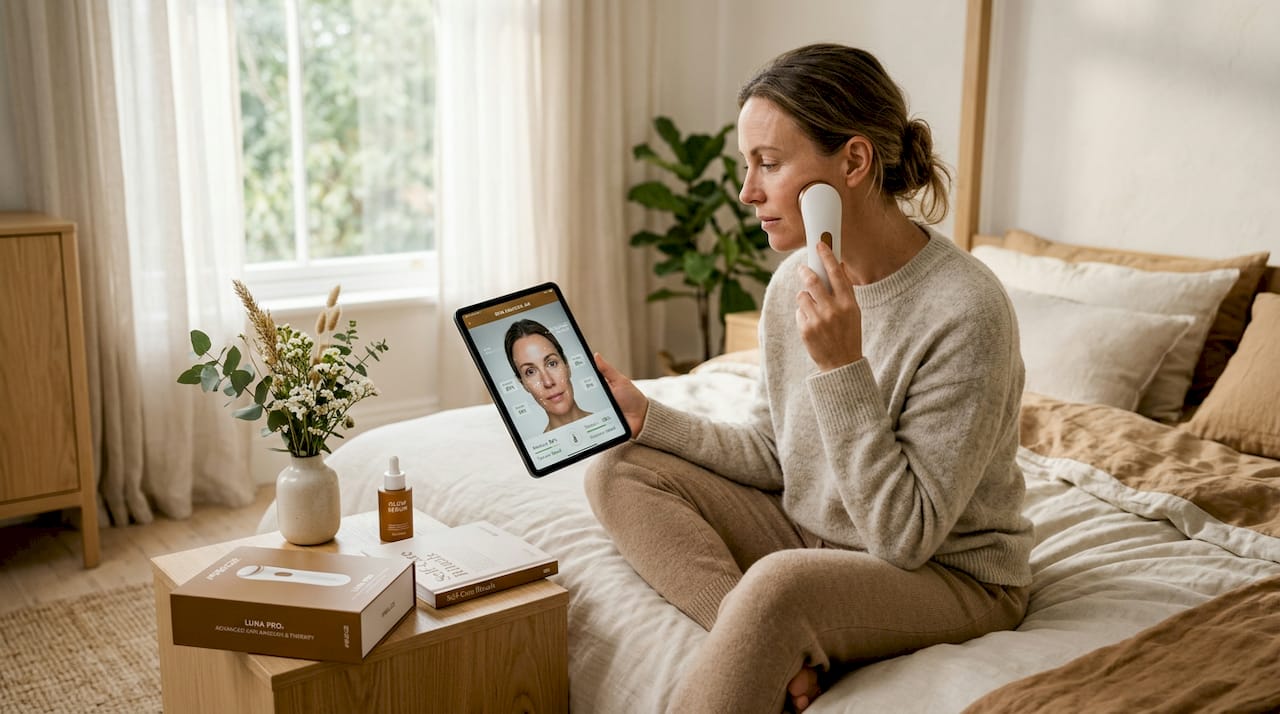
If you’ve been exploring light-based skin treatments, the debate around red light versus infrared therapy has probably left you more confused than when you started. Both therapies use specific wavelengths of light to trigger biological changes in the body, but they are not the same thing, and using the wrong one for your goal simply won’t give you the results you want. The clinical term for both is photobiomodulation (PBM), a process where light energy interacts with cells to produce measurable physiological responses. Understanding the distinction between the two is what separates informed decisions from expensive guesswork.
Table of Contents
- Key takeaways
- How red and infrared therapy actually work
- Penetration depth and what each therapy targets
- Clinical evidence and approved uses
- How to choose and use these therapies effectively
- Fitting light therapy into your everyday routine
- My honest take on red vs infrared therapy
- Explore Glowera’s red and infrared light therapy devices
- FAQ
Key takeaways
| Point | Details |
|---|---|
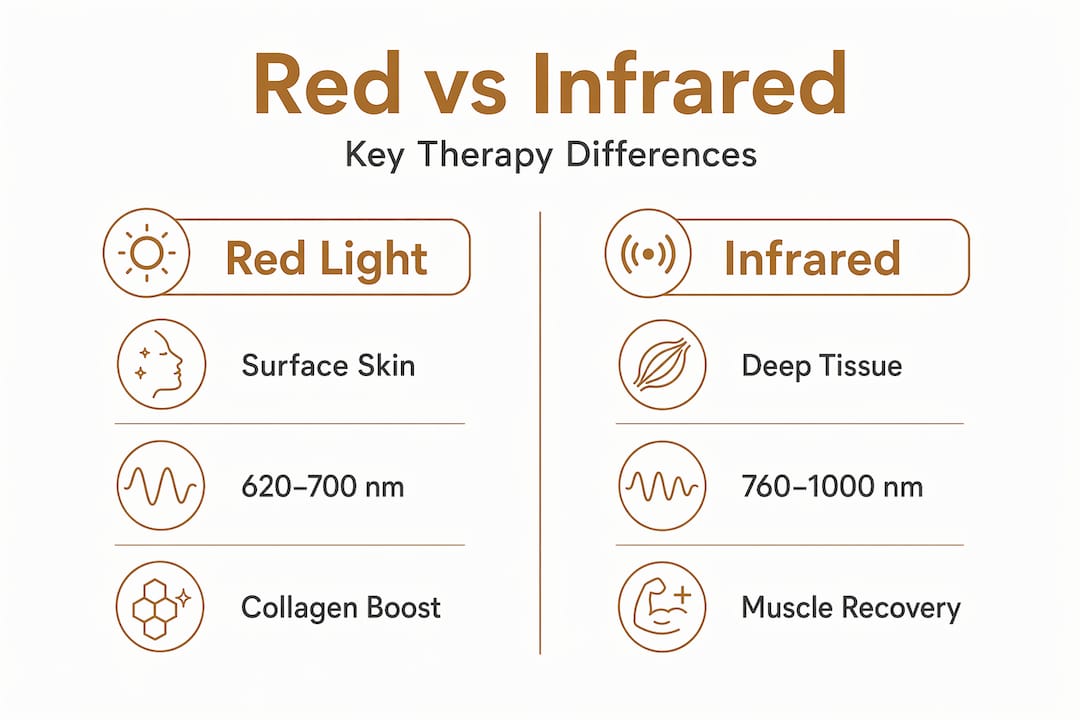
| Different wavelengths, different depths | Red light (620–700 nm) targets skin surface; near-infrared (760–1000 nm) penetrates muscles and joints. |
| Same mechanism, different targets | Both therapies work via photobiomodulation, not heat, triggering cellular energy production. |
| Clinical evidence exists for both | A 2026 expert consensus supports PBM for peripheral neuropathy, androgenic alopecia, wound healing, and radiation dermatitis. |
| Dose matters as much as wavelength | Too much irradiation inhibits cellular activity rather than stimulating it, so follow evidence-based protocols. |
| Combined devices offer layered benefits | Devices using both red and near-infrared wavelengths address surface skin and deeper tissue simultaneously. |
How red and infrared therapy actually work
Most people assume these therapies work by warming the skin. They don’t. Both red light therapy and near-infrared therapy operate through a non-thermal biological mechanism that targets your cells directly. The formal name is photobiomodulation, and it refers to specific wavelengths of light being absorbed by photoreceptors in your body’s cells.
The key target is cytochrome c oxidase, an enzyme found in the mitochondria of virtually every cell in your body. When the right wavelengths hit this enzyme, it shifts between oxidised and reduced states, which in turn increases mitochondrial energy production in the form of ATP. More ATP means cells can repair, regenerate, and function more efficiently.
Here is what makes wavelength selection genuinely important:
- Red light sits in the visible spectrum at 620–700 nanometres. You can see it as a deep red glow.
- Near-infrared light sits just beyond what the eye can detect, at 760–1000 nanometres. It produces no visible glow but penetrates substantially deeper into tissue.
- Far-infrared, used in saunas, is an entirely different technology. It works by generating heat rather than by photobiomodulation, which makes it functionally distinct from both red and near-infrared PBM therapy.
One important clarification that often gets lost in marketing materials: LED devices and laser devices produce the same PBM effects provided wavelengths and irradiance levels are matched. Laser properties like coherence are not required for clinical benefit, which is why well-engineered LED panels and masks are perfectly capable of delivering meaningful results at home.
Pro Tip: When evaluating any device, check the stated wavelength output rather than the marketing description. A device labelled “infrared” that operates at far-infrared wavelengths is a heat device, not a PBM therapy device.
Penetration depth and what each therapy targets
This is where the practical distinction becomes clear. Red light targets the skin’s surface and the tissue immediately beneath it, making it the go-to option for skin-focused concerns. Near-infrared light penetrates through to muscle, bone, and joint tissue, which is why it is favoured for musculoskeletal recovery and deeper pain management.
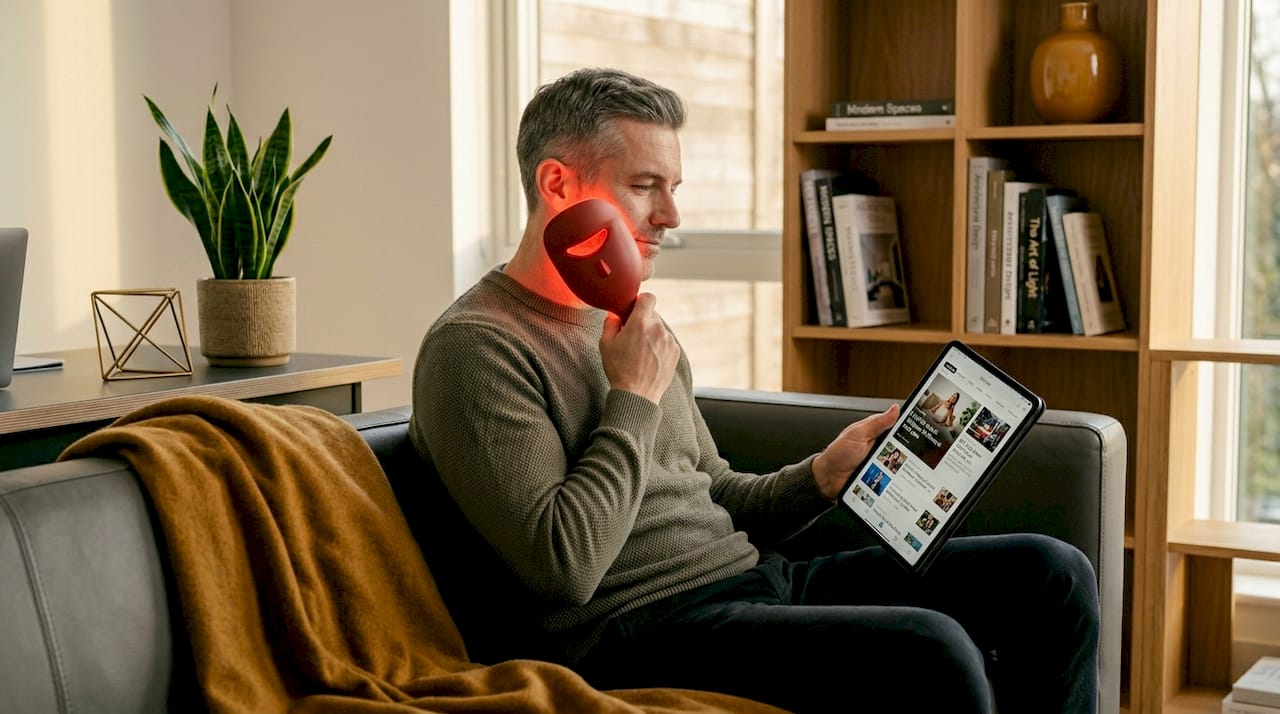
What each wavelength range addresses
| Feature | Red light (620–700 nm) | Near-infrared (760–1000 nm) |
|---|---|---|
| Penetration depth | Epidermis and dermis (2–5 mm) | Muscle, joint, and bone tissue (up to 50 mm) |
| Primary use | Skin rejuvenation, collagen production, wound healing | Muscle recovery, joint pain, peripheral neuropathy |
| Visibility | Visible red glow | Invisible to the eye |
| Hair growth evidence | Androgenic alopecia | Scalp tissue stimulation |
| Typical device format | LED masks, panels, wands | Full-body panels, targeted pads |
| Heat produced | Minimal | Minimal (distinct from far-infrared sauna) |
Understanding this depth distinction shapes everything about which therapy you should pursue. If your primary concern is collagen production, skin texture, or surface-level wound healing, red light is the right tool. If you are targeting muscle soreness after training, joint discomfort, or deeper tissue inflammation, near-infrared light is the more appropriate choice.
A few precautions worth knowing before you begin:
- Avoid light therapy if you have active or past skin cancer, active skin infections, or burns in the treatment area.
- Those with autoimmune disorders or eye conditions should seek medical advice before starting.
- Pregnancy is generally listed as a contraindication due to limited research on foetal effects.
- Always use appropriate eye protection, particularly with near-infrared devices, as the light is invisible and easy to underestimate.
Pro Tip: If you are unsure about penetration depth for your specific concern, check Glowera’s guide on wavelength selection for skin before choosing a device.
Clinical evidence and approved uses
The evidence base for photobiomodulation has strengthened considerably. A 2026 consensus of 21 clinical experts confirmed that PBM is safe and effective for adult patients across several specific indications. These include peripheral neuropathy, androgenic alopecia (pattern hair loss), chronic wound and ulcer healing, and radiation-induced dermatitis in cancer patients.
On the regulatory front, the FDA has authorised a red-light device for dry age-related macular degeneration, which represents a meaningful endorsement of the technology beyond wellness marketing. Additional clinical evidence supports its use in peripheral neuropathy and ulcer management.
The practical takeaway here is that FDA authorisations and expert consensus legitimise specific applications of red and near-infrared PBM. They do not validate every device or every claimed benefit. The gap between what clinical evidence actually supports and what marketing copy suggests can be enormous. Stick to the evidence-supported indications.
For at-home users, it is worth noting that consumer devices are generally less powerful than clinical machines. This is not a dealbreaker. It means treatment protocols may require longer or more frequent sessions to achieve comparable results. Consistency matters more than intensity when you are working with home devices.
For deeper context on how LED therapy supports anti-ageing at home, it is worth reviewing the research behind specific cosmetic indications separately, as the evidence for collagen stimulation and photodamage repair is particularly well-developed.
How to choose and use these therapies effectively
Choosing between red and near-infrared therapy does not have to be complicated once you align your decision with your actual goal. Here is a practical decision framework:
- Define the tissue depth you need to reach. Skin-surface goals (fine lines, uneven tone, superficial wound healing) point toward red light. Deeper concerns (muscle recovery, joint stiffness, deeper pain) point toward near-infrared.
- Choose devices with verified wavelength specifications. Credible manufacturers state exact wavelength outputs in nanometres. If a device only describes itself as “red” without specifying the nm range, treat that as a red flag.
- Follow evidence-based session durations. Most clinical protocols use 10 to 20 minutes per target area, several times per week. Longer is not better. Research shows that an excessive irradiation dose can actually inhibit cellular activity rather than stimulate it.
- Protect your eyes every single time. This applies to both visible red light and invisible near-infrared. Dedicated goggles or the eye shields supplied with your device are non-negotiable.
- Consider a combination device if your goals span both layers. Combination devices using both wavelengths offer layered benefits, addressing surface skin with red light while near-infrared works on deeper tissue simultaneously. For many users, this delivers the best return on investment.
Pro Tip: Do not chase the highest wattage. A device operating at the correct wavelength with the correct dose will outperform a high-powered device used incorrectly every time.
Fitting light therapy into your everyday routine
The most effective at-home users treat PBM therapy the way they treat exercise: consistent, structured, and part of a broader wellness approach rather than a one-off intervention.
For skin rejuvenation, a good approach is to use an LED mask or panel three to five times per week after cleansing, before applying serums. Red light stimulates collagen and supports cell turnover, which works synergistically with active ingredients applied immediately after.
For muscle recovery and joint support, near-infrared therapy is most effective when applied to the affected area within a few hours of activity or at the end of the day as part of a wind-down routine. Some users find it useful before sleep for its reported effect on tissue repair during rest.
A contextual point worth keeping in mind: modern indoor lifestyles mean people receive significantly less red and near-infrared light than earlier generations did. Natural sunlight contains both wavelengths in abundance. Supplementing with targeted therapy at home is not a trend chasing novelty. It is filling a genuine biological gap created by the way most people now live and work.
For a broader overview of how at-home facial devices integrate into a full skincare routine, the practical guidance there complements everything covered here.
My honest take on red vs infrared therapy
I’ve spent years watching people overcomplicate a decision that, at its core, comes down to one question: what tissue are you trying to treat? The frustrating reality is that most people buying light therapy devices have never asked themselves that question because the marketing industry doesn’t want them to. Broad claims sell products. Nuanced wavelength guidance does not.
What I’ve learned is that the research is genuinely solid for specific indications, and genuinely weak for others. The 2026 clinical consensus matters precisely because it separates the evidence-supported uses from the aspirational ones. I’d encourage anyone evaluating a device to look for that same rigour in the claims being made.
Clinical decision-making for PBM should be grounded in matching wavelength and dose to evidence, not in marketing language. The good news is that for skin rejuvenation, hair retention, and certain pain conditions, the evidence is meaningful enough to act on with confidence.
My honest view is that combination devices with both red and near-infrared wavelengths are the smarter long-term investment for most people. They cover more physiological ground without requiring you to choose one therapy over the other. And the future of light-based therapy will almost certainly move further in that direction as protocols become more personalised and dose optimisation improves.
— Adam
Explore Glowera’s red and infrared light therapy devices
If you are ready to move from understanding to action, Glowera’s curated range of LED light therapy devices covers both red and near-infrared wavelengths from clinically respected international brands. Every device in the range is selected for verified wavelength output and evidence-backed design, not just visual appeal. Whether you are focused on skin rejuvenation, hair wellness, or deeper tissue recovery, you will find a device built to a standard that matches what the research actually supports. Glowera also offers expert support and Saudi Arabia delivery, so you get both the technology and the guidance to use it correctly from day one.
FAQ
What is the difference between red light and infrared therapy?
Red light therapy uses visible wavelengths of 620–700 nm to target surface skin tissue, while near-infrared therapy uses 760–1000 nm wavelengths to penetrate deeper into muscle and joint tissue. Both work through photobiomodulation, not heat.
Which is better for skin, red light or near-infrared?
Red light is more suited to skin-focused goals such as collagen stimulation, fine line reduction, and wound healing, as it targets the epidermis and dermis. Near-infrared is better suited to deeper tissue repair.
Is red light therapy clinically proven?
A 2026 expert consensus confirmed PBM is safe and effective for several adult indications including peripheral neuropathy, androgenic alopecia, and radiation dermatitis. The FDA has also authorised a red-light device for dry age-related macular degeneration.
Can I use red and infrared therapy together?
Yes. Combination devices that deliver both red and near-infrared wavelengths simultaneously offer layered benefits, treating the skin surface and deeper tissue in a single session, making them a practical choice for most users.
How often should I use light therapy at home?
Most evidence-supported protocols recommend sessions of 10 to 20 minutes per target area, three to five times per week. Following manufacturer guidelines on time and intensity is important, as too high a dose can reduce rather than enhance cellular response.