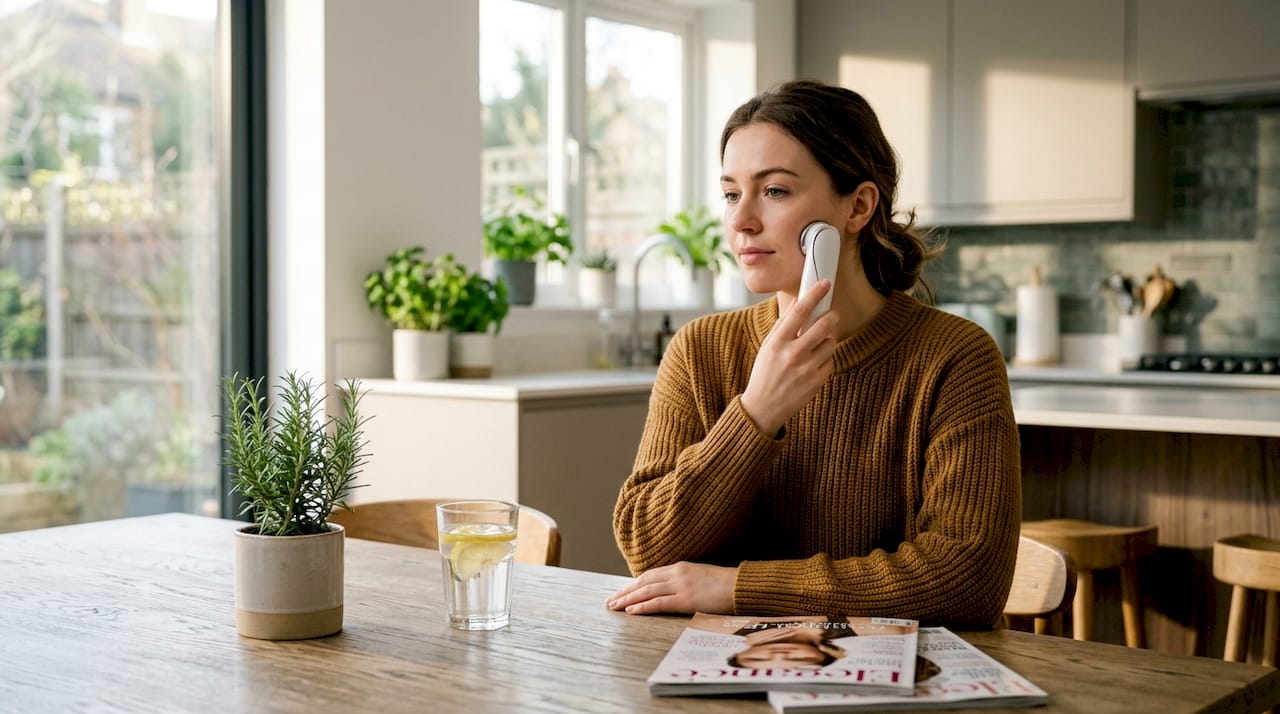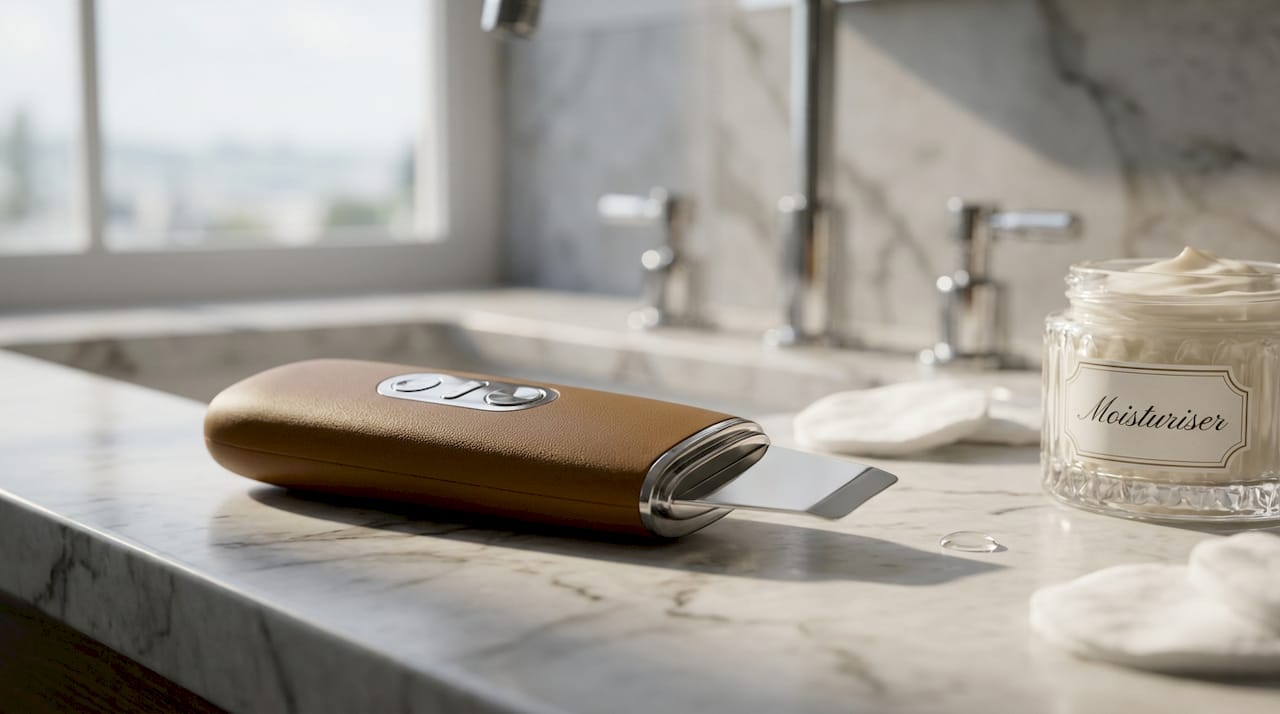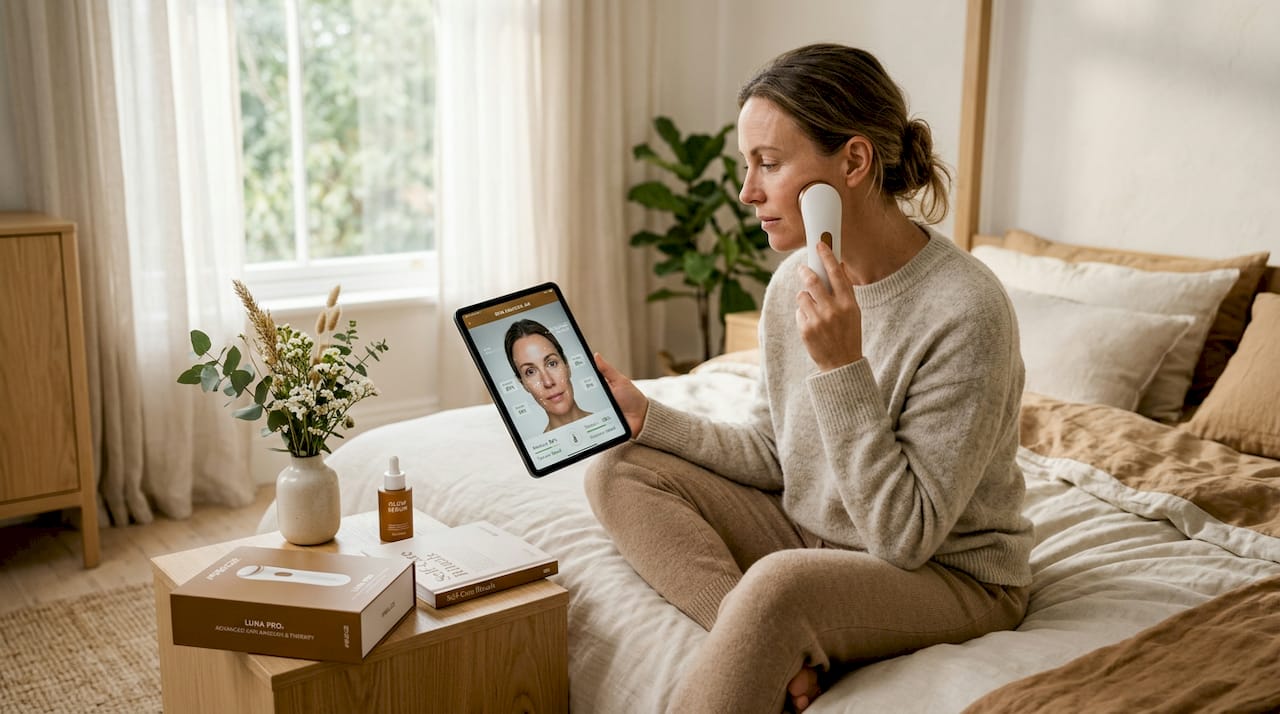
The beauty device market in Saudi Arabia has exploded over the past few years, and the options now available are genuinely impressive. LED panels, radiofrequency tools, EMS devices, and microcurrent wands all promise professional-grade results from the comfort of your home. But standing in front of so many choices, each backed by its own set of claims and clinical-sounding terminology, can feel overwhelming. This guide cuts through the noise, compares the core technologies side by side, and gives you a clear, practical framework for choosing the device that actually fits your skin goals.
Table of Contents
- Understanding beauty device technology types
- Comparing device effectiveness and safety
- Step-by-step guide to choosing the right device for your needs
- Common mistakes and how to avoid them
- Expert perspective: Why combination devices matter and what few realise
- Discover top beauty devices for at-home skincare in Saudi Arabia
- Frequently asked questions
Key Takeaways
| Point | Details |
|---|---|
| Technology types overview | LED, RF, EMS, and microcurrent devices each offer distinct benefits and are widely available in Saudi Arabia. |
| Effectiveness and safety | Powerful results require both the right technology and proper safety practices, with in-clinic devices outperforming home-use models. |
| Choosing the best device | Match your skin goals with technology type, check local availability, and review safety certifications before purchasing. |
| Avoiding mistakes | Do not overestimate device power or expect instant results; follow recommended routines for lasting improvements. |
| Platforms for trusted devices | Authorised platforms in Saudi Arabia provide advanced devices and assurance of authenticity and warranty. |
Understanding beauty device technology types
Modern at-home skincare devices fall into a handful of distinct technology categories. Each works through a different biological mechanism, targets different skin concerns, and delivers results on its own timeline. Understanding these differences is the foundation of any smart purchase decision.
LED (Light Emitting Diode) devices emit specific wavelengths of light that penetrate the skin at varying depths. Red light (around 630 to 660 nm) stimulates collagen production and reduces inflammation, making it ideal for anti-ageing and skin rejuvenation. Blue light (around 415 nm) targets acne-causing bacteria. Near-infrared light penetrates deepest and supports tissue repair. You can explore the full range of LED therapy devices to see how different wavelengths address different concerns.
RF (Radio Frequency) devices deliver thermal energy deep into the dermis, the layer of skin below the surface. This heat stimulates fibroblasts, the cells responsible for producing collagen and elastin. The result is gradual skin tightening and improved firmness over several weeks of consistent use.
EMS (Electrical Muscle Stimulation) uses low-level electrical impulses to contract facial muscles directly. Think of it as a passive workout for the muscles beneath your skin. It is particularly effective for improving facial contour, reducing puffiness, and restoring muscle tone that diminishes with age.
Microcurrent technology delivers extremely low-level electrical currents that mirror the body’s own bioelectrical signals. These currents re-educate facial muscles and stimulate ATP (adenosine triphosphate) production, which fuels cellular repair and collagen synthesis. The lifting effect is often visible immediately after a session, though long-term results build over consistent use.
Combination devices integrate two or more of these technologies into a single tool. The Foreo UFO2, for example, combines LED therapy with thermotherapy, and the FAQ102 pairs RF, EMS, and LED in one device, both available for at-home use in Saudi Arabia.
Here is a quick comparison of the primary technologies:
| Technology | Primary mechanism | Best for | Typical treatment time |
|---|---|---|---|
| LED | Light wavelengths | Rejuvenation, acne | 10 to 20 minutes |
| RF | Thermal energy | Skin tightening, firmness | 5 to 15 minutes |
| EMS | Electrical impulses | Muscle toning, contouring | 5 to 10 minutes |
| Microcurrent | Bioelectrical currents | Lifting, anti-ageing | 5 to 20 minutes |
| Combination | Multiple mechanisms | Broad spectrum results | 10 to 30 minutes |
Key benefits at a glance:
- LED requires no skin contact gel and suits most skin types, including sensitive skin
- RF delivers the most noticeable tightening effect among single-technology at-home devices
- EMS is the only technology that directly targets and tones facial muscles
- Microcurrent produces the most immediate visible lifting, even after a single session
- Combination devices reduce the number of separate tools you need to purchase
Comparing device effectiveness and safety
With the basic technologies defined, it is essential to see how these devices actually perform and what safety elements you must consider before committing to a purchase.
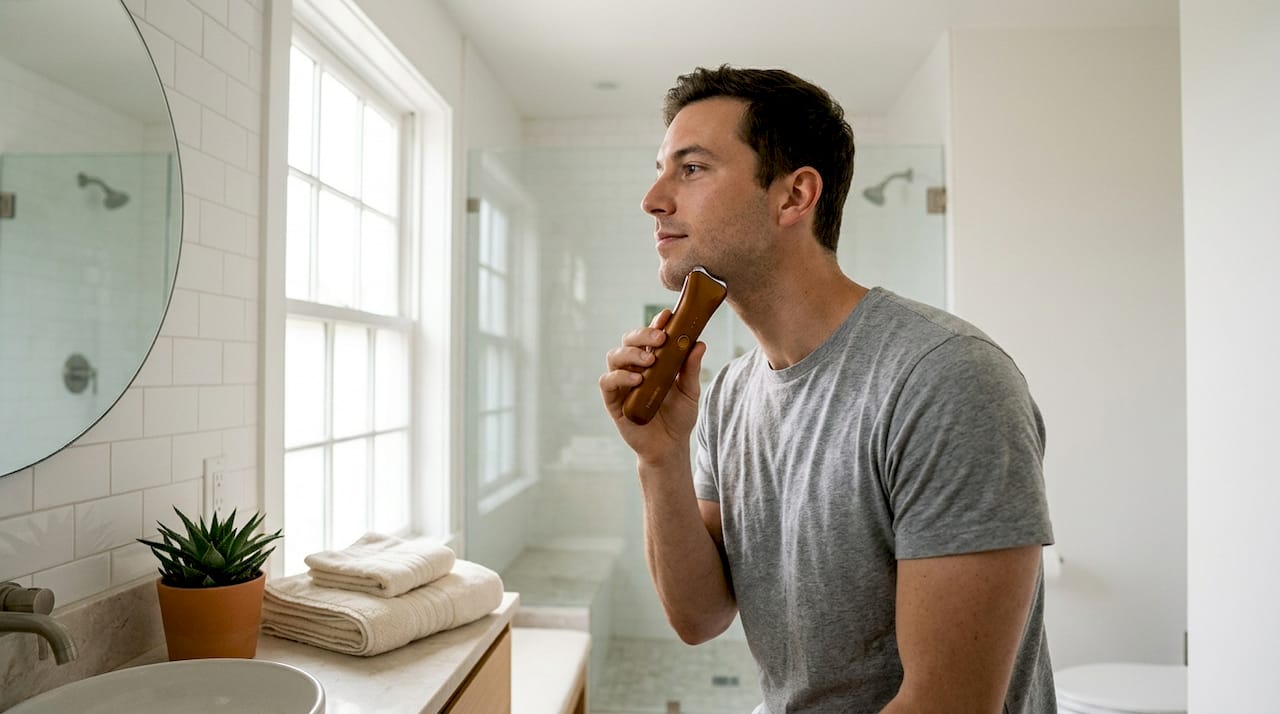
Effectiveness varies significantly depending on your specific skin concern. Testing across RF, microcurrent, and LED technologies reveals that some sources favour RF as the clear winner for skin tightening, while others note that EMS is superior for muscle-related concerns. Clinical combination treatments consistently outperform single-technology approaches, but at-home devices operate at significantly lower power levels than professional clinic equipment.
This power difference is important to understand. A professional RF treatment at a clinic might deliver energy levels ten to twenty times higher than a home device. The trade-off is safety: at-home devices are deliberately calibrated to be safe for unsupervised use, which means results are more gradual and subtle.
Here is how the technologies compare across key performance metrics:
| Technology | Collagen stimulation | Muscle toning | Acne reduction | Immediate visible lift |
|---|---|---|---|---|
| LED | High | None | High (blue) | Low |
| RF | High | Low | Low | Low |
| EMS | Low | High | None | Medium |
| Microcurrent | Medium | High | None | High |
| Combination | High | High | Medium | High |
Safety considerations by technology type:
- LED: Generally the safest option for all skin types. Avoid direct eye exposure and use devices with appropriate eye protection. Those with photosensitivity conditions should consult a dermatologist first.
- RF: Not recommended for people with metal implants, pacemakers, or active skin conditions such as rosacea flares. Pregnant women should avoid RF devices entirely.
- EMS: Avoid if you have epilepsy, a pacemaker, or any implanted electronic device. Do not use over broken or irritated skin.
- Microcurrent: Similar contraindications to EMS. Not suitable during pregnancy or for those with epilepsy.
- Combination devices: Review the contraindications for each technology included in the device before use.
“The most effective at-home routine is the one you actually maintain consistently. A single-technology device used daily will outperform a combination device used sporadically.”
Pro Tip: If you are new to beauty devices, start with LED. It has the broadest safety profile, requires no conductive gel, and delivers measurable results for both anti-ageing and skin clarity. The CurrentBody LED face mask is an excellent starting point with clinically backed wavelengths.
Step-by-step guide to choosing the right device for your needs
Having understood the comparative strengths and safety considerations, here is a practical framework to select the device that suits you best.
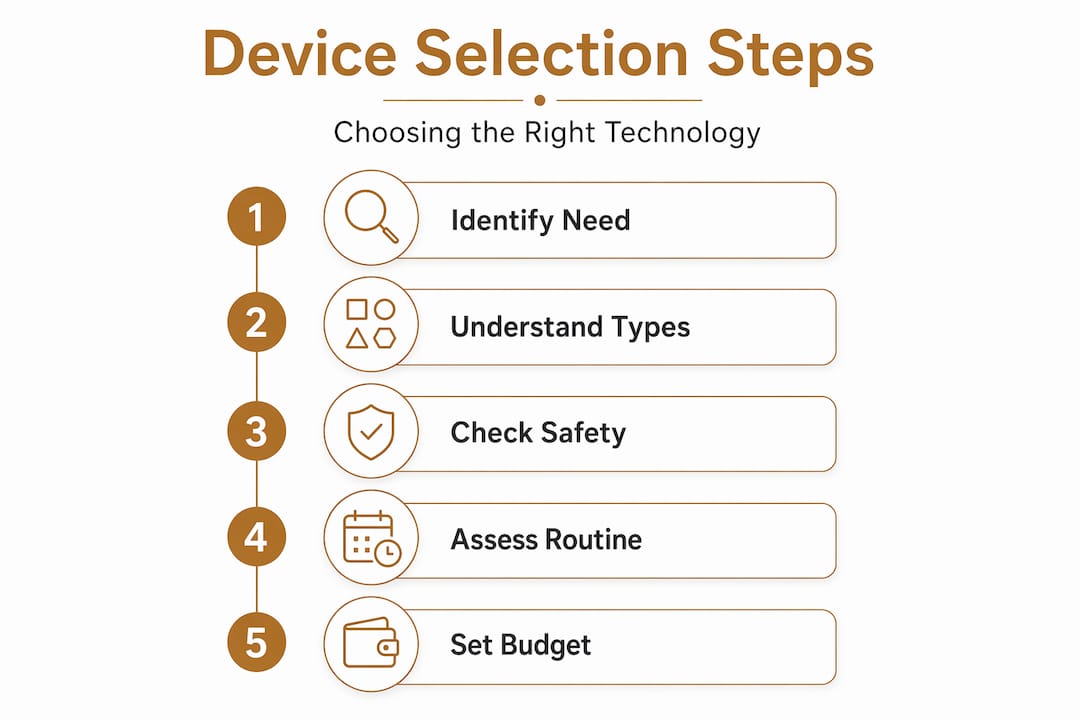
Step 1: Define your primary skin goal clearly. Before looking at any device, write down your top one or two concerns. Is it sagging skin along the jawline? Active breakouts? Fine lines around the eyes? Dull, uneven skin tone? Each concern maps to a different technology, and being specific prevents you from buying a device that does not address your actual priority.
Step 2: Match your goal to the right technology. Use this mapping as your guide:
- Lifting and firming the jawline or cheeks: microcurrent or RF
- Toning and contouring facial muscles: EMS
- Reducing fine lines and stimulating collagen: LED (red/near-infrared) or RF
- Clearing acne and reducing breakouts: LED (blue light)
- Addressing multiple concerns simultaneously: combination device
Step 3: Assess your lifestyle and commitment level. RF and microcurrent devices typically require a conductive gel and a specific technique, adding a few minutes to your routine. LED masks are largely hands-free. EMS devices require you to move the tool across your face in a specific pattern. If your skincare routine is already time-pressed, a hands-free LED mask may be more realistic than a microcurrent wand that demands your full attention.
Step 4: Verify availability and authenticity in Saudi Arabia. This matters more than many buyers realise. Devices purchased through unverified channels may lack proper safety certifications or warranty support. Platforms offering verified devices in Saudi Arabia, such as those stocking the Foreo UFO2 and similar combination tools, provide assurance of authenticity and local support.
Step 5: Set a realistic budget and review the total cost of ownership. Some devices require consumable accessories, replacement parts, or specific gels. Factor these into your budget. A device that costs less upfront but requires expensive replacement heads every two months may cost more over a year than a premium device with no consumables.
Step 6: Read verified reviews and check safety certifications. Look for CE, FDA clearance, or equivalent certifications. Check the LED mask selection guide for a practical breakdown of what to look for in certifications and reviews. For larger panel treatments, the CurrentBody LED therapy panel is a strong example of a well-certified, clinically tested option.
Pro Tip: Shortlist two or three devices, then compare their clinical study references directly. Reputable brands publish the studies behind their wavelengths or energy levels. If a brand cannot point to any peer-reviewed evidence, treat that as a warning sign.
Common mistakes and how to avoid them
Even with a solid decision-making process, many buyers run into these pitfalls. Here is how to stay clear of them.
Overestimating at-home device power. This is the single most common source of disappointment. At-home power levels are significantly lower than professional clinic treatments, and results are gradual rather than dramatic. If you are expecting the same outcome as a clinic session after one week at home, you will be disappointed. Set a realistic timeline of six to twelve weeks of consistent use before evaluating results.
Ignoring skin type compatibility. Not every device suits every skin type. Darker skin tones require specific wavelength ranges for LED to avoid hyperpigmentation risk. RF at high intensities can aggravate active rosacea. Always check the manufacturer’s guidance on skin tone and condition compatibility before purchasing.
Skipping safety certifications. A device without recognised safety certification is a risk not worth taking. Look for CE marking, FDA clearance, or SFDA (Saudi Food and Drug Authority) approval where applicable. Uncertified devices may deliver inconsistent energy levels or lack proper automatic shutoff mechanisms.
Expecting instant results and abandoning the routine too soon. Collagen remodelling from RF or LED takes a minimum of four to six weeks to become visible. Microcurrent results are more immediate but still require ongoing maintenance to sustain. Most people who report that “devices don’t work” stopped using them before the biological processes had time to produce visible change.
- Never use a device over active wounds, sunburned skin, or open blemishes
- Avoid combining multiple high-intensity technologies in a single session without guidance
- Do not skip the patch test when trying a new device for the first time
- Store devices according to manufacturer instructions to preserve electrode and light source integrity
Pro Tip: Track your skin with monthly photographs taken in consistent lighting. Progress from at-home devices is gradual, and without photographic comparison, it is easy to underestimate genuine improvement. The CurrentBody LED lip mask is a good example of a targeted device where before-and-after photography makes subtle improvements clearly visible over time.
Expert perspective: Why combination devices matter and what few realise
Now let us step back and look at what most users, and even many experts, fail to recognise when comparing device types.
The conversation around combination devices tends to focus on the obvious: more technologies in one device means more benefits. That is true, but it misses the more important point. The real advantage of combination devices is not power, it is protocol. When RF and LED are delivered in the correct sequence within a single session, the thermal priming from RF enhances the cellular uptake of LED wavelengths. This synergy is not available when you use two separate devices independently, because timing and sequencing matter enormously.
However, this does not mean combination devices are always the right answer. Clinical combination treatments consistently outperform single-technology approaches in controlled settings, but those settings involve professional-grade power levels. At home, the energy outputs are lower across the board. A well-designed single-technology device used consistently may deliver better results than a combination device used inconsistently, simply because compliance is easier when a routine is simpler.
What most buyers also underestimate is the role of maintenance. At-home beauty devices are not a course of treatment with a defined end point. They are ongoing tools. The skin improvements from microcurrent, RF, and LED are real but they are not permanent. Stop using the device and the benefits gradually reverse. This is not a flaw; it is simply how skin biology works. The brands that are honest about this tend to be the ones worth trusting.
The advanced LED technology available today is genuinely impressive for at-home use, but it works best when you approach it as a daily or near-daily habit rather than a periodic treatment. Consistency, realistic expectations, and a clear understanding of what each technology can and cannot do are the real differentiators between users who see results and those who do not.
Discover top beauty devices for at-home skincare in Saudi Arabia
For those ready to put this comparison to use, here is where you can find trusted at-home devices.
At Glowera, we curate only authenticated, certified beauty tech devices from internationally recognised brands, with delivery across Saudi Arabia and dedicated expert support. Whether you are starting with a targeted LED therapy solution or ready to invest in a multi-technology tool like the Medicube Age-R Booster Pro, which combines microcurrent and RF in a single device, our platform gives you the confidence of genuine products backed by real clinical evidence. Every device in our collection is selected for its safety certification, proven results, and suitability for the Saudi Arabian climate and skin diversity.
Frequently asked questions
Are combination beauty devices more effective than single-technology devices?
Combination devices offer broader results by addressing multiple skin concerns simultaneously, but clinical combos versus monotherapies still show that at-home power levels limit overall outcomes compared to professional treatments. A single-technology device used consistently can outperform a combination device used irregularly.
Can I find advanced beauty tech devices in Saudi Arabia?
Yes, platforms stocking devices such as the Foreo UFO2 and FAQ102 confirm that advanced LED, RF, and EMS combination tools are readily accessible for at-home use in Saudi Arabia. Specialist platforms like Glowera also offer authenticated devices with local delivery.
What should I look for to ensure a device is safe for at-home use?
Check for CE marking, FDA clearance, or SFDA approval, and confirm the device is specifically designed for unsupervised home use rather than adapted from a professional setting. Always verify compatibility with your skin type and any existing skin conditions before purchasing.
How quickly will I see results from beauty devices?
At-home device results are gradual, typically becoming visible after four to twelve weeks of consistent use depending on the technology and your skin concern. Expecting immediate dramatic change is the most common reason users abandon effective devices prematurely.