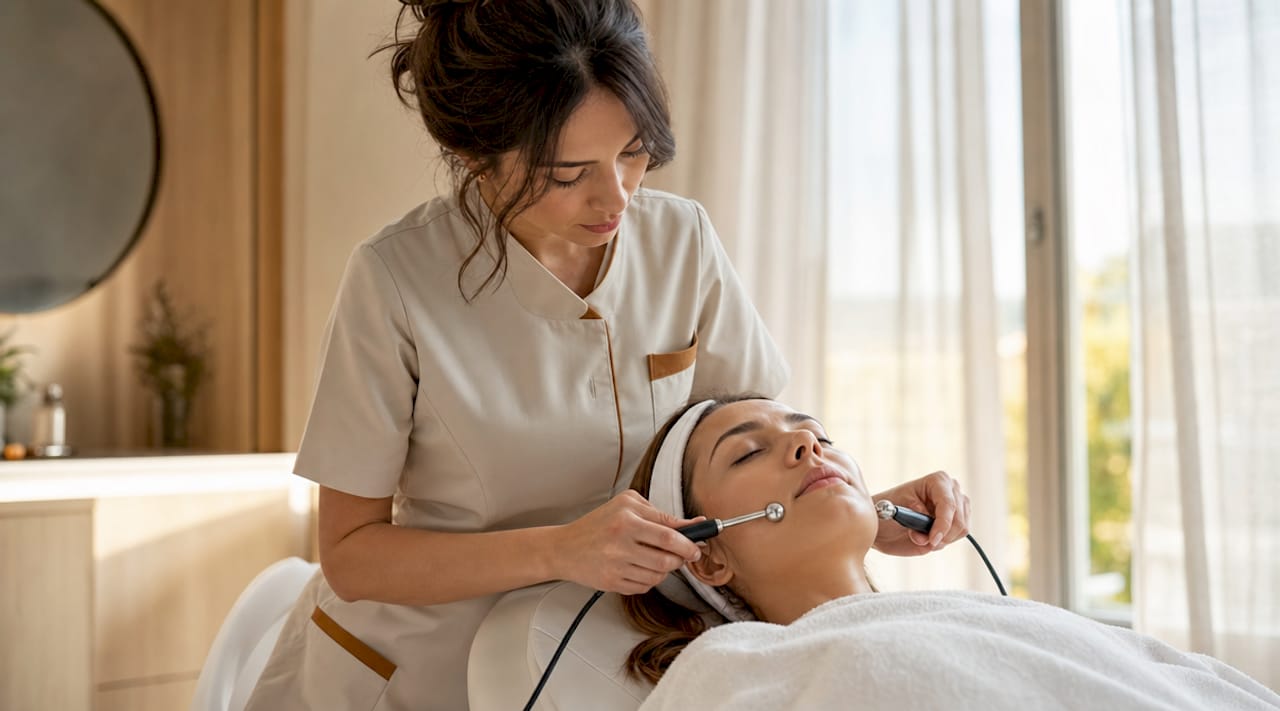
Microcurrent therapy is defined as the application of low-level electrical currents, typically between 10 and 600 microamperes, that mimic the body’s natural bioelectric signals to stimulate cellular repair and skin rejuvenation. To understand microcurrent frequency skin science, you need to grasp one foundational idea: the body already runs on electricity, and these devices simply speak the same language. Research dating back to 1982 by Ngok Cheng demonstrated that electrical stimulation at the right intensity can increase cellular ATP production by up to 500%, fuelling the protein synthesis that keeps skin firm and youthful. Devices like NuFACE and FOREO have brought this laboratory science into everyday skincare routines, making professional-grade skin frequency technology accessible at home.
What is microcurrent frequency and how does it affect skin cells?
Microcurrent frequency refers to two distinct but related parameters in any device: the amplitude of the current (measured in microamperes) and the oscillation rate of that current (measured in hertz). Both settings determine which cellular processes are activated and to what degree. Understanding how these variables interact is the foundation of microcurrent treatment science.
At the cellular level, the mechanism centres on ATP, adenosine triphosphate, which is the energy currency every living cell uses to carry out repairs. Currents in the 100 to 500 microamp range produce the most significant ATP increases, with production rising by up to 500% under optimal conditions. That surge in cellular energy directly accelerates fibroblast activity, the production of collagen and elastin, and the clearance of metabolic waste from skin tissue.

Frequency settings add another layer of precision. Lower frequencies tend to target superficial muscle fibres and improve circulation near the skin surface, while higher frequencies penetrate more deeply to influence fibroblast behaviour and connective tissue remodelling. Microcurrent stimulates fibroblasts via MAPK and TGF-β1 signalling pathways, both of which are directly involved in collagen synthesis and skin repair. This is why devices with adjustable frequency settings offer more targeted results than single-setting tools.
One detail that surprises many people is how gentle the therapy actually feels. Microcurrent uses subsensory currents that produce no muscle contractions, unlike TENS devices, which makes it comfortable enough for daily use on the face. The absence of discomfort is not a sign of weakness. It reflects the precision of the current range, which is calibrated to work with cellular biology rather than overriding it.
Key parameters that define a device’s therapeutic potential include:
- Current amplitude: The therapeutic window sits between 100 and 500 microamperes for maximum ATP benefit.
- Frequency (Hz): Lower settings address surface circulation; higher settings target deeper fibroblast activity.
- Waveform: Biphasic waveforms are generally preferred in professional devices for balanced tissue stimulation.
- Electrode design: Conductive probes or gloves affect how evenly current distributes across facial contours.
Pro Tip: If your device offers adjustable intensity, start at the lower end of the range and increase gradually over two to three weeks. Jumping to maximum output does not accelerate results and may cause temporary skin sensitivity.
How to optimise microcurrent frequency treatments for skin rejuvenation
Effective microcurrent therapy is not about a single session. It follows a structured progression that mirrors how muscles and skin tissue adapt to repeated stimulation.
- Loading phase (weeks one to three): Treat five to six times per week. This phase builds the initial neuromuscular and cellular response. Visible improvements are often delayed until four to eight weeks into consistent treatment, so do not judge results prematurely during this stage.
- Transition phase (weeks four to eight): Reduce to three to four sessions per week as the skin begins to hold results between treatments. Collagen synthesis and fibroblast activity are now running at an elevated baseline.
- Maintenance phase (ongoing): One to two sessions per week sustains the cumulative benefit. Skipping this phase causes regression, with effects diminishing within two to four weeks after stopping treatment.
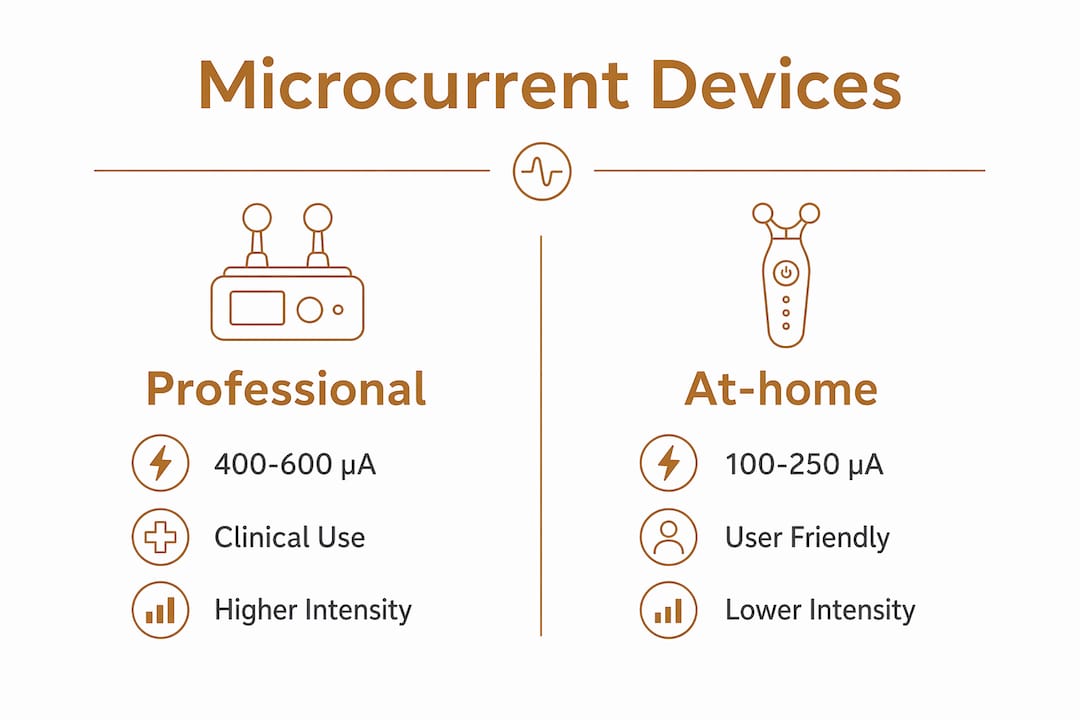
Selecting the right device matters as much as the schedule. Professional devices typically operate at 400 to 600 microamps with adjustable frequencies, while consumer devices generally offer fixed settings between 100 and 400 microamps. For most at-home users, a quality consumer device in the 200 to 400 microamp range delivers meaningful results when used consistently. You can review top device features before committing to a purchase.
| Feature | Professional devices | At-home devices |
|---|---|---|
| Current range | 400 to 600 microamps | 100 to 400 microamps |
| Frequency adjustability | Fully adjustable | Usually fixed |
| Session duration | 30 to 60 minutes | 5 to 20 minutes |
| Operator requirement | Trained therapist | Self-administered |
| Cost per session | High | Low after initial purchase |
Technique is the third variable. Slow, deliberate strokes along muscle groups produce better results than rapid passes. The goal is to re-educate the underlying facial muscles, not simply stimulate the skin surface. Always apply a conductive gel before treatment. Dry skin dramatically reduces current delivery and can cause uneven stimulation.
Pro Tip: Apply your conductive gel generously and keep the skin surface visibly moist throughout the session. A thin or patchy layer creates resistance that reduces the current reaching deeper tissue layers.
What common mistakes affect microcurrent treatments and how to fix them?
The most common error is expecting dramatic results within the first week. Early sessions reflect cellular and neuromuscular adaptation rather than structural change, which means the skin is rebuilding its energy reserves and retraining muscle memory before visible lifting or firming appears. Patience is not optional here. It is part of the biology.
The second most damaging mistake is using excessive current intensity. Intensities above 1,000 microamps do not increase ATP production and may actually inhibit cellular energy. More is not better in microcurrent therapy. The therapeutic window is narrow by design, and exceeding it wastes time at best and causes cellular stress at worst.
Common mistakes and their solutions:
- Skipping conductive gel: Causes uneven current distribution and reduces treatment depth. Always use a purpose-formulated gel.
- Inconsistent scheduling: Breaks the cumulative effect. Treat it like a fitness programme: missed sessions set you back.
- Moving probes too quickly: Reduces muscle re-education. Slow, deliberate strokes along the muscle’s direction of movement are far more effective.
- Neglecting skin preparation: Residue from moisturisers or SPF creates a barrier. Cleanse thoroughly before every session.
- Stopping after visible results: The lifting effect is largely temporary and related to fluid reduction and muscle tone. Without maintenance, regression occurs within weeks.
Device calibration is also worth checking periodically. Consumer devices can lose output consistency over time, particularly if the battery is not fully charged before use. A depleted battery delivers lower current than the device’s rated output, which undermines the entire treatment.
How does microcurrent compare to radiofrequency and microneedling?
Each of these three technologies triggers skin rejuvenation through a completely different mechanism, which means they suit different goals and skin concerns.
| Technology | Mechanism | Primary benefit | Downtime | Suitable for |
|---|---|---|---|---|
| Microcurrent | Bioelectric stimulation | Muscle toning, ATP boost, collagen support | None | Regular maintenance, mild laxity |
| Radiofrequency | Thermal energy | Deep collagen remodelling, skin tightening | Minimal | Moderate laxity, deeper lines |
| Microneedling | Micro-injury and wound healing | Texture, scarring, collagen induction | 24 to 72 hours | Scarring, uneven texture, deeper wrinkles |
Radiofrequency devices heat the dermis to trigger collagen contraction and new collagen formation. The results are often more dramatic than microcurrent for significant skin laxity, but the thermal mechanism means it cannot be used as frequently. Microneedling creates controlled micro-injuries that trigger a wound-healing response, making it particularly effective for skin rejuvenation where texture and scarring are the primary concerns.
Microcurrent’s unique advantage is its frequency of use and zero downtime. You can use a NuFACE device on a Monday morning before work and walk out looking refreshed. That is not possible with radiofrequency or microneedling. Microcurrent also works cumulatively over time in a way that complements rather than competes with those technologies. Many skin professionals use all three in rotation, with microcurrent as the daily or weekly foundation and the other modalities as periodic interventions.
Microcurrent is a safe option across a wide age range, including elderly skin, which is not always true of thermal or invasive treatments. That safety profile makes it the most accessible entry point into skin frequency technology for most people.
What are realistic expectations for microcurrent skin treatments?
Microcurrent delivers real but modest results, and the distinction matters. Procollagen synthesis increases by approximately 14% with consistent treatment, which is meaningful over months but will not replicate the outcome of a surgical procedure. The perceived lifting effect comes primarily from fluid reduction and improved muscle tone rather than permanent tissue repositioning.
Most users notice improved skin tone and a subtle firmness within four to eight weeks of consistent use. Fine lines around the eyes and mouth tend to soften first, followed by improved jawline definition. These changes are cumulative and require ongoing treatment to maintain. Think of it as physiotherapy for your face rather than a one-time fix.
Integrating microcurrent with a well-formulated skincare routine amplifies results. Vitamin C serums support collagen synthesis between sessions, while hyaluronic acid improves skin hydration and conductivity. You can explore how at-home facial devices fit into a broader skincare approach for practical guidance.
Pro Tip: Schedule your microcurrent session before applying serums rather than after. The micro-circulation boost from treatment increases the absorption of active ingredients applied immediately afterwards, making your skincare products work harder.
Key takeaways
Microcurrent therapy produces measurable skin benefits through bioelectric stimulation, but results depend entirely on correct frequency settings, consistent scheduling, and realistic expectations about the therapy’s scope.
| Point | Details |
|---|---|
| Optimal current range | 100 to 500 microamps maximises ATP production; exceeding 1,000 microamps inhibits cellular energy. |
| Frequency settings matter | Lower Hz targets surface circulation; higher Hz drives fibroblast activity and collagen support. |
| Results are cumulative | Visible changes typically appear at four to eight weeks with five to six sessions per week initially. |
| Maintenance is non-negotiable | Effects diminish within two to four weeks after stopping treatment; ongoing sessions preserve results. |
| Microcurrent complements other tech | It works best as a regular foundation alongside periodic radiofrequency or microneedling treatments. |
Why I think most people underestimate what microcurrent actually does
Most people approach microcurrent expecting it to behave like a topical product: apply it, see results, stop when satisfied. That misunderstanding is the single biggest reason people give up before the therapy has had a chance to work. The science is clear that the first few weeks are about cellular adaptation, not cosmetic transformation. The skin is rebuilding its energy infrastructure before it can express visible change.
What I find genuinely compelling about this technology is the ATP mechanism. The idea that you can increase a cell’s energy output by up to 500% through a precisely calibrated electrical signal is not marketing language. It is documented biochemistry. The challenge is that this effect requires the right current window, and most consumer devices sit at the lower end of the therapeutic range, which means consistency matters even more than it would with a professional-grade tool.
The comparison with radiofrequency is where I see the most confusion. People assume that because radiofrequency produces more dramatic results, it is simply a better version of microcurrent. They are not competing technologies. Radiofrequency remodels existing collagen through heat. Microcurrent supports the ongoing production of new collagen through cellular energy. Used together intelligently, they address different layers of the ageing process. Viewing microcurrent as part of a complete skincare approach rather than a standalone fix is the perspective shift that separates users who see lasting results from those who do not.
— Adam
Explore microcurrent devices at Glowera
If you are ready to put the science into practice, Glowera carries a curated range of professional-grade microcurrent facial devices from brands including NuFACE, FOREO, and Medicube, all available with delivery across Saudi Arabia.

The Medicube Booster Pro Heart Edition is one of the most talked-about devices in Glowera’s collection, combining microcurrent stimulation with advanced K-beauty technology for at-home facial toning. For those exploring the full range of FOREO facial devices or broader K-beauty tech tools, Glowera’s platform offers expert guidance alongside authentic products. Every device is backed by verified specifications so you know exactly what current range and frequency settings you are investing in.
FAQ
What does microcurrent frequency mean in skincare devices?
Microcurrent frequency refers to the oscillation rate of the electrical current delivered by a device, measured in hertz. It determines which cell types and tissue depths are targeted during treatment, with lower frequencies addressing surface circulation and higher frequencies stimulating deeper fibroblast activity.
How long does it take to see results from microcurrent therapy?
Visible improvements typically appear between four and eight weeks of consistent use, with treatments five to six times per week during the initial loading phase. Early sessions drive cellular adaptation rather than visible change, so patience through the first month is critical.
Is microcurrent therapy safe for daily use?
Microcurrent therapy uses subsensory currents that produce no muscle contractions and carry minimal side effects, making it suitable for regular use across a wide range of ages. The key safety rule is staying within the 100 to 500 microamp therapeutic window and avoiding intensities above 1,000 microamps.
How does microcurrent differ from radiofrequency for skin tightening?
Microcurrent works through bioelectric stimulation to boost ATP and support collagen production, while radiofrequency uses thermal energy to remodel existing collagen in the deeper dermis. Microcurrent requires no downtime and suits frequent use; radiofrequency delivers more dramatic results for significant laxity but cannot be used as often.
Do microcurrent results last permanently?
Microcurrent results are not permanent. The lifting and firming effects diminish within 48 to 72 hours after a single session and regress within two to four weeks after stopping a treatment course entirely. Ongoing maintenance sessions are required to sustain the cumulative benefits.