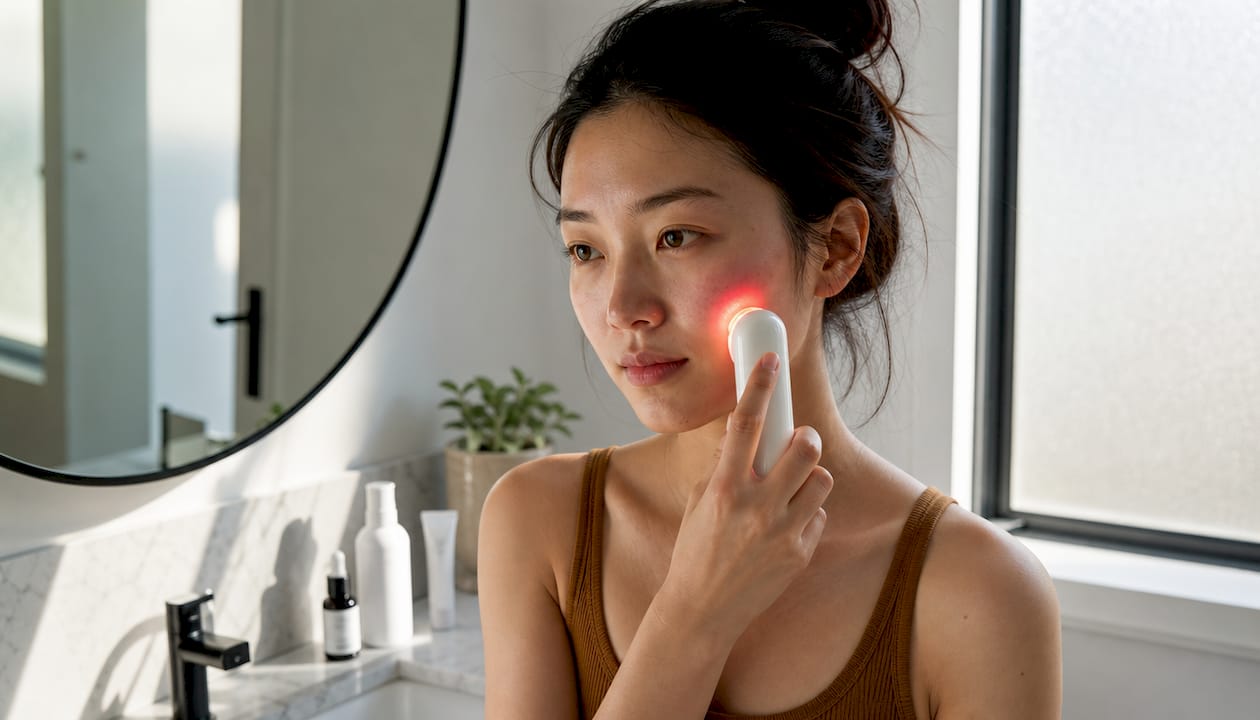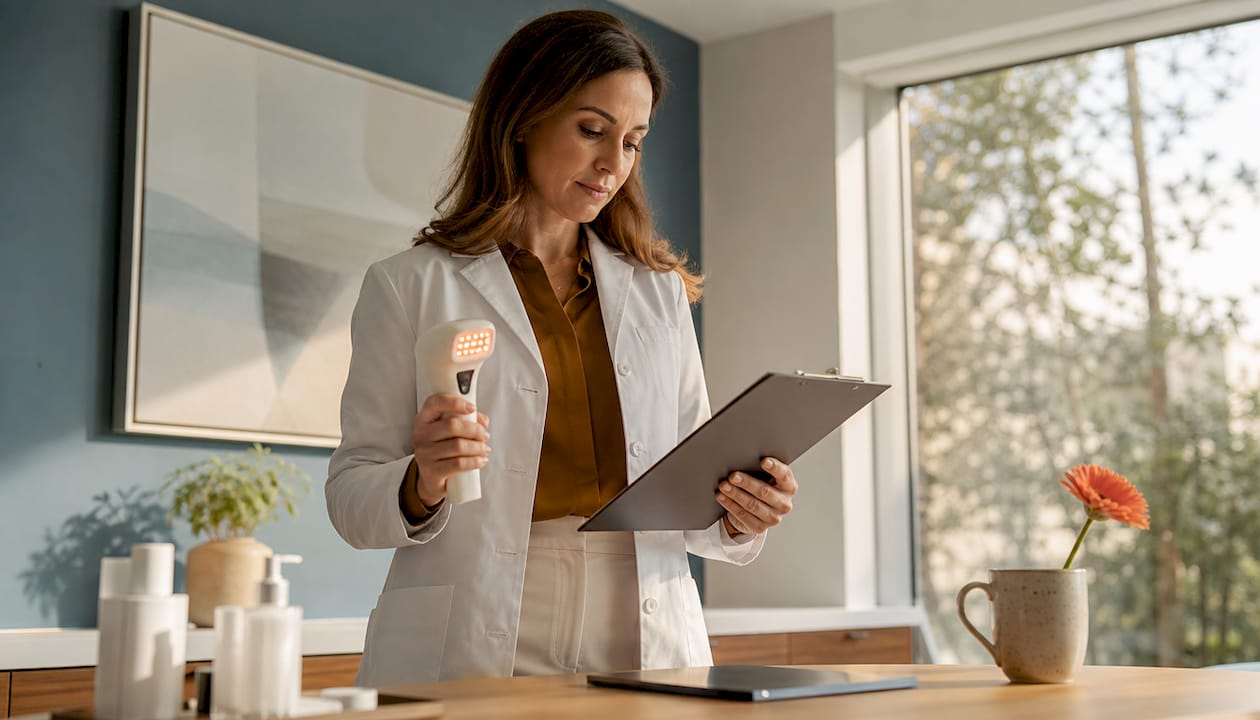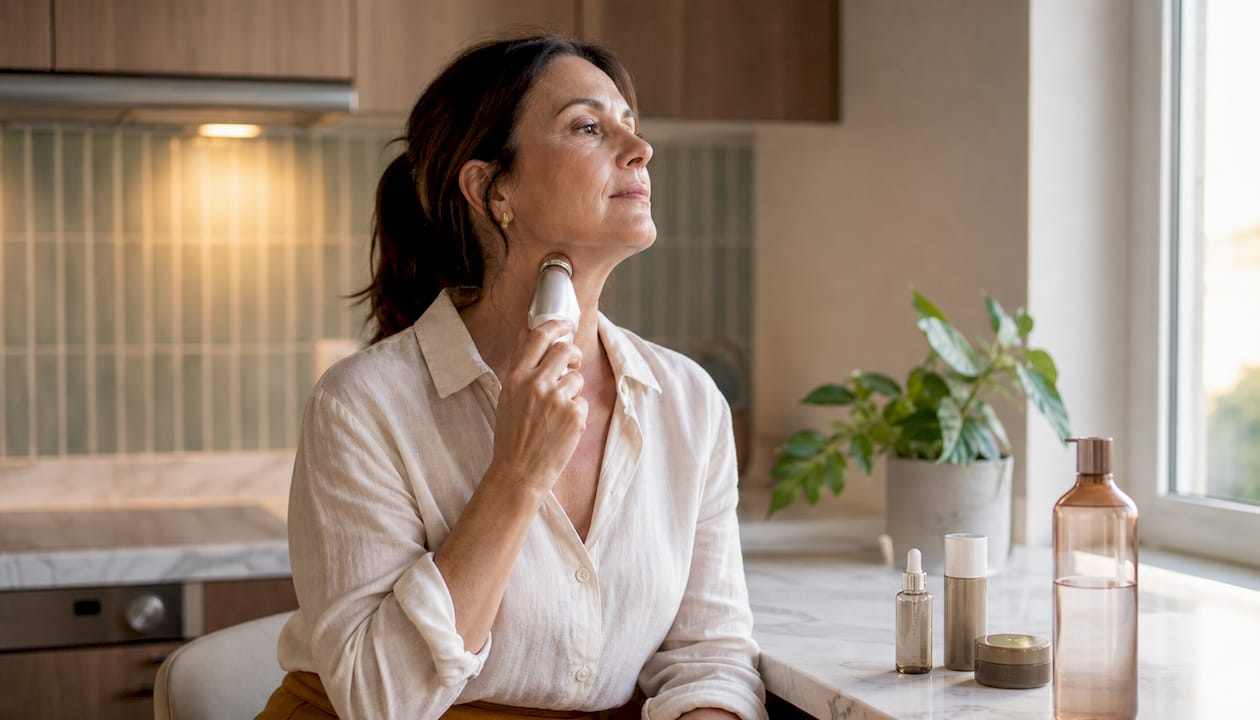
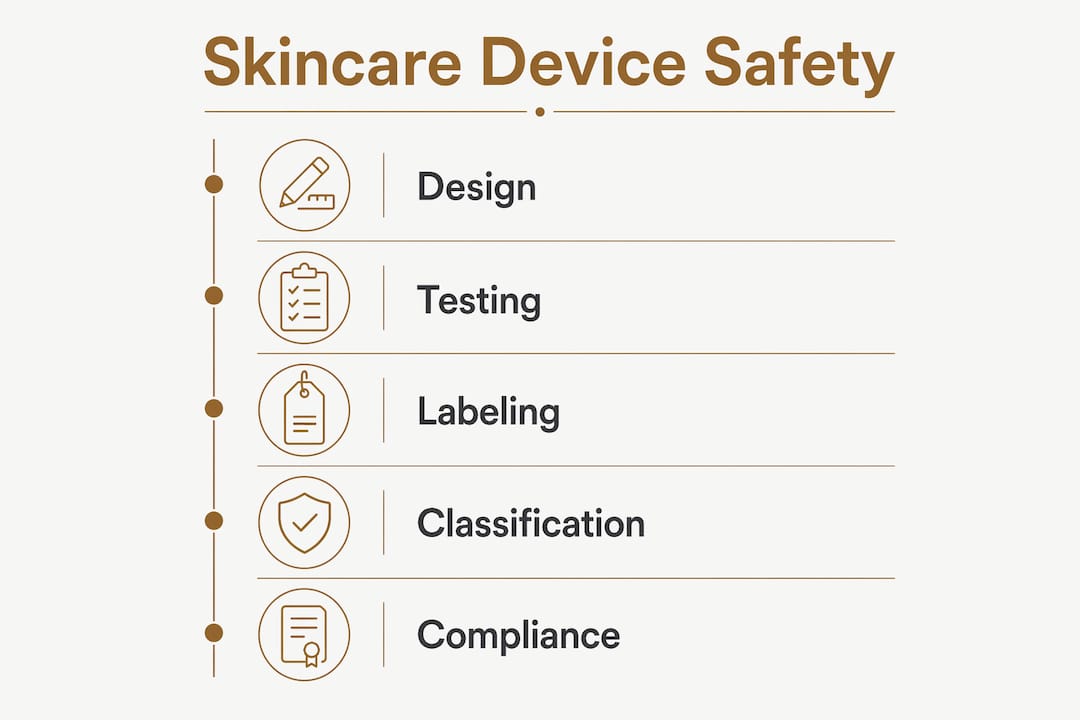
Skincare device safety standards are regulations and technical norms established to prevent harm and ensure products perform as intended. They apply to everything from LED light therapy masks to microcurrent facial tools and radiofrequency devices. Regulatory bodies including the FDA, the European Commission, and international standards organisations like IEC set these requirements. The 2026 updates to FDA guidance and the EN IEC 60601-2-57:2026 standard mark a significant shift in how both manufacturers and consumers must think about device safety. Understanding why these rules exist gives you the knowledge to choose devices that genuinely protect your skin.
Why skincare device safety standards exist
Safety standards for skincare devices exist because these products interact directly with human tissue. Without enforceable rules, a device emitting optical radiation or electrical current could cause burns, eye damage, or electromagnetic interference with no accountability. The FDA, the EU Medical Device Regulation (EU MDR), and the IEC each define what “safe” means in measurable, testable terms.
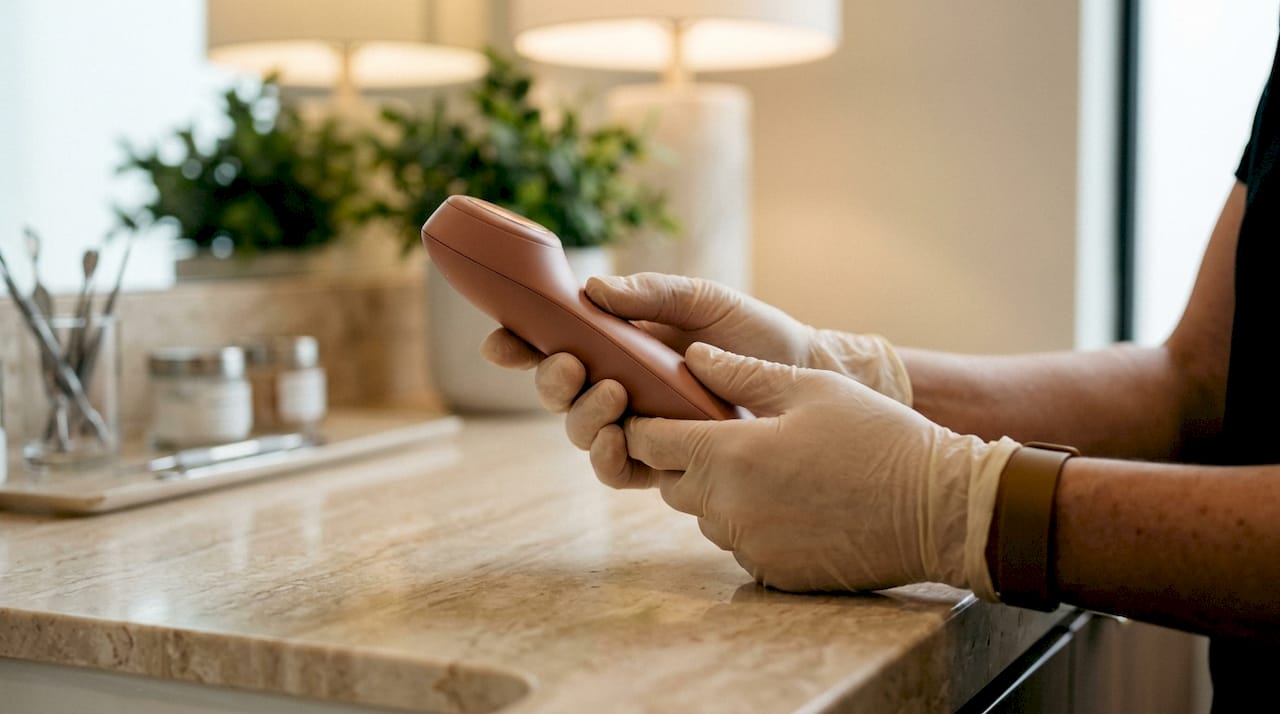
The industry term for this framework is “device safety compliance.” It covers electromagnetic compatibility, photobiological hazard control, clinical evaluation, and labelling requirements. These are not optional guidelines. They are legally binding conditions that a device must meet before it reaches your hands.
The importance of skincare device safety becomes clear when you consider the range of technologies involved. A red light therapy panel emits optical radiation between 200 and 3,000 nanometres. A microcurrent device passes electrical current through facial tissue. Both carry real risks if poorly designed or untested. Standards exist precisely because the consequences of failure are physical, not just financial.
What key regulations govern skincare device safety globally?
Three major frameworks shape the global picture of skincare device regulations.
FDA (United States)
The FDA updated its guidance on 29 may 2026, with requirements taking effect on 15 june 2026. Under FDA Guidance v2.1, all RF, microcurrent, and LED light therapy devices must comply with enhanced electromagnetic compatibility (EMC) testing per FCC Part 18 and IEC 60601-2-57. Devices must also carry bilingual warning labels affixed directly to the unit. A device missing the required label can be detained by US Customs even if it previously passed safety clearance. That detail reveals something important: regulatory enforcement centres on documentation completeness, not just technical performance.
EU Medical Device Regulation (EU MDR) Annex XVI
EU MDR Annex XVI extends medical device regulations to cosmetic devices that carry comparable risk profiles, even when they have no medical purpose. Devices covered include intense pulsed light (IPL) systems, lasers, and radiofrequency tools. Manufacturers must provide clinical evaluations and demonstrate safety before placing these products on the EU market. This is a significant expansion. A device sold purely for cosmetic use now faces the same scrutiny as a medical instrument if its risk profile warrants it.
EN IEC 60601-2-57:2026
The EN IEC 60601-2-57:2026 standard applies to all non-laser light source equipment used in therapeutic, diagnostic, monitoring, or cosmetic applications. It requires:
- Uniform light output to prevent localised overexposure
- Specific controls for retinal damage and skin burn hazards
- Stringent labelling covering wavelength, irradiance, and usage warnings
- Compliance across the full optical radiation spectrum of 200–3,000 nm
This standard sets the technical baseline that manufacturers must meet. It is the clearest example of how safety standards for skincare tools translate abstract risk into concrete engineering requirements.
How do safety standards reduce risks for skincare device users?
Safety standards reduce risk through four distinct mechanisms: device design controls, performance uniformity, hazard mitigation, and user information requirements.
-
Electromagnetic compatibility controls prevent a device from interfering with other electronics and protect the user from unintended electrical exposure. FCC Part 18 compliance, now mandatory under the June 2026 FDA update, addresses this directly.
-
Photobiological hazard controls under EN IEC 60601-2-57:2026 require uniform optical output from light-based devices. Inconsistent light delivery creates hotspots that can burn skin or damage the retina. The standard eliminates this by setting precise output tolerances.
-
Risk classification and clinical evaluation under EU MDR Annex XVI means that a cosmetic device with a serious risk profile must be clinically evaluated before sale. Manufacturers cannot simply assert that a product is safe. They must prove it with evidence.
-
Mandatory labelling and user instructions give you the information needed to use a device correctly at home. Labels must state wavelength, power output, contraindications, and usage limits. This is not bureaucratic box-ticking. It is the mechanism by which technical safety translates into real-world safe use.
Pro Tip: Before purchasing any light therapy or microcurrent device, check whether it references IEC 60601-2-57 compliance or FDA clearance in its documentation. These are the clearest indicators that the product has been tested to a recognised standard.
Risk classification also matters for clinical trials for beauty devices, which are now required for a broader category of cosmetic tools under the updated EU framework.
How do at-home skincare devices differ from professional ones?
At-home skincare devices are deliberately lower intensity than their clinical counterparts. This is a design choice, not a limitation. Lower energy output means slower results, but it also means the device is safe to use without medical supervision. A professional IPL machine in a clinic operates at energy levels that require trained operators and protective eyewear. The consumer version of the same technology is calibrated to produce gradual improvement over weeks, with a much narrower margin for error.
This distinction has direct implications for how you use these devices. The safety mechanisms built into consumer devices include:
- Usage limits: many devices lock out further sessions after a set number of pulses or minutes to prevent overuse
- Skin tone sensors: some light-based devices read your skin tone before each pulse and adjust energy accordingly
- Compatible product restrictions: certain devices specify which serums or gels can be used alongside them, since incompatible products can alter how energy is absorbed
- Location restrictions: manuals for many devices explicitly state which areas of the face or body are safe to treat
Device manuals cover setup, skin preparation, session length, cleaning protocols, and contraindications specific to each device type. Ignoring these instructions is the most common cause of adverse reactions at home.
Pro Tip: Read the contraindications section of your device manual before first use, not after. Conditions like active acne, rosacea, or recent sun exposure can make certain devices temporarily unsuitable, regardless of how well-reviewed the product is.
For a practical overview of how these differences play out across device categories, the at-home facial devices guide covers the key distinctions in accessible detail.
You can also compare professional skincare tools for home use to understand which consumer devices come closest to clinical performance within safe parameters.
Why do regulatory updates matter for skincare device users?
Regulatory updates matter because technology moves faster than legislation. LED arrays, radiofrequency devices, and microcurrent tools have all become significantly more powerful in the past five years. Standards written a decade ago did not anticipate the energy outputs now available in consumer devices. The 2026 updates from the FDA and the EU directly address this gap.
“Safety standards increase public trust and reduce legal exposure for manufacturers by setting a recognised gold standard for product testing and performance assurance. When standards evolve, they reflect new evidence about what devices can do and what risks they carry.”
CEN-CENELEC, 2026
The benefits of these updates flow directly to you as a consumer:
- Improved safety baselines: updated standards incorporate new evidence about photobiological hazards, meaning newer certified devices are safer than older uncertified ones
- Legal protections: if a certified device causes harm through a design fault, regulatory compliance records create a clear accountability trail
- Consumer confidence: clinical evaluation requirements under MDR 2017/745 Annex XVI and FDA special controls mean that performance claims must be backed by evidence, not just marketing copy
- Post-market surveillance: manufacturers of regulated devices must monitor real-world performance after launch and report adverse events. This creates a feedback loop that catches problems early
Understanding skincare device compliance is not just about knowing which devices are legal. It is about knowing which devices have been tested against the most current understanding of risk. The examples of FDA-cleared beauty devices available today reflect these updated standards in their design and documentation.
Key takeaways
Skincare device safety standards exist to protect consumers from physical harm by ensuring that devices are tested, labelled, and clinically evaluated before they reach the market.
| Point | Details |
|---|---|
| Standards prevent physical harm | Regulations like EN IEC 60601-2-57:2026 control photobiological hazards including retinal damage and skin burns. |
| FDA 2026 update is enforceable now | Devices without bilingual labels and EMC compliance can be detained at US Customs as of 15 june 2026. |
| EU MDR Annex XVI covers cosmetic devices | Cosmetic tools with comparable risk profiles to medical devices now require clinical evaluation before sale. |
| At-home devices are intentionally lower intensity | Consumer devices are calibrated for safe unsupervised use, accepting slower results in exchange for a wider safety margin. |
| Manuals are safety documents | Device instructions cover contraindications, session limits, and compatible products that directly affect your safety. |
Why I think most people underestimate skincare device safety
Most people treat a skincare device the way they treat a hairdryer: plug it in, use it, and assume the product is safe because it is on the shelf. That assumption is understandable, but it misses something important. A hairdryer applies heat to hair. A microcurrent device passes electrical current through facial tissue. These are not equivalent risks.
What I find genuinely concerning is how rarely consumers check for regulatory compliance before buying. The phrase “FDA-cleared” appears on many product pages, but few people know what it actually means or how to verify it. Clearance means the FDA reviewed the device’s safety and performance data and found it substantially equivalent to a legally marketed device. It does not mean the FDA tested the device itself. That distinction matters when you are deciding how much trust to place in a product.
The 2026 updates to FDA and EU standards are a meaningful step forward. They close gaps that existed for years around labelling and clinical evidence. But the update that matters most for you is the one you make to your own buying habits. Check for IEC 60601-2-57 compliance. Look for EU MDR Annex XVI conformity on European products. Read the contraindications before you switch the device on. The standards exist to protect you. Using that protection requires knowing it is there.
— Adam
Certified skincare devices at Glowera
Glowera curates a selection of certified LED and microcurrent devices from internationally recognised brands, all meeting the safety benchmarks discussed in this article. Every device on the platform is sourced for authenticity and backed by manufacturer documentation, so you can verify compliance before you buy. Whether you are looking for microcurrent facial tools or light therapy panels that reference IEC 60601-2-57 standards, Glowera’s catalogue is built around products that take safety seriously. Explore the full range of beauty tech devices available for delivery across Saudi Arabia.
FAQ
What are skincare device safety standards?
Skincare device safety standards are legally binding technical requirements that govern how devices are designed, tested, and labelled. Key frameworks include FDA guidance, EU MDR Annex XVI, and EN IEC 60601-2-57:2026.
Why did the FDA update its requirements in 2026?
The FDA’s June 2026 update introduced enhanced EMC testing requirements and mandatory bilingual labelling for RF, microcurrent, and LED devices. Devices without compliant labels can be detained at US Customs.
Does EU MDR apply to cosmetic skincare devices?
Yes. EU MDR Annex XVI extends medical device regulations to cosmetic devices with comparable risk profiles, including IPL, laser, and radiofrequency tools, even when they have no medical purpose.
Are at-home skincare devices as powerful as professional ones?
At-home devices are intentionally lower intensity than professional equipment. This design choice makes them safe for unsupervised use, with results that develop gradually over longer treatment periods.
How can I verify that a skincare device meets safety standards?
Check the product documentation for references to IEC 60601-2-57 compliance, FDA clearance, or EU MDR Annex XVI conformity. You can also review certified beauty device brands to understand which manufacturers meet recognised safety benchmarks.