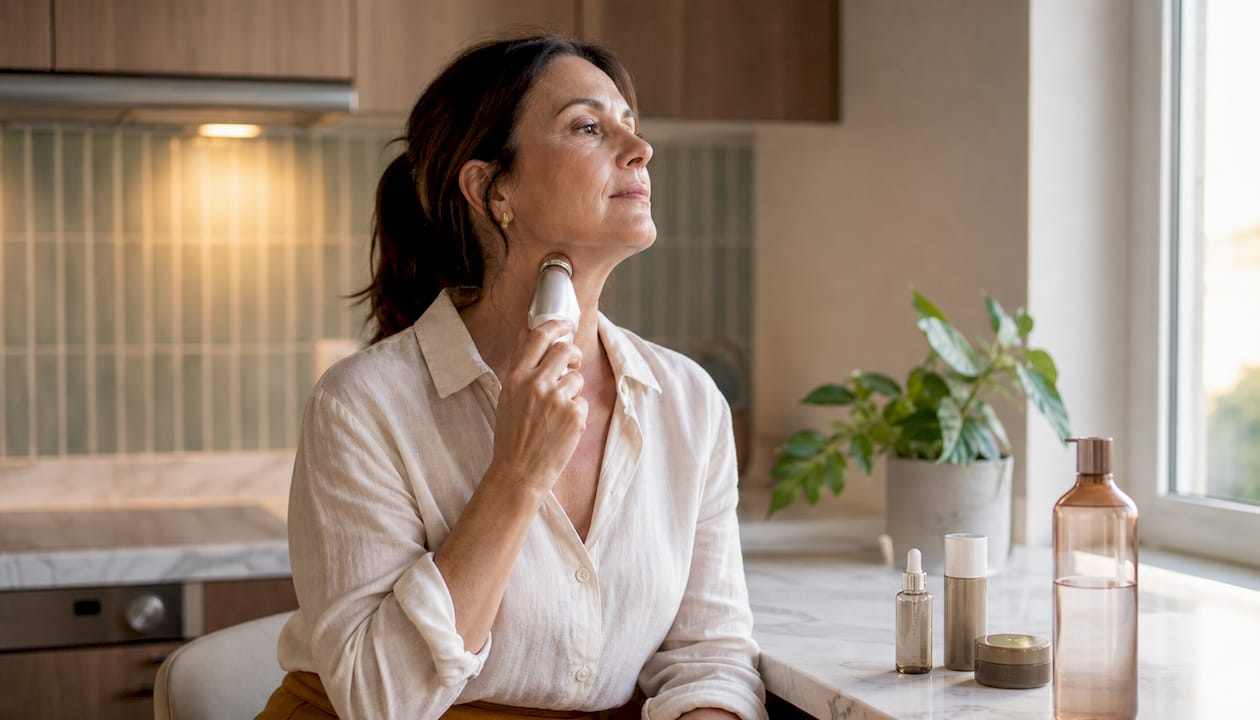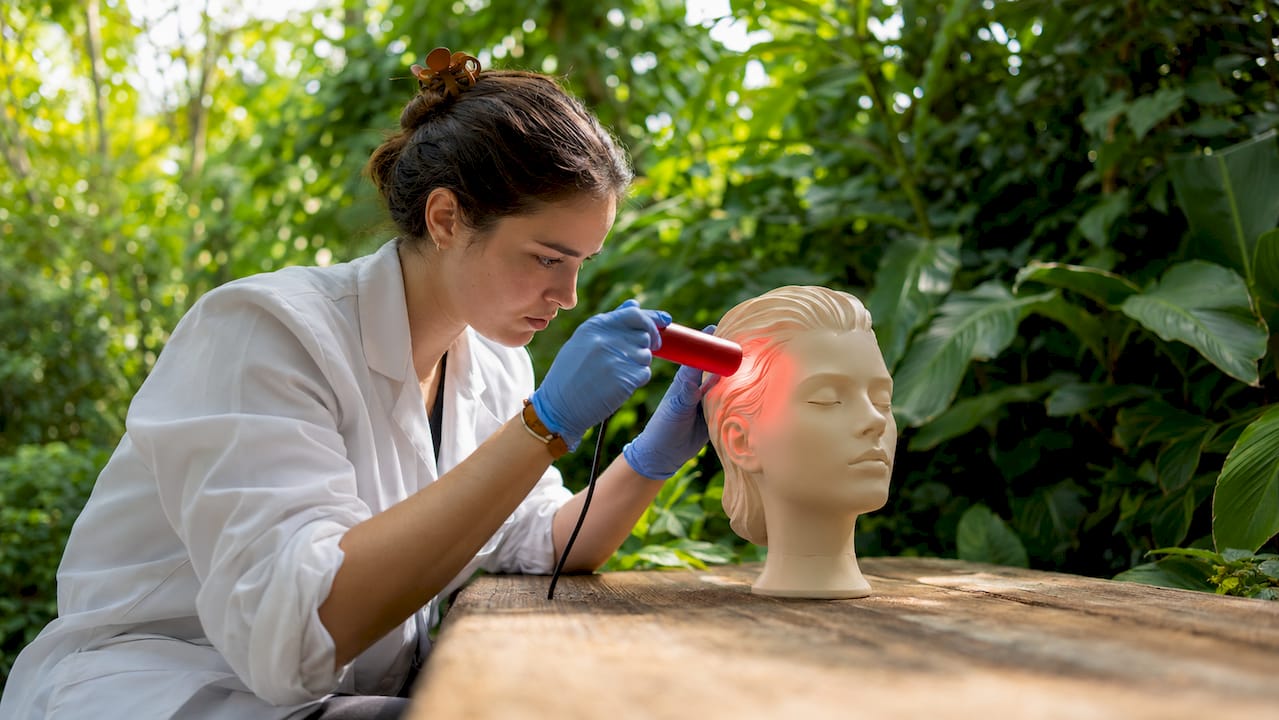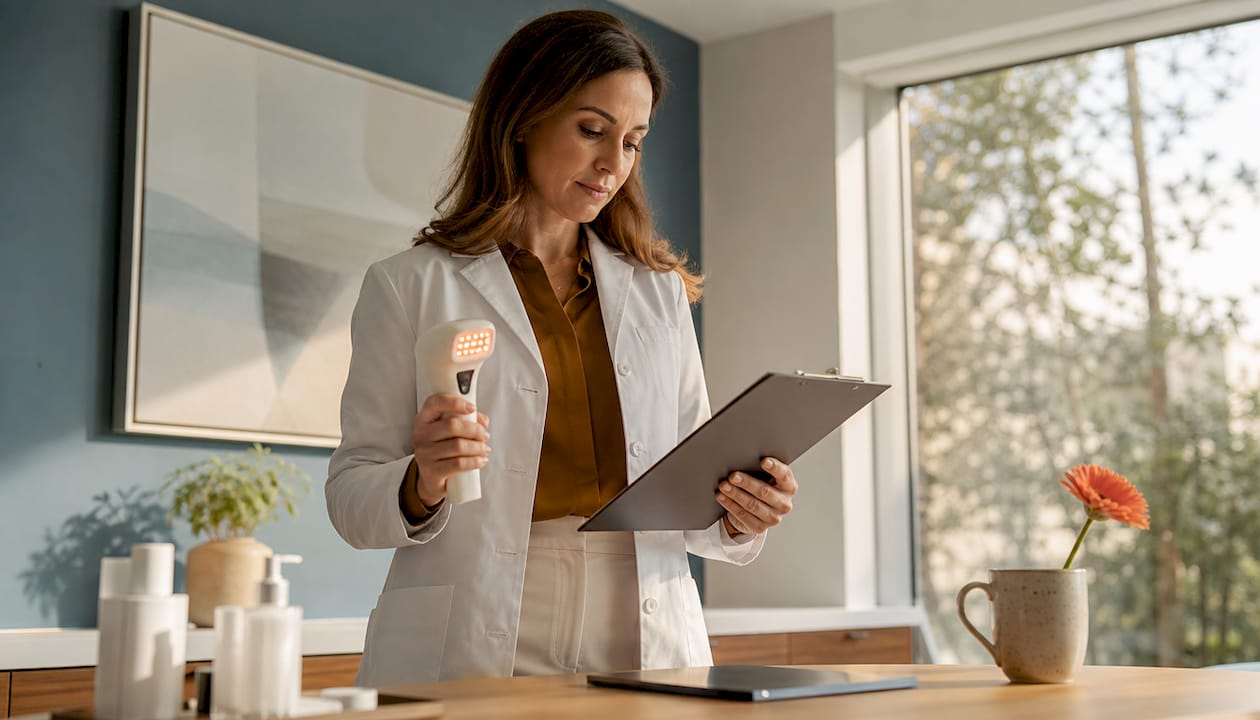
LED light therapy is defined as the application of specific light wavelengths to skin tissue to trigger targeted biological responses. The science behind how LED wavelengths affect skin is more precise than most people realise. Each wavelength, measured in nanometres (nm), penetrates to a different skin depth and activates a distinct cellular process. Blue light at around 415 nm kills acne-causing bacteria at the surface. Red light at 630–660 nm reaches the upper dermis to stimulate collagen. Near-infrared at 810–850 nm goes deeper still. Understanding these differences lets you choose the right tool for the right concern, whether that is acne, ageing, or uneven skin tone.
How do LED wavelengths affect skin at a biological level?
The mechanism behind LED light therapy is called photobiomodulation (PBM). PBM targets mitochondrial chromophores such as cytochrome c oxidase to increase ATP synthesis and reduce inflammation without causing DNA damage or heating tissue. That distinction matters. Unlike UV light, which damages DNA, PBM works by energising cells rather than stressing them.
Different wavelengths reach different skin layers. Shorter wavelengths, such as blue light, are absorbed quickly near the surface. Longer wavelengths, such as near-infrared, pass through the epidermis and into the dermis. This depth difference is what determines which skin concern each wavelength addresses most effectively.
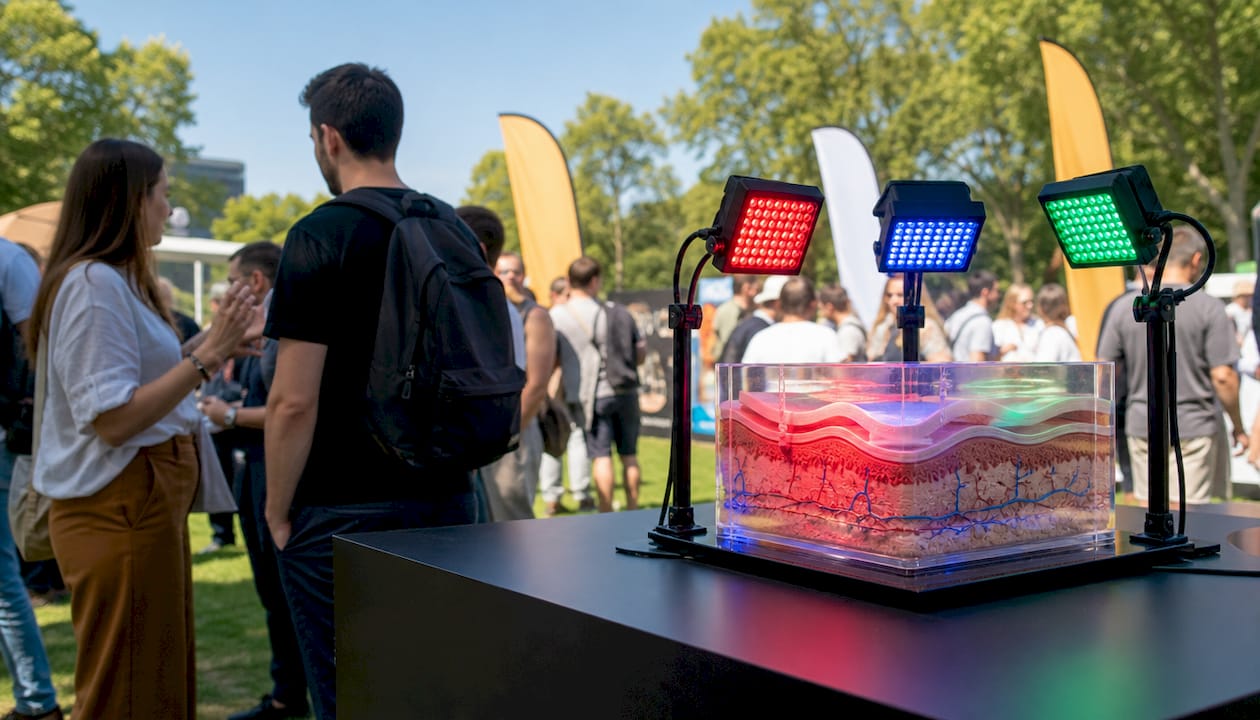
The outcome of each session is also cumulative. Effective photobiomodulation depends on cumulative dose, meaning a single session produces little visible change. Consistent use over weeks is what drives measurable results. This is the single most important fact to understand before investing in any LED device.
What does blue light do for acne-prone skin?
Blue light at approximately 415 nm is the standard clinical wavelength for acne treatment. Its penetration is shallow, reaching only the upper layers of the epidermis. That surface-level reach is precisely what makes it effective against acne.
Blue light activates porphyrins in Cutibacterium acnes, the bacterium responsible for inflammatory breakouts. When porphyrins absorb blue light, they produce reactive oxygen species that destroy the bacterial cell. The result is a measurable reduction in active lesions without the side effects associated with topical antibiotics.
Key points about blue light therapy for acne:
- Surface penetration only. Blue light does not reach the dermis, so it treats active bacteria rather than structural skin concerns.
- Best for inflammatory acne. Comedonal acne (blackheads and whiteheads) responds less predictably than red, inflamed lesions.
- Not suitable for all skin types. Blue light induces pigmentation at lower fluence than red light, making it a risk for those with Fitzpatrick skin types IV–VI or melasma-prone skin.
- Overuse carries risk. Blue light may worsen pigmentation in melasma-prone individuals, so limiting session frequency is advisable for darker complexions.
Pro Tip: If you have a medium to deep skin tone, pair blue light sessions with a broad-spectrum SPF that includes visible light filters, such as iron oxide-containing formulas, to counteract any pigmentation risk.
How does red and near-infrared light support skin rejuvenation?
Red and near-infrared light are the most clinically studied wavelengths for anti-ageing and skin repair. Red light at 630–660 nm penetrates up to 2–3 mm, reaching the upper dermis where fibroblasts live. Near-infrared at 810–850 nm reaches 4–5 mm, extending into the deeper dermis and subcutaneous tissue.
Red and near-infrared LED wavelengths increase fibroblast activity and collagen synthesis, reducing fine lines and improving skin density. Fibroblasts are the cells responsible for producing collagen and elastin. When stimulated by red light, they produce more of both, which is the direct mechanism behind wrinkle reduction and improved skin firmness.
The clinical evidence is specific. A 2013 study demonstrated significant periorbital wrinkle reduction and improved skin texture after 12 weeks of 850 nm near-infrared treatment. Red light has also been shown to reduce wound healing time by 20–40%, which explains its growing use in post-procedure recovery. For a broader overview of these benefits, the LED light therapy benefits for anti-ageing guide on Glowera covers practical protocols in detail.
| Wavelength | Penetration depth | Primary skin benefit |
|---|---|---|
| Red (630–660 nm) | 2–3 mm (upper dermis) | Collagen stimulation, wrinkle reduction |
| Near-infrared (810–850 nm) | 4–5 mm (deep dermis) | Tissue repair, elasticity, inflammation reduction |
Pro Tip: For anti-ageing results, use red or near-infrared light at least four times per week for a minimum of eight weeks. Sporadic use will not produce the collagen remodelling that clinical trials demonstrate.
What do yellow and green light do for sensitive skin and pigmentation?
Yellow and green light occupy the middle of the visible spectrum and address concerns that blue and red light cannot. They are particularly relevant for people managing redness, rosacea, or uneven skin tone.
Yellow light at 590 nm is absorbed by haemoglobin and reduces redness, post-inflammatory erythema, and minor pigmentation irregularities. Haemoglobin absorption means the light energy is taken up by blood vessels near the skin surface, calming visible redness without thermal damage. This makes yellow light a practical option for rosacea-prone skin and for post-procedure recovery after treatments such as chemical peels or laser resurfacing.
Green light at 520 nm targets hyperpigmentation and dilated capillaries. Its effects on melanin-producing cells make it useful for fading sunspots and areas of uneven tone. The benefits of yellow and green light therapy include:
- Reducing visible redness and flushing in rosacea-prone skin
- Calming post-inflammatory erythema after breakouts or procedures
- Fading superficial hyperpigmentation and sunspots
- Soothing sensitised skin without the pigmentation risk associated with blue light
These wavelengths are well suited to people who cannot tolerate blue light due to pigmentation concerns. They are also a useful addition to a multi-wavelength protocol for those managing both acne scarring and active redness simultaneously. For context on how photorejuvenation works safely across different skin types, the mechanism is consistent with PBM principles.
How to choose and use an LED device effectively at home
Wavelength precision matters far more than the number of colours a device offers. A device with five poorly calibrated LEDs will underperform compared to one with two well-engineered wavelengths at the correct irradiance. The first question to ask about any device is whether it delivers the clinically relevant wavelengths at sufficient energy output.
Consumer-grade LED devices output between 5–35 mW/cm² per session, which is below the optimal levels used in clinical trials. That gap is real, but it does not make home devices ineffective. It means you need longer and more frequent sessions to accumulate the same dose. Most consumer devices do not match clinical intensities, so results require consistent, long-term use rather than occasional treatments.
A practical home protocol for LED therapy:
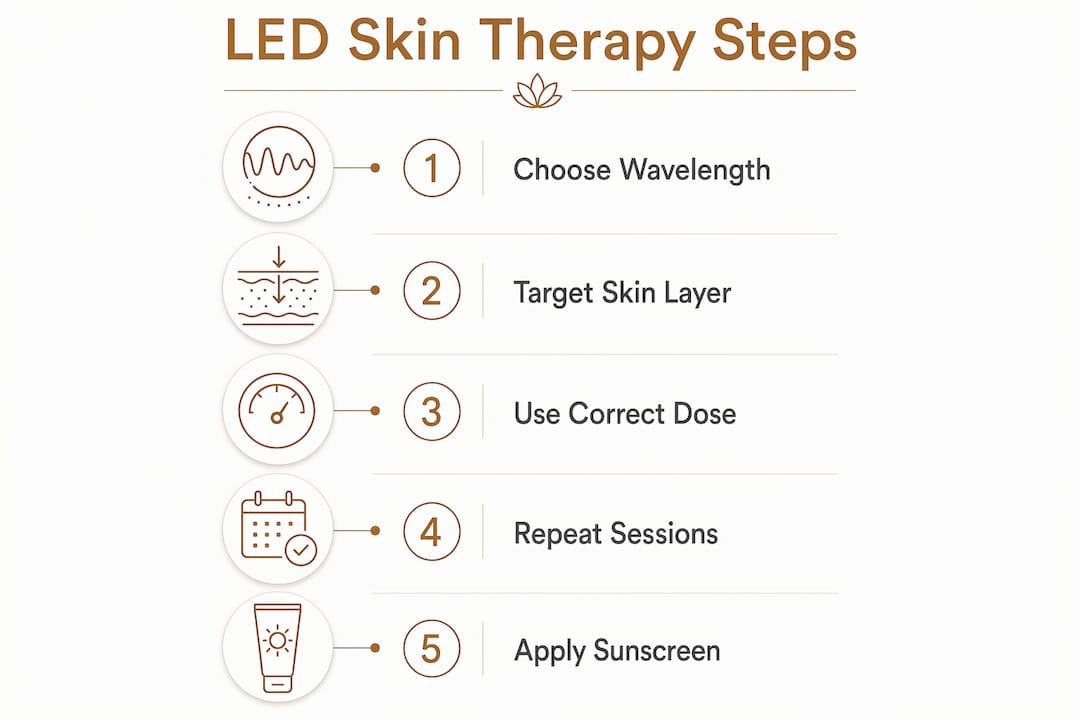
- Identify your primary concern. Acne calls for blue light. Ageing and collagen loss call for red or near-infrared. Redness and pigmentation call for yellow or green.
- Check the device wavelength specifications. Look for nm values in the product description. Avoid devices that list only colour names without nanometre data.
- Start with three to four sessions per week. Each session should last 10–20 minutes at the recommended distance from the skin.
- Commit to at least eight weeks. Collagen remodelling is a slow biological process. Visible improvement in fine lines typically requires eight to twelve weeks of consistent use.
- Consider your skin type before using blue light. Visible light contributes to pigmentation in individuals with darker skin tones, so those with Fitzpatrick types IV–VI should use blue light cautiously and prioritise photoprotection.
- Combine with a supporting skincare routine. A hydrating serum applied immediately after a session can enhance absorption, as LED therapy temporarily increases skin permeability.
Pro Tip: Look for devices that specify irradiance (mW/cm²) and energy dose (J/cm²) rather than just wattage. These figures tell you whether the device can realistically deliver a therapeutic dose.
Key takeaways
LED wavelengths affect skin by penetrating to specific depths and triggering distinct cellular responses, making wavelength selection the most critical factor in any LED therapy protocol.
| Point | Details |
|---|---|
| Wavelength determines depth | Blue light reaches the epidermis; red reaches the upper dermis; near-infrared reaches deeper tissue. |
| Blue light targets acne bacteria | It activates porphyrins in Cutibacterium acnes but carries pigmentation risk for darker skin types. |
| Red and near-infrared build collagen | Consistent use over eight or more weeks stimulates fibroblast activity and reduces fine lines. |
| Yellow and green calm redness | Yellow light absorbed by haemoglobin reduces rosacea and post-inflammatory erythema effectively. |
| Dose consistency is non-negotiable | Consumer devices require regular, long-term use to accumulate the clinical dose needed for visible results. |
What I have learned from years of following LED therapy research
The most common mistake I see is treating LED therapy like a skincare product you apply and forget. People buy a device, use it three times, see nothing, and conclude it does not work. The biology simply does not operate on that timeline. Collagen remodelling takes weeks. Bacterial populations in acne-prone skin take repeated sessions to reduce meaningfully. Adherence is the variable that separates people who see results from those who do not.
The second thing I would push back on is the assumption that more wavelengths means a better device. I have seen multi-colour devices with eight LED colours that deliver inadequate irradiance at every single one of them. A device with two well-calibrated wavelengths at sufficient energy output will outperform a rainbow panel every time. Ask for the mW/cm² figure before you buy.
The third point, and the one most articles skip entirely, is visible light protection. High-energy visible light is an often overlooked contributor to skin ageing and pigmentation, particularly for individuals with deeper skin tones. If you are using blue light for acne and you have a medium to deep complexion, you need a sunscreen that blocks visible light, not just UV. Iron oxide-based formulas are the practical solution. This is not a niche concern. It is a clinical reality that the beauty industry has been slow to communicate clearly.
— Adam
Glowera’s LED therapy range for targeted skin results
Choosing the right LED device is easier when you know exactly which wavelengths your skin needs. Glowera stocks a curated selection of professional-quality LED light therapy devices that specify wavelength data, irradiance output, and recommended protocols, so you are not guessing at efficacy.
The range includes masks and panels combining red, blue, and near-infrared wavelengths, designed for at-home use with clinical-grade engineering. Whether you are targeting active breakouts, early signs of ageing around the eyes, or uneven skin tone, Glowera’s collection covers the full spectrum of evidence-based LED therapy. Every device ships to Saudi Arabia with authentic product guarantees and expert support. Browse the full LED skincare range to find the wavelength combination that matches your skin concern.
FAQ
What wavelength of LED light is best for acne?
Blue light at approximately 415 nm is the most effective wavelength for acne. It activates porphyrins in Cutibacterium acnes, producing reactive oxygen species that destroy the bacteria causing inflammatory breakouts.
Can red light therapy really reduce wrinkles?
Red light at 630–660 nm stimulates fibroblast activity and collagen synthesis in the upper dermis. Clinical studies show measurable wrinkle reduction and improved skin texture after consistent use over eight to twelve weeks.
Is LED light therapy safe for dark skin tones?
Red, near-infrared, yellow, and green wavelengths are generally safe for all skin tones. Blue light carries a pigmentation risk for Fitzpatrick types IV–VI, so those with darker complexions should use it cautiously and apply visible light-protective sunscreen.
How often should I use an LED device at home?
Three to four sessions per week is the standard recommendation for home devices. Because consumer-grade devices output lower irradiance than clinical equipment, consistent long-term use over at least eight weeks is necessary for visible results.
Can I use LED therapy alongside my regular skincare routine?
LED therapy is compatible with most skincare routines. Applying a hydrating serum immediately after a session can improve absorption. Avoid using photosensitising actives such as retinoids or AHAs immediately before a session, as these may increase skin sensitivity to light.