Many people hear “laser” and picture redness, downtime, and clinical settings. That assumption causes a genuinely useful treatment to be overlooked. If you have been wondering what does LLLT mean in skincare, the short answer is: low-level laser therapy, a non-invasive light-based treatment that works at the cellular level to repair, rejuvenate, and stimulate skin without any heat or tissue damage. It is not the aggressive laser you are imagining. Understanding the distinction matters because LLLT has solid science behind it and real, measurable results when used correctly.
Table of Contents
- Key takeaways
- What does LLLT mean in skincare: the science explained
- LLLT benefits for skin: what the evidence shows
- How LLLT differs from LED and ablative lasers
- Integrating LLLT into your skincare routine
- My honest take on LLLT as a skincare investment
- Explore professional-grade LLLT devices with Glowera
- FAQ
Key takeaways
| Point | Details |
|---|---|
| LLLT is non-thermal and non-invasive | It stimulates cells using specific light wavelengths without burning or damaging skin tissue. |
| Results require consistent treatment | Clinical studies show visible changes after roughly 30 sessions, with collagen improvements at around 8 weeks. |
| It complements, not replaces, skincare | LLLT works best alongside sun protection, topical treatments, and a considered skincare routine. |
| Device quality changes outcomes | Professional-grade devices with correct wavelengths outperform cheap, unregulated alternatives significantly. |
| Safety considerations exist | People with certain autoimmune conditions should consult a dermatologist before beginning any LLLT programme. |
What does LLLT mean in skincare: the science explained
LLLT stands for low-level laser therapy. You will also see it called photobiomodulation or cold laser therapy. All three terms describe the same process: delivering specific red or near-infrared light wavelengths into skin tissue to stimulate cellular activity for repair and regeneration.
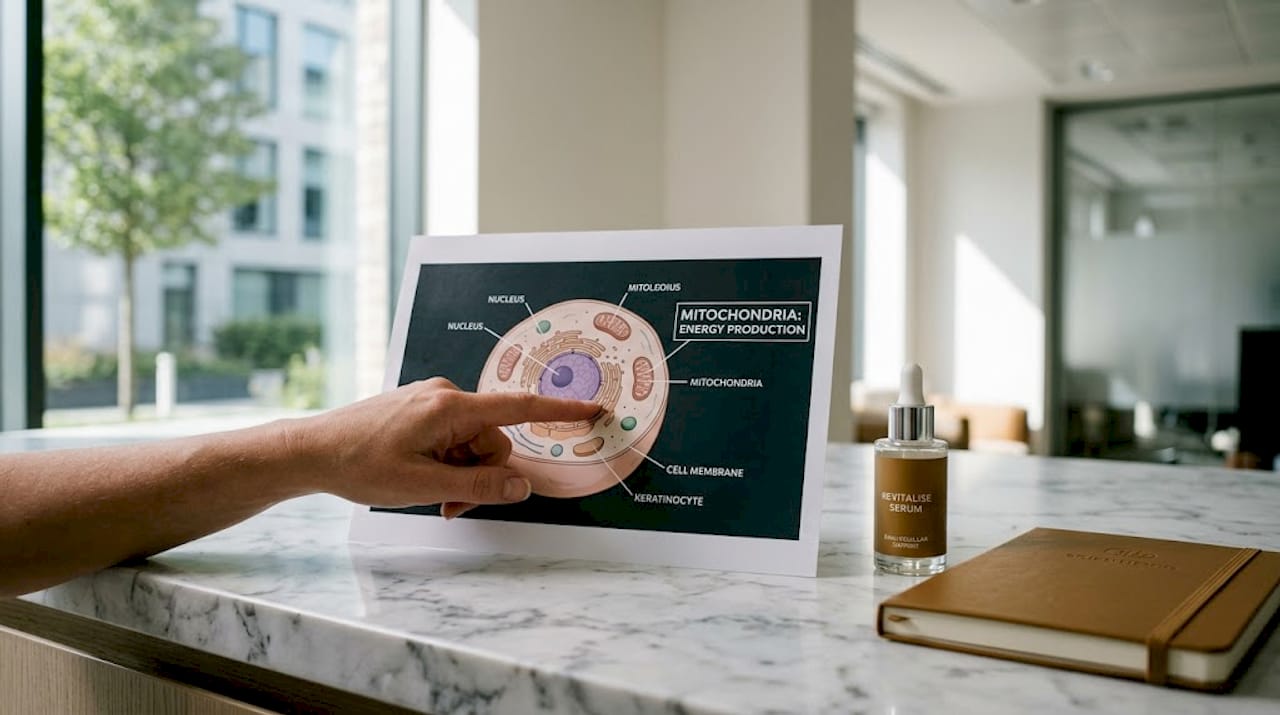
The mechanism is more precise than it sounds. Your skin cells contain mitochondria, and inside those mitochondria sits a protein called cytochrome c oxidase. This protein acts as a chromophore, meaning it absorbs light at specific wavelengths. When red or near-infrared light hits it, cytochrome c oxidase drives increased ATP production and modulates redox signalling, which directly supports cellular repair processes. Think of ATP as the cell’s fuel. More fuel means faster, more efficient repair.
The key wavelengths used in LLLT typically fall between 630nm and 850nm. Red light (around 630 to 680nm) tends to work on surface-level skin concerns, whilst near-infrared (800 to 850nm) penetrates deeper into the dermis, reaching fibroblasts responsible for collagen production. This is not a one-size-fits-all technology. The wavelength chosen matters as much as the device itself.
Here is what sets LLLT apart from other laser treatments:
- No heat generation. LLLT operates below the thermal threshold, meaning it stimulates without burning. This is the defining characteristic of the “low-level” distinction.
- No ablation. Unlike fractional CO2 or erbium lasers, LLLT does not remove or disrupt any skin layers.
- No recovery time. Most users experience no visible side effects and can return to normal activity immediately.
- Cellular-level action. The treatment changes how cells function, rather than creating injury that the skin then repairs.
Pro Tip: Look for devices that specify both wavelength (nm) and power output (mW or J/cm²). A device with no listed specifications is almost certainly not operating at therapeutic levels.
LLLT has been used clinically for over 50 years with robust research across dermatology, physiotherapy, and wound healing. Its FDA clearance for hair loss treatment sits alongside minoxidil and finasteride as a recognised therapeutic option, which gives a clear indication of its regulatory standing and established safety profile.
LLLT benefits for skin: what the evidence shows
Understanding the LLLT meaning in beauty is one thing. Knowing what it can realistically do for your skin is another. Here is what current clinical evidence supports.
| Skin concern | Observed effect | Timeline |
|---|---|---|
| Collagen density | 31% increase after 8 weeks of LLLT | 8 to 12 weeks |
| Skin texture improvement | Measurable improvement after approximately 30 sessions | 3 to 4 months |
| Inflammation and redness | Modulation of inflammatory markers; useful in acne and rosacea | 4 to 8 weeks |
| Skin firmness and elasticity | Improved dermal density, particularly with near-infrared wavelengths | 10 to 16 weeks |
| Wound healing and repair | Accelerated tissue regeneration, reduced oxidative stress | 2 to 4 weeks |
The collagen findings deserve particular attention. Fibroblast activity and collagen synthesis are directly supported by the photobiomodulation process. Fibroblasts are the cells responsible for producing the structural proteins that keep skin firm and youthful. When LLLT increases ATP availability in these cells, they simply work more efficiently.
For inflammatory skin conditions like acne, the anti-inflammatory effects of red light are particularly relevant. LLLT modulates pro-inflammatory cytokines without suppressing the immune system entirely, which makes it suitable for long-term use in ways that topical steroids are not.
“The clinical evidence for LLLT in skin rejuvenation is strongest when treatment protocols are consistent and device specifications are appropriate for the target tissue depth. Results are real, but they are gradual.”
It is worth being direct about the timeline. You will not see a transformation after a single session. Visible results typically require 3 to 4 months of consistent treatments. The benefit of this is that the changes reflect genuine cellular improvement rather than superficial surface effects that fade quickly. For readers curious about how LED therapy complements this, the science behind LED skin treatments offers useful additional context.
How LLLT differs from LED and ablative lasers
This is where most of the confusion around low-level laser therapy skincare sits. The term “laser” is used loosely across beauty marketing, and it leads people to conflate very different technologies.
| Treatment type | Light source | Thermal effect | Skin disruption | Recovery needed |
|---|---|---|---|---|
| LLLT (low-level laser therapy) | Coherent laser diodes | None | None | No |
| LED light therapy | Non-coherent LEDs | None | None | No |
| Ablative laser (CO2, erbium) | High-energy coherent laser | High | Surface removal | Yes, several days |
| IPL (intense pulsed light) | Broad-spectrum light | Moderate | Targeted disruption | Minimal to moderate |
LLLT and LED light therapy are the most frequently confused pair. The primary technical difference lies in light coherence. LLLT uses coherent laser diodes, meaning the light waves travel in a single, focused direction with consistent wavelength. LED devices emit non-coherent light, which disperses more broadly. In practice, this means LLLT can theoretically penetrate tissue with more precision, though professional LLLT devices sometimes use photoactive gels to enhance LED light’s reach, effectively converting it to a broader-spectrum output with greater depth penetration.
For those exploring at-home facial skincare devices, the distinction matters when choosing between device types. A well-specified LED device operating at the correct wavelength can still deliver meaningful photobiomodulation benefits. The critical variable is always wavelength accuracy and power density, not the “laser vs. LED” label alone.
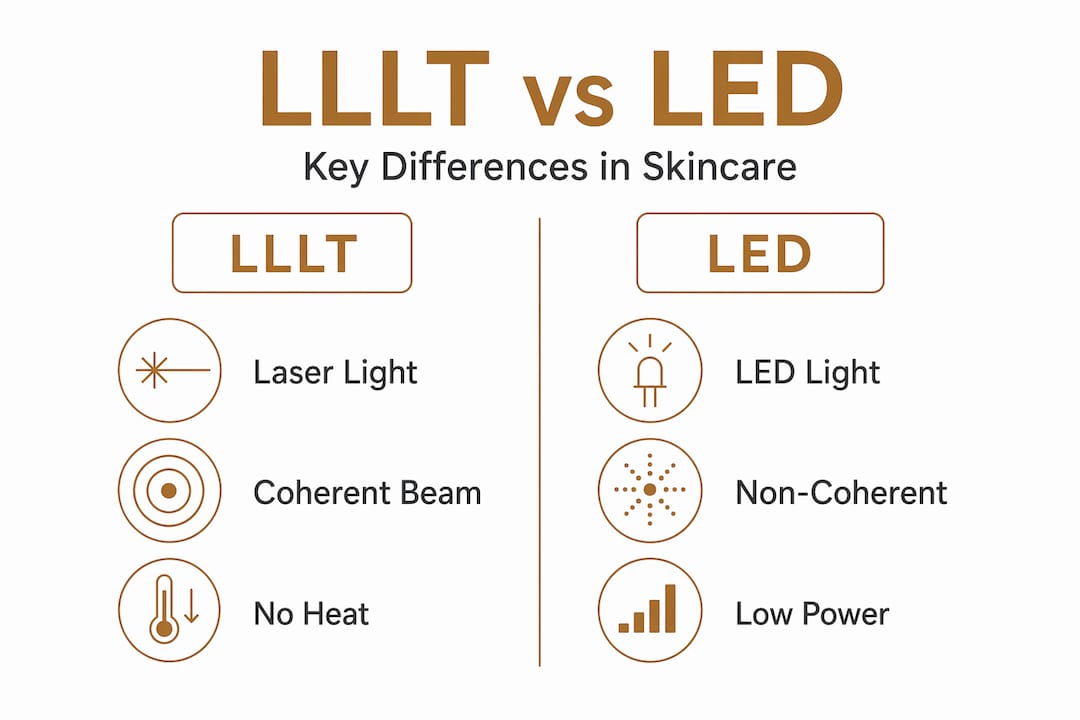
Ablative lasers operate in an entirely different category. They remove layers of skin deliberately to prompt a wound-healing response. The results can be dramatic, but so can the downtime and risk. LLLT and ablative treatments are not in competition. They address different goals for different skin presentations.
The myth worth dispelling is that more power equals better results with LLLT. Device quality and protocol consistency determine outcomes far more than intensity alone. Excessive power output can actually negate the photobiomodulation response, a phenomenon known as the biphasic dose-response. Reputable devices are calibrated to stay within the therapeutic window.
Integrating LLLT into your skincare routine
Knowing how LLLT works for skin is the starting point. Knowing how to use it practically is where results are made or missed.
Frequency and session length are the first considerations. Most evidence-backed protocols recommend three to five sessions per week, with each session lasting between 10 and 20 minutes depending on the device and the concern being treated. Consistency across weeks and months matters more than session intensity.
How you combine LLLT with topical skincare affects outcomes. Consider the following practical points:
- Apply LLLT to clean, dry skin. Active skincare products, particularly retinoids and acids, can interfere with light absorption and may increase photosensitivity if used immediately before treatment.
- Follow each session with a hydrating serum or moisturiser. LLLT increases cellular metabolism, and supporting that activity with hydration makes practical sense.
- Use broad-spectrum SPF every day without exception. Photobiomodulation increases skin sensitivity to UV in some users, and consistent sun protection preserves the collagen gains you are working to build.
- Do not skip sessions during the first two months. This is when the foundational cellular changes are being established, and irregular use slows the compounding effect.
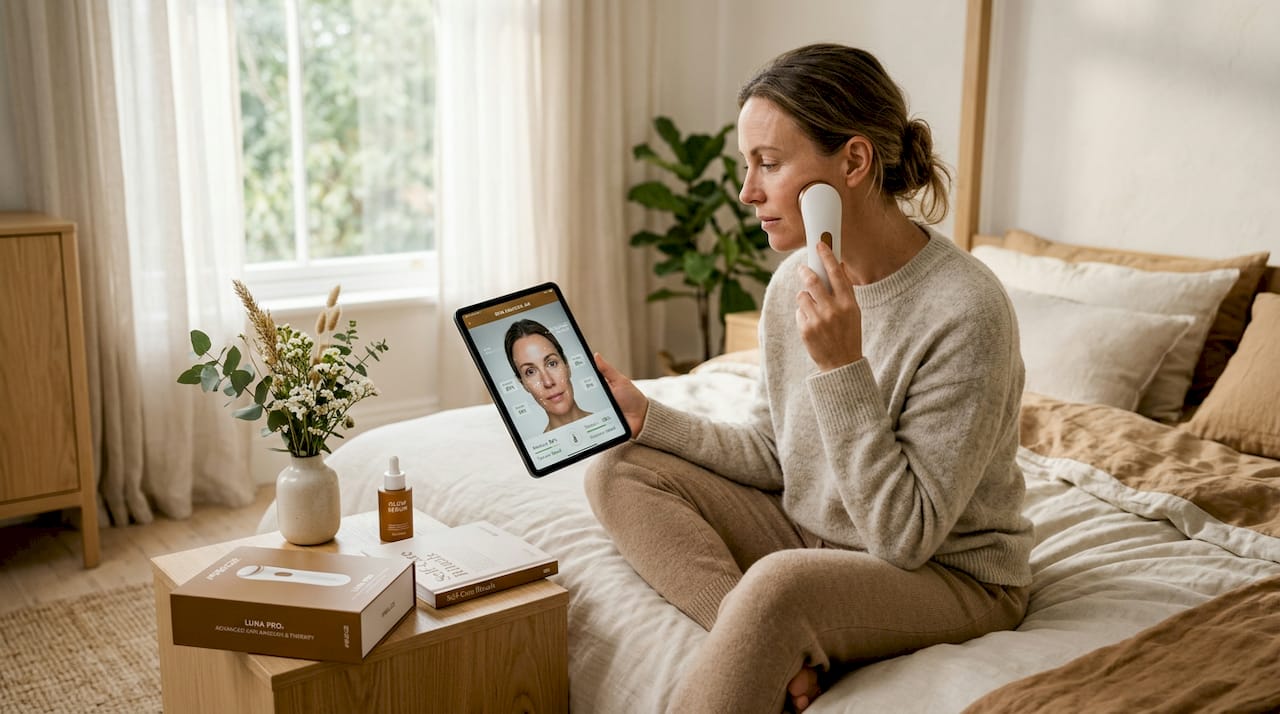
Pro Tip: If you are using both a microcurrent device and an LLLT device, apply LLLT first. Photobiomodulation prepares the cellular environment, and microcurrent benefits from the improved conductivity of well-energised tissue.
On the question of safety, LLLT is generally safe with minimal side effects such as mild transient redness. However, it is contraindicated for people with certain autoimmune conditions, those taking photosensitising medications, and individuals with active skin cancers. A consultation with a dermatologist before starting is advisable if any of these apply to you.
At-home devices have become significantly more capable. The gap between clinical and consumer-grade devices has narrowed in recent years, provided you select from reputable brands with published specifications. LLLT works best as part of a comprehensive approach to skincare, not as a standalone solution. The technology supports your skin; your broader habits determine the ceiling of those results.
My honest take on LLLT as a skincare investment
I have spent years watching skincare technology overpromise and under-deliver. LLLT is one of the few areas where I think the science genuinely justifies the enthusiasm, but only when the enthusiasm is calibrated correctly.
What I have observed is that LLLT performs best as a consistent background treatment. It is not the thing that transforms your skin overnight. It is the thing that, after three months of regular sessions alongside good sun protection and a considered routine, means your skin looks measurably better than it did before. The mechanism is real. The clinical evidence for marketing claims, however, varies considerably depending on the specific condition being treated. For anti-ageing and collagen support, the data is solid. For some other claimed benefits, the research is still catching up with the marketing.
My honest concern is the proliferation of low-quality devices using the LLLT or red light label without publishing any relevant specifications. If a device does not tell you its wavelength and power output, treat that as a significant red flag. The investment in a reputable device with documented specifications is not optional if you want results that match the research.
Patience is the other variable most users underestimate. I have seen people abandon genuinely good devices after four weeks because they did not see a transformation. The biology simply does not work that fast. Those who commit to a three to four month protocol, with proper complementary habits, are the ones who come back saying it changed how their skin looks and behaves.
— Adam
Explore professional-grade LLLT devices with Glowera
If this article has made LLLT feel worth exploring, the next step is choosing a device that actually delivers on the science.
Glowera curates a selection of professional-grade LED and light therapy devices from internationally recognised brands, all with verified specifications and authentic sourcing for Saudi Arabia delivery. Whether you are drawn to red light therapy for collagen support or combination devices that address multiple skin concerns, Glowera’s range is built for people who take their skincare seriously. For those interested in advanced Korean beauty technology known for its precise engineering, the K-beauty tech collection offers devices designed specifically for home use at professional standards. Browse with confidence, knowing every product has been selected for evidence-backed results.
FAQ
What does LLLT stand for in skincare?
LLLT stands for low-level laser therapy. It is also called photobiomodulation or cold laser therapy, and uses specific red or near-infrared light wavelengths to stimulate cellular repair and collagen production without heat or tissue damage.
How long does LLLT take to show results on skin?
Most clinical evidence suggests visible skin improvements appear after approximately 30 sessions, with collagen density changes measurable around 8 weeks. Full results typically require 3 to 4 months of consistent treatment.
Is LLLT safe for all skin types?
LLLT is generally safe for most skin types with minimal side effects. It is contraindicated for people with certain autoimmune conditions or those taking photosensitising medications, so a dermatologist consultation is advisable before starting.
What is the difference between LLLT and LED light therapy?
LLLT uses coherent laser diodes that emit focused, single-direction light, whilst LED therapy uses non-coherent light that disperses more broadly. Both can achieve photobiomodulation effects when operating at correct wavelengths and power densities.
Can I use LLLT at home or do I need a clinic?
At-home LLLT and red light devices have become highly capable, and professional results are achievable provided you select a device with published wavelength and power specifications from a reputable brand.