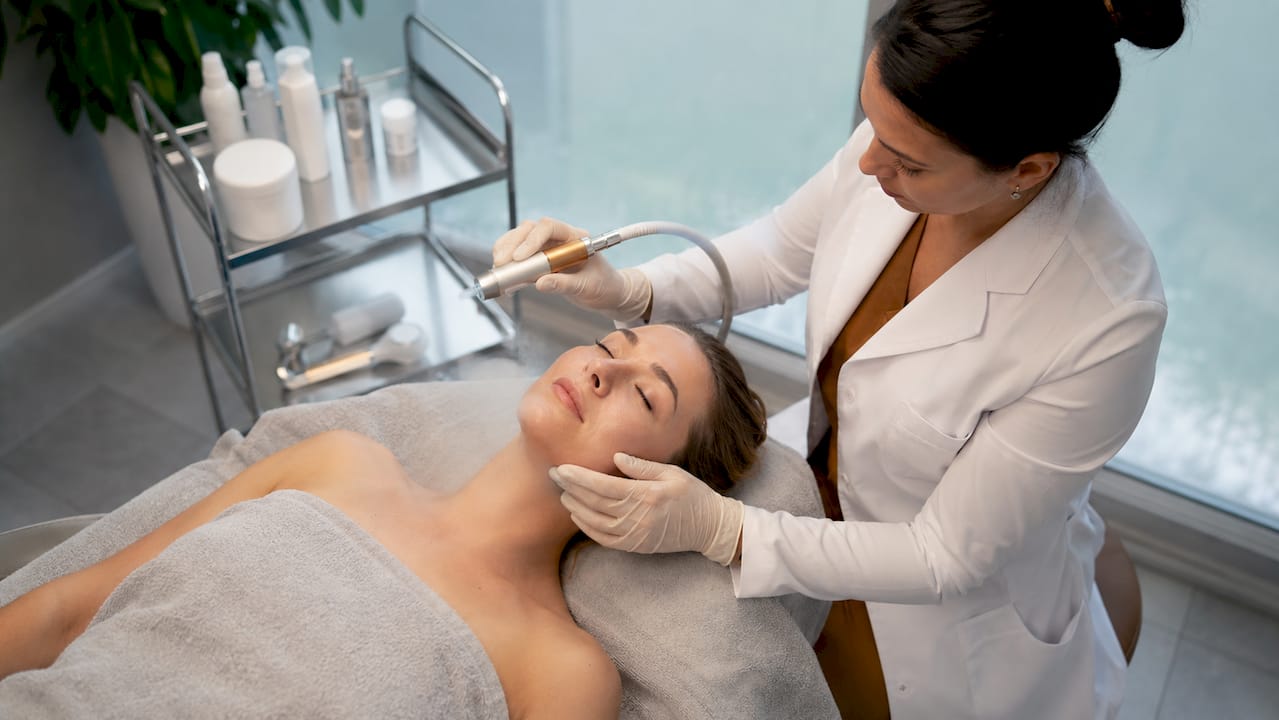
Cryotherapy for face is a cosmetic treatment that applies controlled bursts of ultra-cold nitrogen vapour to the skin, triggering a rapid circulatory response that temporarily tightens, brightens, and de-puffs the complexion. Known professionally as a cryofacial, the treatment has moved from sports recovery clinics into mainstream aesthetic practice, with sessions typically lasting 10–15 minutes and costing between $75 and $200. Dermatologists including Dr. Joshua Zeichner have weighed in on its mechanisms, and clinics from London to Riyadh now offer it as a quick-refresh option. The science behind it is real, but the marketing claims sometimes run ahead of the evidence.
What is cryotherapy for face and how does it work on skin?
Cryotherapy for face works by exposing the skin to extreme cold, which causes blood vessels to constrict immediately and then dilate rapidly once the cold is removed. This cycle of vasoconstriction followed by vasodilation increases blood flow, flooding the skin with oxygen and nutrients. The result is a temporary tightening effect and a visible reduction in redness and inflammation. Dr. Joshua Zeichner describes this as controlled thermal stress that promotes skin brightness and pore minimisation without altering the skin’s underlying structure.
The distinction between cosmetic cryotherapy and medical cryotherapy matters here. Medical cryotherapy uses sustained extreme cold to destroy tissue, treating conditions like warts or pre-cancerous lesions. Cosmetic cryotherapy, by contrast, uses brief, moving applications of nitrogen vapour that never stay on one spot long enough to cause tissue damage. The goal is stimulation, not destruction.
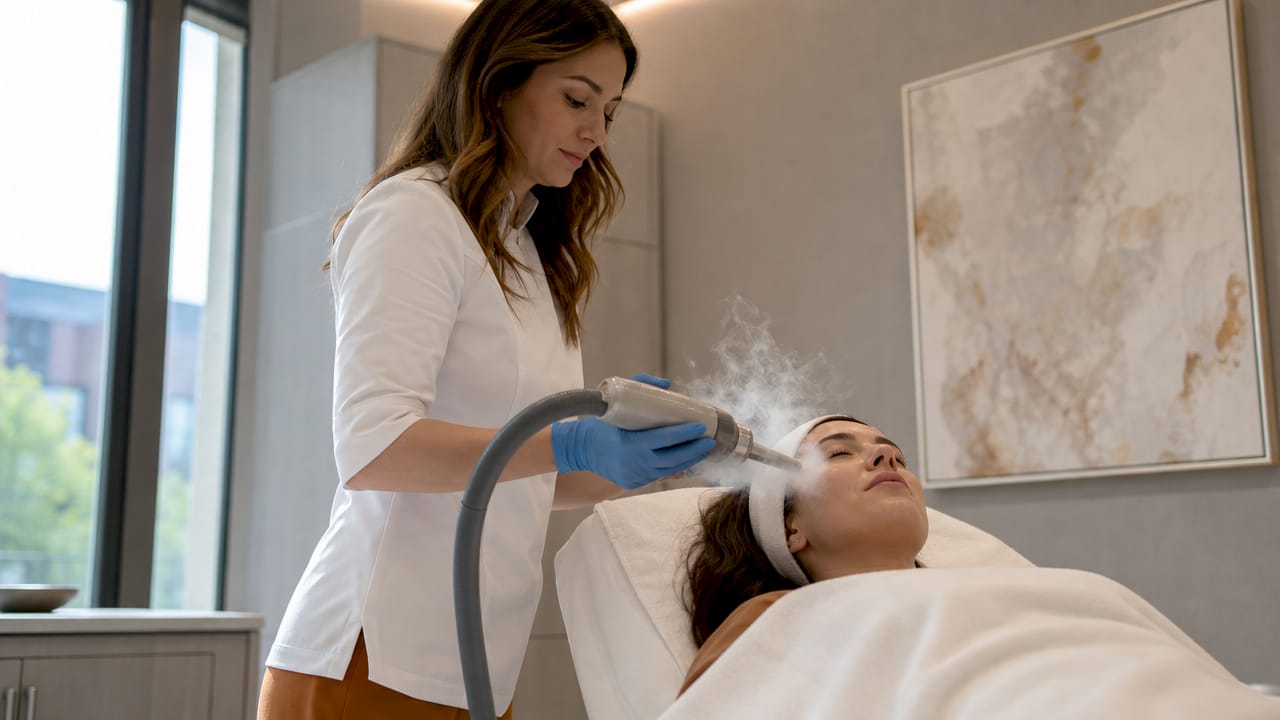
Pro Tip: Ask your practitioner whether they use a handheld nitrogen vapour device or a direct-contact tool. Vapour-based application is the safer standard for facial treatments.
What are the main benefits and limitations of cryotherapy facial treatment?
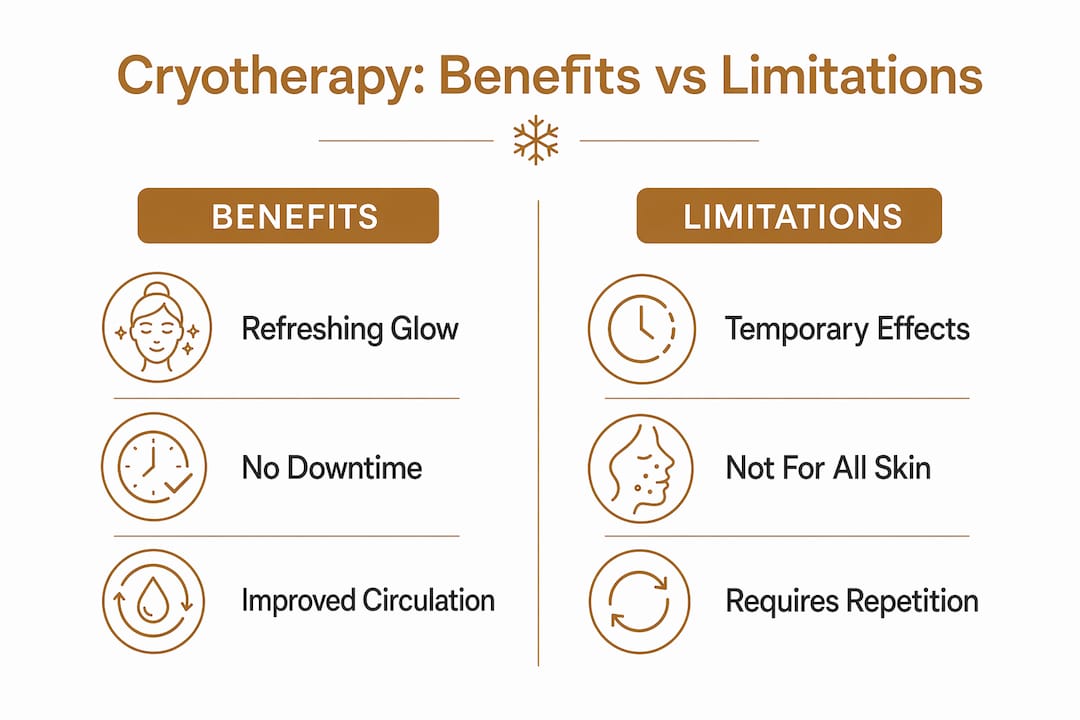
The benefits of facial cryotherapy are real but time-limited. Understanding what the treatment can and cannot do saves you money and sets the right expectations.
What cryotherapy does well:
- Reduces facial puffiness, particularly around the eyes and jawline, by constricting blood vessels and supporting lymphatic drainage
- Calms redness and inflammation, making it useful before events or after mild skin irritation
- Delivers a temporary glow by increasing circulation and improving oxygen delivery to the skin surface
- Eases symptoms of rosacea and acne-prone skin by suppressing inflammatory cytokines, reducing visible redness
- Works as a complementary post-procedure treatment to speed recovery after mild aesthetic interventions
Where the evidence runs thin:
- Tightening and glow effects are transient, lasting only 24–48 hours, and are frequently confused with permanent collagen remodelling
- Marketing claims for long-term collagen stimulation are not supported by clinical evidence; retinoids remain the gold standard for collagen production
- Pore size does not permanently reduce; the appearance of smaller pores fades as skin temperature normalises
- Wrinkle reduction claims lack robust clinical backing for cryotherapy as a standalone treatment
Clinicians consistently position cryotherapy as an event-day refresher or a complement to a broader skincare regimen, not a primary anti-ageing solution. That framing is the honest one.
What does a professional cryotherapy facial session involve?
A professional cryofacial session lasts 10–15 minutes, during which a trained practitioner uses a handheld device to emit vaporised liquid nitrogen at temperatures ranging from -30°C to -160°C. The procedure follows a specific sequence to keep it safe and effective.
- Skin preparation. The practitioner cleanses the face and removes any makeup or product residue to allow even cold penetration.
- Device application. The nitrogen vapour nozzle is held several centimetres from the skin and moved in slow, constant circular motions across the face, never pausing on one area.
- Targeted zones. The practitioner focuses on areas of puffiness or redness, such as under the eyes, the cheeks, and the forehead.
- Completion and assessment. Once the full face has been treated, the practitioner checks skin response and applies a calming serum or moisturiser.
During the session, you will feel a strong cooling sensation, often described as a tingling or mild pins-and-needles feeling. The sensation is not painful for most people. Skin appears flushed immediately after, then settles into a brighter, tighter appearance within minutes.
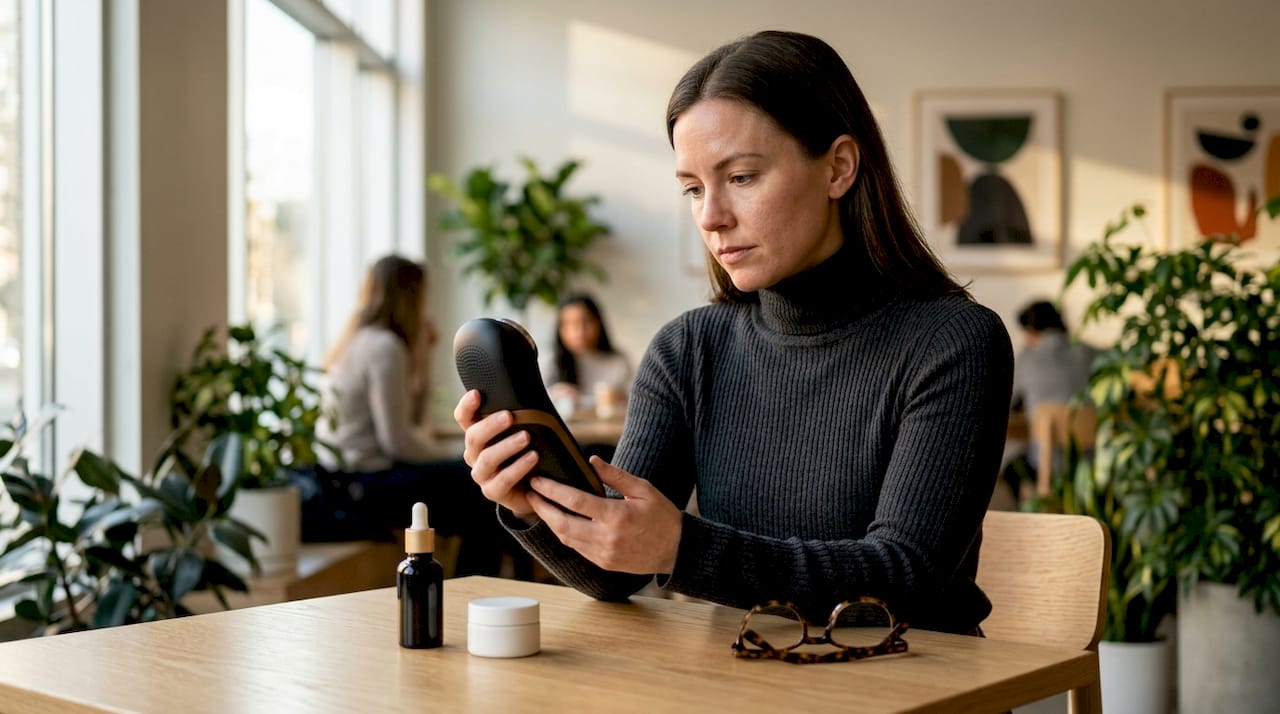
At-home alternatives such as chilled globes or ice rollers offer a milder version of the same principle. The Mayo Clinic advises applying these tools for 1–2 minutes per session, two to five times weekly, to safely reduce morning puffiness and support lymphatic drainage. Exceeding two minutes risks skin irritation or, in extreme cases, frostbite.
Pro Tip: Apply a chilled roller immediately after cleansing in the morning, before serum. The cold primes circulation and helps active ingredients absorb more effectively.
Who should consider facial cryotherapy and who should avoid it?
Cryotherapy facial treatment suits a specific type of person. Knowing whether you fall into that group prevents wasted sessions and potential skin reactions.
Good candidates:
- People seeking a non-invasive, temporary skin refresh before a significant event
- Those with mild inflammatory skin conditions such as rosacea or acne who want to reduce visible redness without medication
- Individuals who have recently completed a course of aesthetic treatments and want to support skin recovery
- Anyone looking to complement an existing skincare routine with a quick, low-downtime add-on
People who should avoid it:
- Those with fresh surgical wounds, open lesions, or active skin infections
- Individuals with Raynaud’s disease or other conditions affecting circulation in response to cold
- People with highly sensitive skin prone to broken capillaries, as repeated cold exposure can worsen this
- Anyone with cryoglobulinaemia, a rare condition where cold causes abnormal protein activity in the blood
Dermatology experts recommend professional application over at-home cold tools for anyone with a diagnosed skin condition. A trained practitioner can adjust temperature, distance, and duration based on your skin’s live response. At-home tools are appropriate for healthy skin maintenance but are not a substitute for clinical assessment.
How does facial cryotherapy compare with other skin rejuvenation treatments?
Cryotherapy occupies a specific niche in the skin rejuvenation space. It delivers fast, visible results with no downtime, but it does not compete with treatments that create lasting structural change. Understanding where it sits helps you build a smarter skincare plan.
| Treatment | Mechanism | Effect duration | Evidence for collagen | Downtime |
|---|---|---|---|---|
| Cryotherapy facial | Thermal stress, vasodilation | 24–48 hours | Not supported | None |
| Retinoids | Cell turnover acceleration | Long-term with consistent use | Strong | Mild initial irritation |
| Microneedling | Controlled micro-injury | Months | Strong | 2–3 days |
| LED light therapy | Photobiomodulation | Cumulative with regular use | Moderate | None |
Retinoids remain the gold standard for collagen production, as confirmed by dermatology research. Microneedling creates genuine structural improvement through controlled injury and repair. LED light therapy builds results cumulatively and pairs well with cryotherapy because both are non-invasive and require no recovery time.
The most effective approach combines cryotherapy as a quick-refresh tool with evidence-based treatments like LED therapy or microcurrent devices for sustained results. Cryotherapy before an event, LED therapy three times a week, and a retinoid at night is a combination that covers immediate, medium-term, and long-term skin goals. Treating cryotherapy as the whole solution is where most people go wrong.
Key takeaways
Facial cryotherapy delivers genuine short-term skin benefits through thermal stimulation, but structural anti-ageing results require evidence-based treatments like retinoids, microneedling, or LED therapy used consistently alongside it.
| Point | Details |
|---|---|
| Effects are temporary | Tightening and glow last 24–48 hours; plan sessions around events for best impact. |
| Collagen claims are overstated | Retinoids and microneedling have the evidence for collagen; cryotherapy does not. |
| Professional technique matters | Vapour applied in circular motion without skin contact is the safe standard. |
| At-home tools work within limits | Use chilled rollers for 1–2 minutes, two to five times weekly, to avoid irritation. |
| Best used in combination | Pair cryotherapy with LED therapy or microcurrent devices for sustained skin improvement. |
The honest truth about cryotherapy facials
I have followed the cryotherapy facial trend closely for several years, and my honest assessment is this: it works, but not in the way most clinics advertise it. The glow is real. The de-puffing is real. The problem is that the industry has allowed clients to conflate a 24-hour circulatory boost with permanent anti-ageing treatment, and that gap between expectation and reality is where disappointment lives.
The people who get the most from cryotherapy are those who treat it as a tool, not a solution. They use it the morning before a big occasion, or as a calming step after a course of microneedling, not as a replacement for the hard work of consistent skincare. I have seen people spend significant money on weekly cryofacials while neglecting a basic retinoid, which is a backwards approach by any clinical measure.
What I find genuinely promising is the role of cryotherapy in managing inflammatory skin conditions. The cytokine suppression effect for rosacea and acne-prone skin is underreported relative to the anti-ageing noise. For someone dealing with persistent redness, a well-timed cryofacial can offer real relief without the side effects of topical steroids.
My advice: try it once before a significant event, note how your skin responds, and then decide whether it earns a regular place in your routine. Pair it with beauty tech that delivers lasting results and you have a genuinely effective approach.
— Adam
Advanced beauty tech to complement your cryotherapy results
The temporary glow from a cryofacial is a strong starting point. Sustaining it requires tools that work at a deeper level.
Glowera stocks a curated range of professional-grade beauty devices for the Saudi Arabian market, including LED light therapy panels from CurrentBody Skin and microcurrent facial devices that deliver the kind of cumulative, structural results cryotherapy alone cannot. LED therapy builds collagen over weeks of consistent use. Microcurrent tones facial muscles and improves contour. Together with periodic cryotherapy sessions, these devices form a complete, evidence-backed skin rejuvenation routine. Browse the full Glowera beauty tech collection to find the right device for your skin goals, with authentic products and delivery across Saudi Arabia.
FAQ
What is a cryotherapy facial exactly?
A cryotherapy facial, or cryofacial, is a cosmetic treatment that applies vaporised liquid nitrogen to the face at temperatures between -30°C and -160°C for 10–15 minutes. It temporarily tightens skin, reduces puffiness, and improves radiance through a rapid circulatory response.
How long do the results of a cryotherapy facial last?
Results typically last 24–48 hours. The tightening and glow effects are temporary and reflect increased blood flow rather than any permanent structural change to the skin.
Is cryotherapy safe for face treatments at home?
At-home cold tools like ice rollers and chilled globes are safe when used for 1–2 minutes per session, two to five times weekly. Exceeding two minutes risks skin irritation or frostbite, so timing matters.
Who should not have a cryotherapy facial?
People with fresh surgical wounds, open skin lesions, Raynaud’s disease, or cryoglobulinaemia should avoid cryotherapy facials. Those with highly sensitive skin prone to broken capillaries should consult a dermatologist first.
Does cryotherapy stimulate collagen production?
Clinical evidence does not support long-term collagen stimulation from cryotherapy. Retinoids and microneedling have the strongest evidence base for collagen production and remain the recommended treatments for structural anti-ageing results.