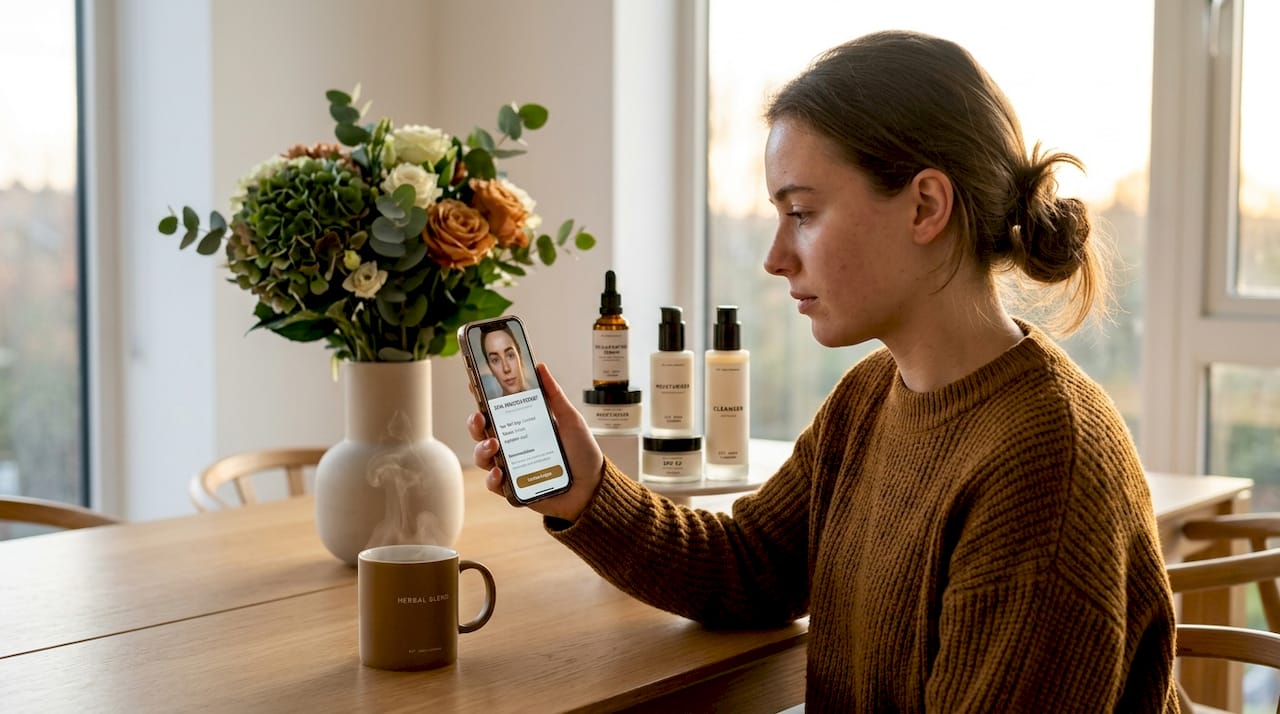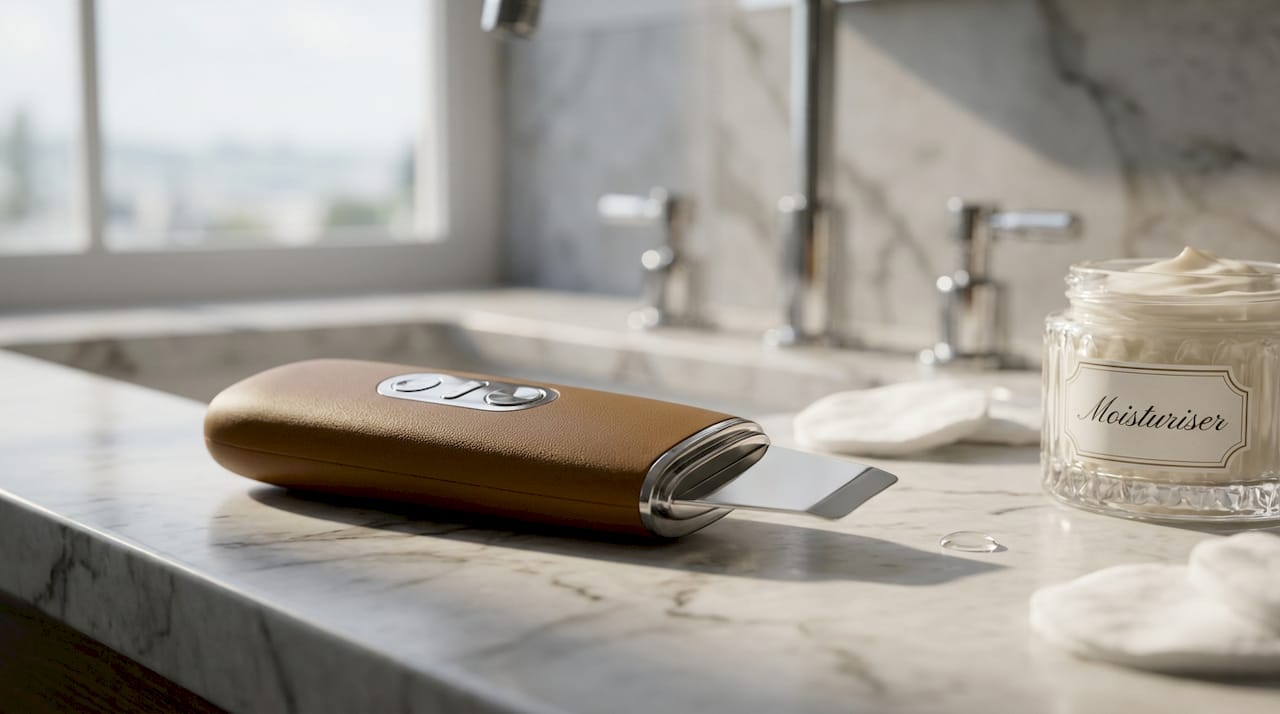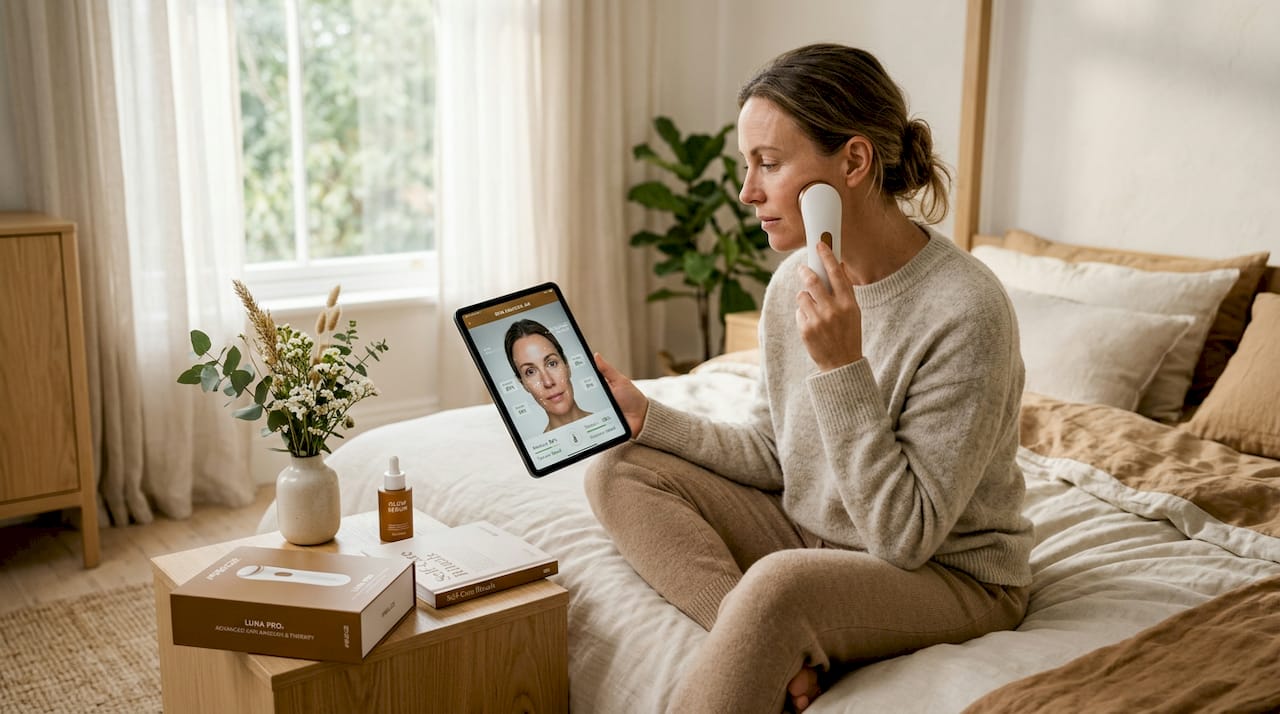
If you have noticed fine lines settling around your eyes, forehead, or mouth and want a non-invasive way to address them at home, you are not alone. The desire to reduce fine lines with a microcurrent device has driven a significant shift in how people in their 30s, 40s, and 50s approach their skincare routines. This guide covers everything you genuinely need to know: how these devices work at a cellular level, how to use them safely and correctly, what results to realistically expect, and which complementary habits will make your efforts count.
Table of Contents
- Key takeaways
- How a microcurrent device reduces fine lines
- Before you start: safety and preparation
- Step-by-step: how to use a microcurrent device properly
- Troubleshooting and tracking your progress
- Complementary practices that amplify your results
- My honest take on at-home microcurrent therapy
- Explore Glowera’s microcurrent range
- FAQ
Key takeaways
| Point | Details |
|---|---|
| Consistency is non-negotiable | Daily or near-daily use over 8 to 12 weeks is required to see meaningful changes in fine lines. |
| Conductive gel matters | Skipping gel reduces current conductivity and makes treatment less effective and potentially uncomfortable. |
| Safety checks come first | Pacemakers, pregnancy, and epilepsy are firm contraindications before starting any microcurrent treatment. |
| Pair it with complementary therapies | Combining microcurrent with LED red light therapy and peptide serums amplifies collagen-boosting results. |
| Progress takes patience | Microcurrent works best as a long-term maintenance tool, not a rapid fix for advanced skin laxity. |
How a microcurrent device reduces fine lines
Microcurrent therapy for fine lines works by delivering low-level electrical currents, measured in microamperes, to the muscles and skin cells beneath your face. These currents mimic your body’s own bioelectrical signals, nudging cells back into a more active, youthful state. Think of it as a gentle workout for both your facial muscles and the deeper tissue responsible for keeping skin firm.
At the cellular level, the benefits of microcurrent for skin come down to three key processes:
- ATP production: Microcurrent stimulation prompts cells to generate more adenosine triphosphate, the energy currency that fuels repair and regeneration.
- Collagen and elastin synthesis: Fibroblast activity increases, leading to higher collagen and elastin production, which is what restores skin firmness and reduces the depth of fine lines.
- Muscle re-education: Low-level currents retrain facial muscles that have gradually weakened or shifted over time, restoring lifted contour to the cheeks, jawline, and brow.
The key distinction between a professional treatment and an at-home device is energy output. Clinical machines operate at higher intensities and can deliver more dramatic results in fewer sessions. At-home devices work at lower levels, which is why consistent use over 8 to 12 weeks is required before significant structural changes accumulate. That is not a flaw in the technology. It simply means you are working with a safer, gentler version of the same principle.
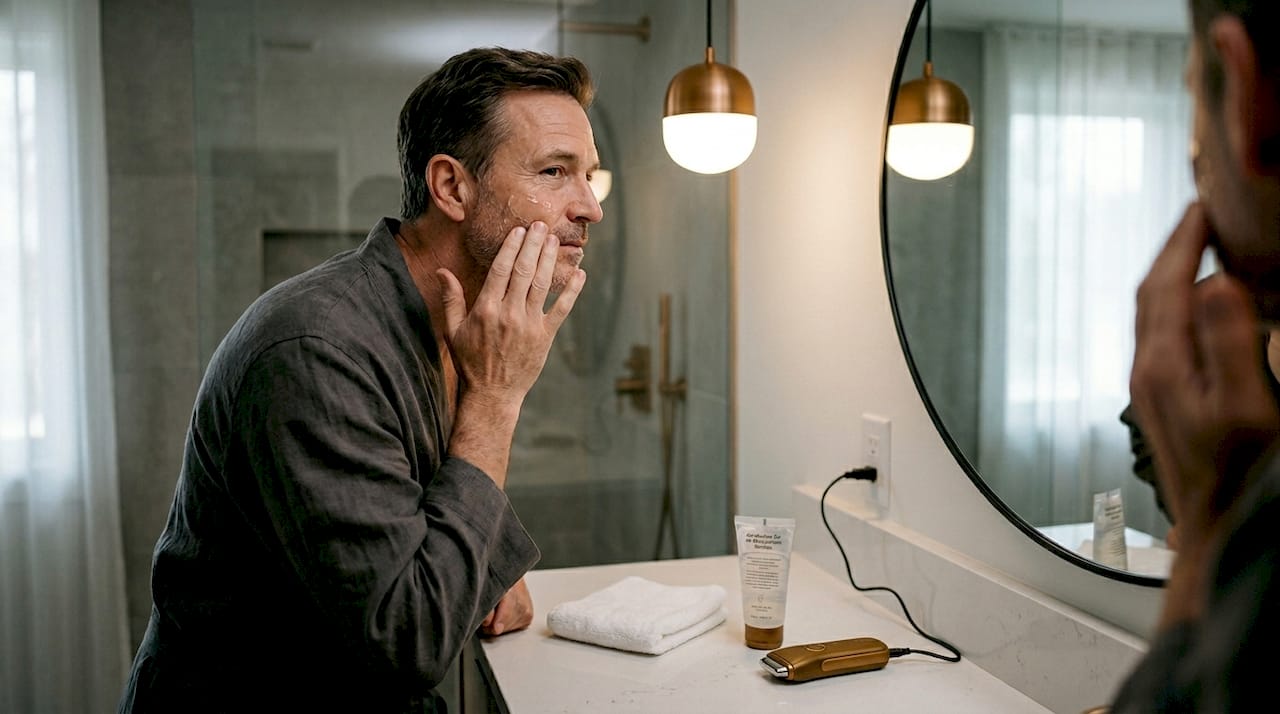
Conductive gel is not optional. Current conductivity depends on hydrated skin and an even layer of gel between the device and your face. Without it, current distributes unevenly, effectiveness drops, and you may feel unnecessary discomfort. Most devices recommend their own branded gels, but pure aloe vera gel works as an effective alternative.
Pro Tip: If you want to explore how microcurrent compares to other facial technologies before committing to a device, read through Glowera’s detailed breakdown of microcurrent skincare benefits.
Before you start: safety and preparation
Getting the preparation right is just as important as the treatment itself. Rushing into daily sessions without understanding your skin’s current condition or your own health profile can turn a useful tool into an irritating one.
Medical contraindications you must check first
Pacemakers, epilepsy, and pregnancy are firm contraindications for microcurrent use. The electrical current can interfere with implanted devices and may pose risks during pregnancy. If you have a history of seizures or use any implanted electrical device, speak to your physician before use.
Beyond those primary concerns, certain medications or skin conditions can increase sensitivity to microcurrent. Active acne, open wounds, rosacea flares, and recent cosmetic procedures such as Botox or fillers all warrant caution. When in doubt, a quick consultation with a dermatologist is time well spent.
Skin preparation before each session
- Remove all makeup and cleanse thoroughly. Residue from makeup or SPF products creates a barrier between the device and your skin.
- Apply conductive gel across the treatment area generously and evenly.
- Avoid using retinol, exfoliating acids, or active serums immediately before treatment, as these can make skin more reactive.
- Drink water beforehand. Well-hydrated skin conducts current more evenly.
Setting realistic expectations
You will not see dramatic results overnight. At-home anti-ageing microcurrent treatments are cumulative. Think of the first month as laying a foundation, the second month as building on it, and the third month as when results become genuinely visible to others. Most users following daily protocols notice improved firmness, reduced fine line depth, and lifted contour by weeks eight to ten.
Microcurrent devices are best thought of as long-term maintenance tools, not quick fixes. Experts recommend viewing them as a supplement to a well-rounded skincare routine rather than a standalone solution.
Step-by-step: how to use a microcurrent device properly
Following the right technique is where most people either succeed or fall short. The device does the science. You provide the method.
- Cleanse and prep your skin. Use a gentle cleanser to remove all traces of makeup, sunscreen, and excess oil. Pat dry but leave skin slightly damp.
- Apply conductive gel. Spread a generous layer over the area you plan to treat. Do not be sparing here. Even coverage is the goal.
- Turn the device to its lowest setting. Every new session should begin at the lowest intensity, especially when you are starting out. Your skin adapts over time, and you can increase intensity gradually across subsequent sessions.
- Work in smooth, upward strokes. Upward motions along key areas such as the jawline, cheeks, and forehead re-educate muscles in the direction you want them to sit. Never drag downward.
- Hold briefly at key points. On areas with concentrated fine lines such as the crow’s feet zone or the furrow between the brows, hold the device in place for two to three seconds before gliding onward.
- Treat each zone systematically. Work through the neck and jawline first, then cheeks and nasolabial area, then forehead and brow. Spending roughly two to three minutes per zone keeps sessions thorough without being exhausting.
- Rinse off gel residue and follow with your usual serums. Microcurrent temporarily increases product absorption, so applying a peptide serum or hyaluronic acid immediately after treatment gives those ingredients better penetration.
Treatment sessions typically run between 5 and 20 minutes, depending on your device and how many zones you cover. Most brands recommend daily use for the first 60 days, followed by two to three times per week as a maintenance schedule.
Pro Tip: Take a clear, well-lit photograph of your face before your first session and again every two weeks. Fine line changes are gradual, and without comparison photos most people underestimate how much their skin has actually improved.
If you want guidance on selecting a device before starting, Glowera’s guide to choosing a microcurrent device covers the key features to look for.
Troubleshooting and tracking your progress
Even with good technique, there are moments when results stall or discomfort arises. Knowing how to respond keeps you on track.
Signs you need to adjust your technique
- Persistent redness that lasts more than 30 minutes after a session
- Tingling that feels sharp rather than mild
- Skin that looks more irritated after each session rather than calmer
- Dryness or tightness that worsens over days of use
If any of these occur, reduce intensity and session frequency. Give your skin two to three rest days, then reintroduce treatment at the lowest setting.
What to do if results plateau
If progress appears to stall around week six or seven, do not abandon the routine. Consistent use over weeks maintains cellular activity, and discontinuing treatment leads to a gradual return toward baseline. Instead, examine whether your gel application is adequate, whether you are maintaining daily hydration, and whether your technique has drifted away from proper upward motions.
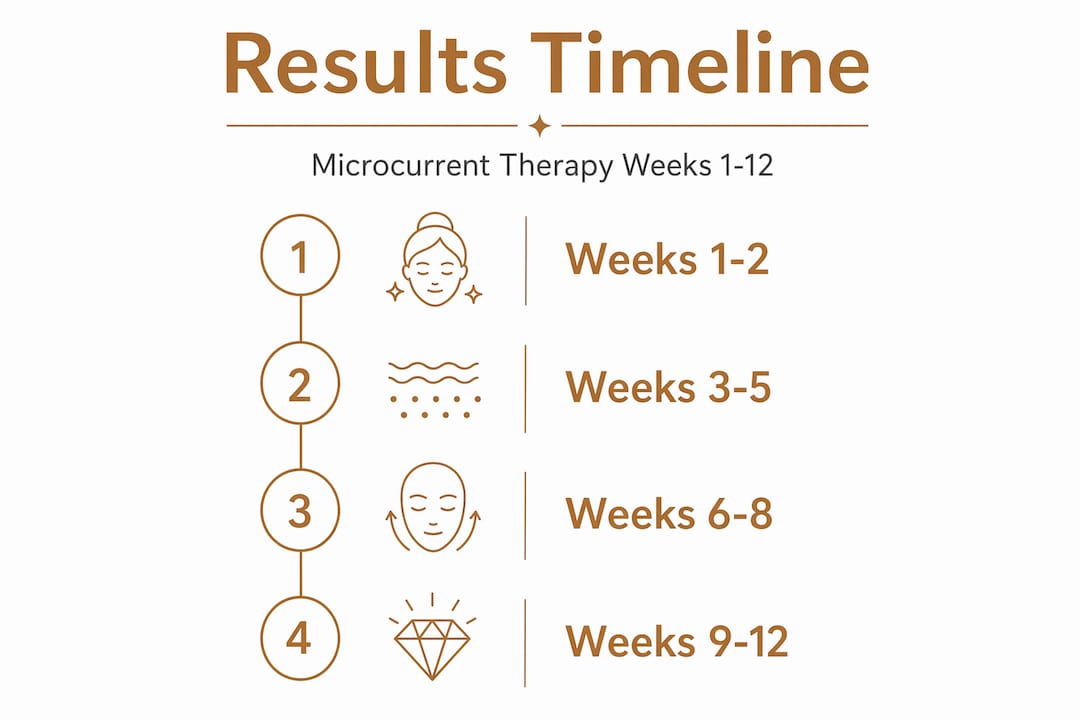
Progress tracking table
| Week | What to look for | Common challenge |
|---|---|---|
| 1 to 2 | Improved skin hydration and glow | Tingling discomfort on high settings |
| 3 to 4 | Subtle lifting around the jawline | Inconsistent use breaking momentum |
| 5 to 6 | Reduced depth of surface fine lines | Results plateau, motivation dips |
| 7 to 10 | Visible firming and contour improvement | Forgetting to photograph progress |
| 11 to 12 | Maintained results with maintenance schedule | Reducing frequency too quickly |
When microcurrent alone feels insufficient for deeper lines or significant laxity, combining it with professional treatments or adding LED light therapy at home is a sensible next step rather than expecting the device to do more than it is designed for.
Complementary practices that amplify your results
Microcurrent does not operate in isolation. What you do around your sessions shapes how much you get out of them.
The most evidence-backed pairing is with LED red light therapy. Microcurrent tones and re-educates muscles. Red light penetrates deeper skin layers to stimulate collagen and reduce inflammation. Used together, the two technologies address both structure and surface, which is why the combination delivers more noticeable rejuvenation than either alone. Glowera stocks a range of LED therapy devices that pair well with microcurrent treatments.
Daily sun protection is one of the most underrated parts of any anti-ageing protocol. UV exposure degrades collagen continuously, which means that without SPF, you are rebuilding with one hand and tearing down with the other.
Supporting ingredients that work synergistically with microcurrent include:
- Peptides: These signal fibroblasts to produce more collagen, reinforcing the same pathway microcurrent activates.
- Hyaluronic acid: Applied immediately after treatment, it capitalises on the temporarily increased absorption window.
- Niacinamide: Supports the skin barrier, which intensive daily treatments can occasionally compromise.
Beyond devices and products, three lifestyle habits have a genuine impact on skin quality. Adequate sleep, because most cellular repair occurs overnight. Sufficient hydration, because dehydrated skin responds poorly to microcurrent. And a diet with enough protein and antioxidants, because collagen synthesis requires amino acids and nutrients that cannot come from topical sources alone.
My honest take on at-home microcurrent therapy
I have spent years watching people either get excellent results from microcurrent devices or feel quietly disappointed, and the difference almost always comes down to expectations and commitment rather than the device itself.
In my experience, the best microcurrent device for wrinkles is the one you will actually use consistently. The most technically advanced model sitting on a shelf three days a week will underperform a mid-range device used faithfully every morning. The technology is real. The science behind ATP stimulation and fibroblast activation is legitimate. But it rewards discipline more than it rewards spending.
What I have found genuinely useful is positioning microcurrent as a maintenance tool rather than a corrective one. If you are in your 30s and early 40s and your concerns are still in the fine line stage, you are in the ideal window for this technology. If you are dealing with significant sagging or deep structural changes, microcurrent can improve tone and texture meaningfully, but it works best alongside, not instead of, professional intervention.
The most common misconception I see is treating a missed day as a failure. Microcurrent routines bend. What they do not do well is break completely. Restart quickly, keep the long arc in mind, and let the cumulative effect do what it is designed to do.
— Adam
Explore Glowera’s microcurrent range
If you are ready to start reducing fine lines with a trusted at-home device, Glowera brings together the brands that consistently deliver results. The curated microcurrent devices collection includes devices from NuFACE, Foreo, and Medicube, covering everything from beginner-friendly options to more advanced tools for experienced users. For those wanting to pair microcurrent with red light therapy, Glowera’s LED skincare range has several complementary options. Every product ships within Saudi Arabia with expert support available to help you choose the right device for your skin concerns and goals. Browse the full beauty tech collection and find your starting point.
FAQ
What does a microcurrent device actually do for fine lines?
A microcurrent device delivers low-level electrical currents that stimulate fibroblasts, boosting collagen and elastin production to improve skin firmness and reduce the depth of fine lines over time.
How long before I see results from microcurrent therapy?
Most users notice visible improvement between weeks 8 and 12 with daily or near-daily use, as at-home devices accumulate structural skin changes gradually through consistent application.
Can I use a microcurrent device every day?
Yes, daily use is recommended for the first 60 days of treatment, after which a maintenance schedule of two to three sessions per week is typically sufficient to sustain results.
Is microcurrent safe for everyone?
No. Microcurrent is contraindicated for people with pacemakers, epilepsy, or during pregnancy. Anyone with implanted electrical devices or certain medical conditions should consult a physician before use.
What should I apply before using a microcurrent device?
Apply a generous, even layer of conductive gel or pure aloe vera gel to clean, makeup-free skin before every session, as this is required for the current to conduct properly and for the treatment to be effective.