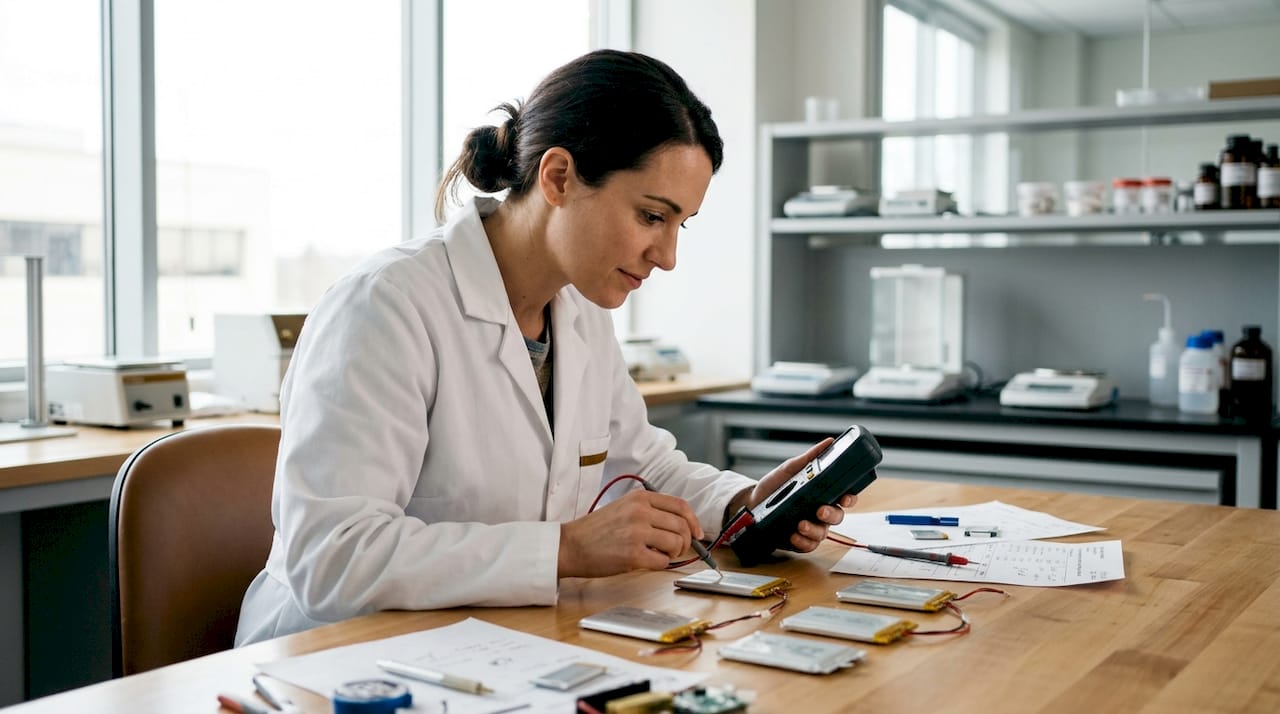
Beauty device data privacy is defined by the collection, storage, and use of biometric information that, unlike a password, cannot be reset once exposed. Facial geometry scans, skin health metrics, and heart rate readings are permanent identifiers. A breach does not just compromise an account. It compromises your face, for life. 82% of consumers want beauty personalisation, yet the same biometric facial mapping that delivers it creates a trust deficit that no patch can fix. Johnson & Johnson paid a $4.7 million settlement over the Neutrogena Skin360 tool’s improper facial geometry data collection, covering 11,000 class members. That case alone shows why beauty device data privacy matters far beyond a terms-and-conditions checkbox.
Why beauty device data privacy matters: what data is actually collected?
Beauty devices collect far more than a selfie. Modern tools gather facial geometry scans, skin hydration levels, sebum readings, heart rate, and in some wearable formats, sleep movement data. Each data point alone is sensitive. Combined, they create a profile that can re-identify you even from anonymised datasets.
The permanence of biometric data is the core problem. A leaked password gets changed in two minutes. A leaked facial geometry template stays with you permanently. Criminals or data brokers who obtain it can use it indefinitely, and there is no equivalent of a password reset for your face.
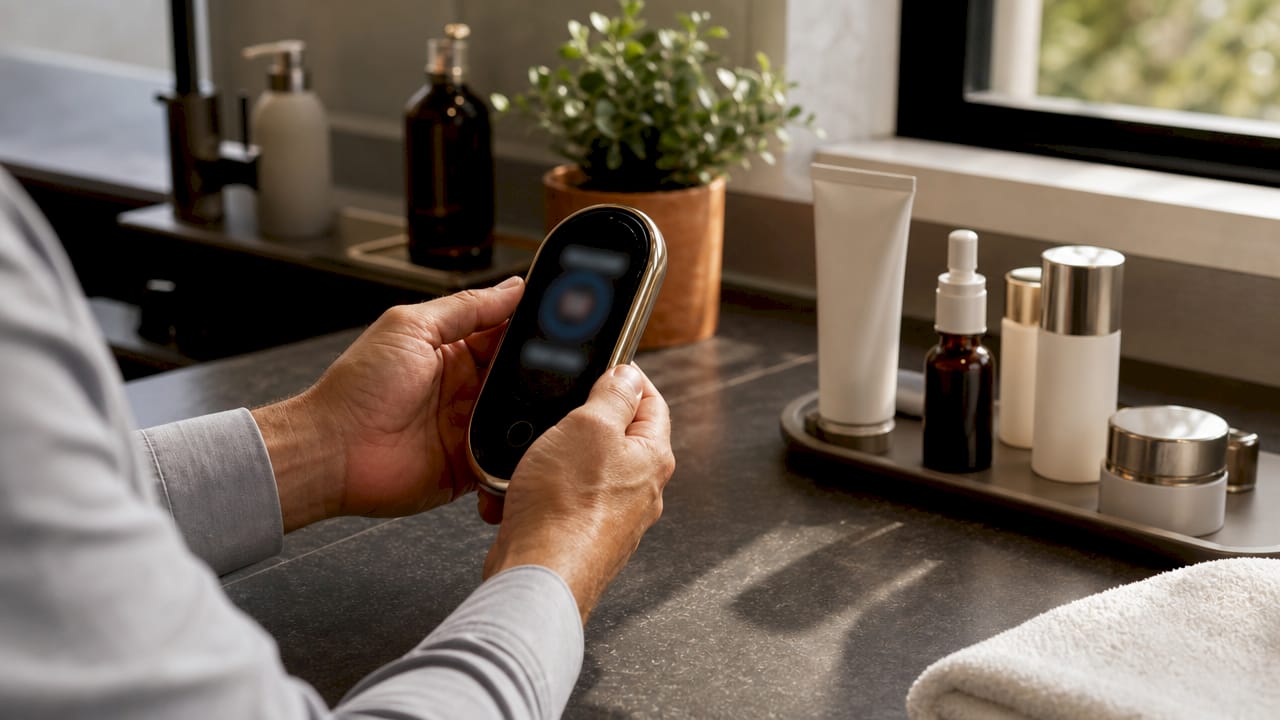
Data combinations amplify the risk further. When a beauty device links your facial scan to your purchase history, location data, and skin condition records, the resulting profile is rich enough for targeted fraud or identity theft. Researchers call this re-identification, and it is a well-documented threat in health and biometric data contexts.
Broad research opt-ins in privacy policies often permit third-party resale of aggregated biometric profiles. This means your skin health data could end up with insurers, advertisers, or data brokers without your active knowledge.
Pro Tip: Read every privacy policy section labelled “research” or “improvement”. These clauses frequently authorise data sharing far beyond what the device’s core function requires. Decline them wherever the app gives you the option.
Understanding how beauty devices use data at a technical level is the first step to making informed choices about which products you bring into your home.
How do privacy laws affect beauty device data handling?
Regulatory frameworks for biometric data are tightening, but they are uneven. Three legal structures shape how beauty brands must handle your data right now.
-
Illinois BIPA (Biometric Information Privacy Act). BIPA is the most litigated biometric privacy law in the world. It requires written consent before collecting facial geometry, mandates a public retention policy, and prohibits selling biometric data. The Neutrogena Skin360 settlement is a direct BIPA outcome. Any brand selling into Illinois, or collecting data from Illinois residents, faces class action exposure under this law.
-
GDPR (General Data Protection Regulation). Under GDPR, biometric data is a special category requiring explicit, granular consent. A single flaw in consent nullifies lawful data processing entirely, exposing brands to mass litigation. EU Regulation 2020/1828 expands the risk of class actions related to biometric and health data misuse, meaning a poorly worded consent form can trigger coordinated legal action across multiple member states simultaneously.
-
HIPAA does not apply. Many consumers assume beauty devices fall under medical data protection rules. They do not. HIPAA covers healthcare providers and their business associates. A beauty brand selling a skin analysis tool is not a covered entity under HIPAA, so your biometric data has no medical privacy protection by default.
Misunderstandings in AI beauty consent forms are now a recognised source of legal claims. Consumer attention limits conflict with the detailed data requirements that valid consent demands. Brands that bury data-sharing permissions in long documents face disputed consent validity in court. The practical implication for you as a consumer is clear. If you cannot understand what you are consenting to, that consent may not be legally sound, and the brand may be exposed to litigation as a result.
For a broader view of how GDPR compliance shapes AI-driven beauty personalisation, the regulatory picture is evolving quickly in 2026.
What are the technical risks of beauty device data privacy?
The technical architecture of a beauty device determines how much privacy risk you actually carry. Most consumers never see this layer, but it matters enormously.
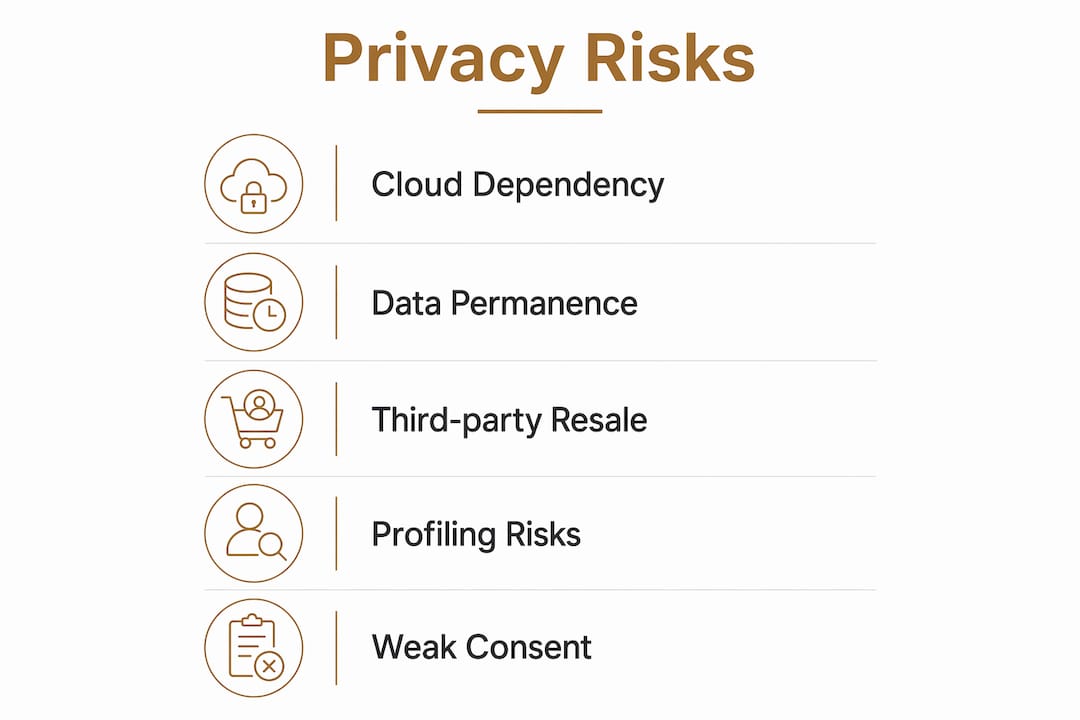
Cloud dependency is the biggest structural risk. Many beauty devices require cloud connectivity to function at all. Firmware locked to central server connections causes cloud-tethering, meaning the device cannot operate offline. Every scan, every reading, every session transmits data outward. You have no practical way to stop it without disabling the device entirely.
Facial reconstruction is a real threat. Neural network outputs from beauty apps contain enough detail to reconstruct detailed 3D face models. If a brand’s database is breached, those reconstructed biometric templates can be used to bypass facial recognition security locks on phones, banking apps, and building access systems. This is not a theoretical risk. It is a documented technical capability.
On-device processing is the gold standard. Devices that perform biometric analysis locally, without sending raw data to a cloud server, offer materially better privacy protection. The data never leaves your device. There is nothing to intercept in transit and nothing stored on a remote server that could be breached.
- Cloud-tethered devices transmit data on every use, with no offline mode available.
- Facial geometry outputs can be reverse-engineered into 3D models usable for identity fraud.
- On-device processing eliminates transit risk and remote storage exposure entirely.
- Devices with local processing still require scrutiny of their companion apps, which may upload data independently.
Pro Tip: If you are technically confident, network null-routing can block a device from sending data to the cloud while allowing it to continue operating locally. Assign the device a static IP on your router and redirect its traffic to a local loopback address. This gives you data sovereignty without losing device functionality.
How can consumers protect their privacy when using beauty tech?
Protecting your data does not require technical expertise. Most of the effective steps are decisions made before you even switch a device on.
- Check the data minimisation policy. A trustworthy brand collects only what the device needs to function. If the privacy policy lists data categories that have no obvious connection to the device’s purpose, treat that as a warning sign.
- Prioritise on-device processing. Choose devices that analyse skin locally rather than sending raw biometric data to a cloud server. This single choice eliminates the largest category of data exposure risk.
- Decline broad research opt-ins. When an app asks whether you consent to your data being used for “research and improvement”, decline. These catch-all opt-ins frequently permit third-party data resale. Opting out rarely affects device performance.
- Review app permissions actively. Beauty device companion apps often request access to location, contacts, and camera beyond what the device requires. Revoke permissions that serve no clear function.
- Check for data deletion rights. Under GDPR and BIPA, you have the right to request deletion of your biometric data. Confirm the brand has a clear, accessible process for this before you buy.
Understanding informed consent in beauty tech is also worth your time, particularly if you use devices that collect health-adjacent data like heart rate or sleep metrics.
The beauty tech market also intersects with beauty booking platforms, where legal compliance and user data privacy standards vary widely. Apply the same scrutiny to any platform that stores your biometric or skin health records.
Key takeaways
Beauty device data privacy matters because biometric data is permanent, legally sensitive, and technically vulnerable in ways that most consumers do not anticipate before purchase.
| Point | Details |
|---|---|
| Biometric data is permanent | Unlike passwords, facial geometry cannot be reset after a breach, making leaks uniquely damaging. |
| Consent flaws carry legal weight | A single GDPR consent error nullifies lawful processing and exposes brands to class action litigation. |
| Cloud-tethering increases exposure | Devices requiring cloud connectivity transmit data on every use, with no offline privacy option. |
| On-device processing is safer | Local biometric analysis eliminates transit risk and remote storage vulnerabilities entirely. |
| Broad opt-ins enable data resale | Research consent clauses frequently permit third-party sale of biometric profiles. Decline them. |
The privacy conversation beauty tech is not having
The industry talks endlessly about personalisation. It talks far less about what happens to the data that makes personalisation possible. I find that gap genuinely troubling.
The tension between AI-driven personalisation and genuine informed consent is not a technical problem. It is a design choice. Brands know that long consent forms go unread. They know that “research opt-in” language is ambiguous. The MAC AI privacy lawsuit made clear that courts are beginning to agree. Complexity in consent is not a neutral outcome. It is a risk transferred from the brand to the consumer.
What I think consumers need to hear plainly is this: the beauty tech sector is not regulated like healthcare, even when the data it collects is health-adjacent. That gap is where the real risk lives. Until regulators close it, the responsibility sits with you to ask harder questions before you scan your face into a device’s database.
The good news is that on-device processing exists and works. Brands that build it into their products have made a deliberate choice to prioritise your data sovereignty. That choice is worth rewarding with your purchase.
— Adam
Privacy-conscious beauty tech from Glowera
Choosing a beauty device should not mean choosing between results and privacy. Glowera curates a range of premium beauty tech devices for the Saudi Arabian market, with a focus on brands that meet rigorous quality and transparency standards.
Glowera’s catalogue includes microcurrent devices and LED therapy tools from internationally recognised brands, selected for both clinical performance and responsible data design. Each product listing includes clear technical specifications so you can assess data handling before you buy. Glowera also provides expert support to help you choose devices that match your skincare goals without compromising your personal data. Browse the full collection and make your next beauty tech purchase with confidence.
FAQ
What biometric data do beauty devices typically collect?
Beauty devices commonly collect facial geometry scans, skin hydration levels, sebum readings, and in some cases heart rate or sleep movement data. Combined, these data points create a permanent biometric profile that cannot be reset if leaked.
Does GDPR protect consumers from beauty device data misuse?
GDPR classifies biometric data as a special category requiring explicit consent. A single flaw in that consent process nullifies lawful data processing and exposes the brand to mass litigation under EU Regulation 2020/1828.
Why does beauty device data privacy matter more than general app privacy?
Biometric data collected by beauty devices is immutable. Unlike a compromised email password, a leaked facial geometry template cannot be changed, making breaches permanently damaging to identity security.
What is on-device processing and why does it matter for privacy?
On-device processing means biometric analysis happens locally on the device itself, without sending raw data to a cloud server. This eliminates transit interception risk and removes the possibility of a remote database breach exposing your data.
How can I tell if a beauty device’s privacy policy is trustworthy?
Look for clear data minimisation commitments, an explicit right to deletion, and the absence of broad “research and improvement” opt-ins that permit third-party data sharing. If the policy is difficult to read or understand, treat that as a meaningful warning sign.