Machine learning skincare apps are defined as data-driven tools that use computer vision and deep learning algorithms to assess skin health and generate personalised routines from a single smartphone photograph. The role of machine learning skincare apps extends far beyond novelty. These apps scan 6 to 14 core biomarkers including hydration, pore density, texture, hyperpigmentation, and redness, delivering results within 90 seconds. That speed and specificity was previously available only in a dermatologist’s clinic. Apps trained on large clinical image datasets, such as those built on 70,000 or more images, claim 95% test-retest reliability under controlled conditions. For anyone serious about personalised skincare technology, understanding how these tools work and where they fall short is the most useful thing you can do before downloading one.
How do machine learning skincare apps analyse skin?
The analysis process starts with a single high-resolution selfie. Consistent natural lighting is the single most important variable for accuracy. The app’s computer vision model then maps the image pixel by pixel, identifying biomarker patterns that the human eye cannot reliably detect. Understanding how beauty device apps analyse skin at this level helps you get far more from each scan.
The routine generation step is where machine learning in skincare becomes genuinely useful. After biomarker scoring, the algorithm cross-references your skin profile against its product and ingredient database. It then produces AM and PM recommendations tailored to your specific readings, not a generic skin type. Personalised AM/PM routines built this way are meaningfully different from the “oily skin” or “dry skin” categories found on most product packaging.

Progress tracking is the feature most people underuse. Scanning consistently for 3 to 6 months allows the app to establish a baseline and show measurable change over time. A single scan gives you a snapshot. A series of scans gives you a trend. The trend is what actually tells you whether your routine is working.
The steps below cover the practical setup for reliable scans:
- Clean your face and wait 30 minutes before scanning. Residual product distorts hydration and texture readings.
- Position yourself near a window in indirect daylight. Avoid overhead artificial lighting, which creates shadows that skew pore density scores.
- Hold the camera at eye level, roughly 30 centimetres from your face. Angle changes alter how the model reads surface texture.
- Scan at the same time of day each session. Skin hydration fluctuates across the day, so morning scans and evening scans are not directly comparable.
- Clean your camera lens before each scan. Smudges reduce image resolution and lower the reliability of every biomarker reading.
Pro Tip: Set a recurring calendar reminder for your weekly scan at the same time and in the same spot in your home. Consistency in environment matters as much as consistency in frequency.
What advanced features do modern AI skincare apps offer?
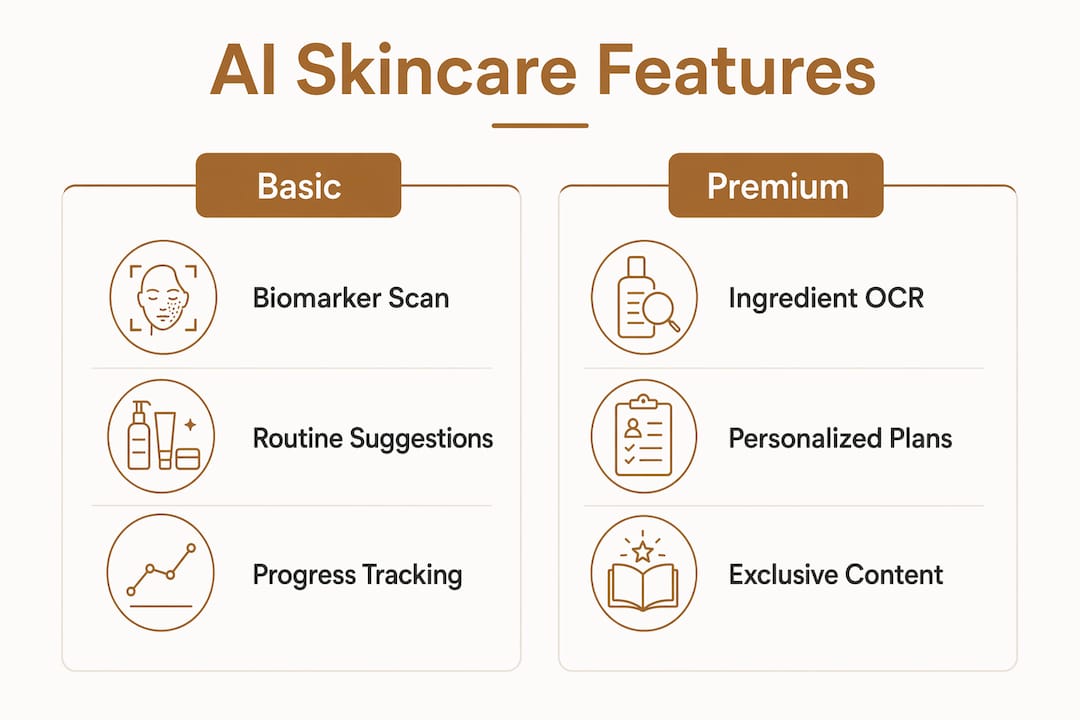
The most practically useful advanced feature is Optical Character Recognition for ingredient label scanning. Leading AI apps integrate OCR to read product labels, cross-reference ingredients against your skin profile, and flag potential allergens or comedogenic compounds automatically. This removes much of the trial and error from buying new products. Some apps generate a “fit score” showing how well a product suits your specific biomarker profile.
Beyond ingredient scanning, modern apps offer a range of features that support long-term habit building:
- Symptom diaries: Log flare-ups, environmental changes, or new products to identify patterns the algorithm alone cannot detect.
- Streak tracking: Daily or weekly check-in streaks reinforce routine consistency, which is the single biggest predictor of visible skin improvement.
- History timelines: Visual before-and-after comparisons of biomarker scores over weeks or months.
- Allergen and conflict alerts: Automatic warnings when two products in your routine contain ingredients known to interact negatively.
Most apps follow a freemium model. Basic biomarker scanning is typically free. Advanced features such as OCR ingredient analysis, conflict detection, and detailed history tracking sit behind a subscription. Subscription costs range from $4.99 to $10 per month for premium tiers. That pricing sits well below a single dermatologist consultation, which makes the value case straightforward for regular users.
| Feature | Basic (free) | Premium (paid) |
|---|---|---|
| Biomarker scan | Yes | Yes |
| AM/PM routine suggestions | Limited | Full, personalised |
| OCR ingredient scanning | No | Yes |
| Allergen and conflict alerts | No | Yes |
| History and progress tracking | 30 days | Unlimited |
| Symptom diary | No | Yes |
Pro Tip: Before subscribing, use the free tier for four weeks to establish whether you will actually scan consistently. A subscription only adds value if you use the tracking features regularly.
What are the benefits and limitations of skincare analysis apps?
The clearest benefit of AI skincare apps is objectivity. Human self-assessment of skin is notoriously unreliable. We notice what we expect to see and miss gradual change. An app measuring the same biomarkers under the same conditions removes that subjectivity. Expert dermatologists view AI apps as tools that bridge subjective user observations and objective clinical assessments, improving communication during consultations.
The benefits of skincare AI extend to product safety. Ingredient conflict detection and allergen alerts give you information that most product labels do not. AI-powered systems can assess skin type, scan ingredient safety profiles, and align recommendations with dermatology standards. That capability is particularly useful for people with reactive skin who spend significant money on products that turn out to be unsuitable.
The limitations are real and worth stating plainly. Machine learning models face challenges with data bias, which affects accuracy across diverse skin tones. An app trained predominantly on lighter skin tones will produce less reliable readings for deeper complexions. Transparency about training data and algorithmic logic is not yet standard across the industry. Users should actively look for apps that publish their data sources and explain how recommendations are generated.
AI skin scores are trend indicators, not medical diagnoses. Treat a rising hydration score as a positive signal, not a clinical finding. If your skin is reacting badly, consult a dermatologist regardless of what the app reports.
A few common pitfalls are worth avoiding:
- Relying solely on AI recommendations without manually checking ingredient compatibility for your known sensitivities.
- Comparing scores across different apps, as each uses its own scoring scale and biomarker weighting.
- Treating a single high score as confirmation that a product is safe for you personally. Even highly-ranked products may contain fragrances or preservatives that cause irritation for certain people.
Though many apps claim 95% accuracy, real-world reliability varies with camera angle, lens cleanliness, and lighting. The accuracy figure reflects controlled lab conditions. Your bathroom does not replicate those conditions exactly, which is why treating scores as relative guides rather than fixed ratings is the correct approach.
How are AI skincare apps reshaping the skincare retail experience?
Personalised skincare guidance was once available only through a dermatologist appointment or a high-end spa consultation. AI apps transform skincare retail by delivering that level of personalisation at scale, factoring in climate, lifestyle, and individual biomarker data simultaneously. The consumer expectation has shifted as a result. People now expect product recommendations to reflect their actual skin, not a demographic average.
The most advanced apps are moving towards what researchers describe as holistic product-service systems. These combine computer vision for biomarker analysis, natural language processing for ingredient database queries, and environmental data such as local humidity and UV index. The result is a routine that adapts to where you live and how your skin responds to seasonal change. Smart beauty device sensors are increasingly integrated into this ecosystem, feeding real-time skin data back to the app.
Consumer demand for ethical and allergen-free product information is also growing. AI systems that can assess ethical and safety profiles of ingredients, including vegan status and cruelty-free certification, are responding to that demand directly. This moves skincare AI from a novelty into a genuine decision-support tool for conscious consumers.
The table below shows the key shifts AI is driving in the skincare retail experience:
| Dimension | Before AI apps | With AI apps |
|---|---|---|
| Routine personalisation | Generic skin type categories | Individual biomarker-based recommendations |
| Ingredient safety | Manual label reading | Automated OCR conflict detection |
| Progress tracking | Subjective self-assessment | Objective scored biomarker trends |
| Product discovery | Brand marketing | Fit-score-based matching |
| Access to expertise | Clinic or spa appointment | Smartphone, any time |
Key takeaways
Machine learning skincare apps deliver genuine value when used consistently and interpreted correctly, but they supplement rather than replace professional dermatological care.
| Point | Details |
|---|---|
| Biomarker scanning is fast and specific | Apps assess up to 14 skin markers in under 90 seconds, far exceeding what self-assessment can detect. |
| Consistency drives accuracy | Scanning weekly in the same lighting conditions over 3 to 6 months produces reliable trend data. |
| OCR ingredient analysis adds real safety value | Automated allergen and conflict alerts reduce costly trial and error with new products. |
| Data bias is a known limitation | Apps trained on limited demographic datasets produce less reliable results for diverse skin tones. |
| Scores are guides, not diagnoses | Treat biomarker scores as relative trend indicators and consult a dermatologist for clinical concerns. |
Why I think most people are using these apps wrong
The technology behind machine learning skincare apps is genuinely impressive. What I find frustrating is how few people use it correctly. Most download an app, scan once, read the routine suggestions, and then either follow them blindly or dismiss the whole thing as gimmicky. Both responses miss the point entirely.
The real value is in the trend data. A single scan tells you almost nothing useful. A scan taken every week for three months, under consistent conditions, tells you whether your current routine is actually improving your skin or simply maintaining it. That is information most people have never had access to before, and it changes how you make product decisions.
I am also cautious about the ingredient conflict detection feature, despite being enthusiastic about it in principle. Manual verification of ingredient compatibility remains necessary because personal sensitivities are often more specific than any algorithm can currently capture. The app might clear a product as safe for your skin profile while missing a fragrance compound that you personally react to. Use the conflict alerts as a first filter, not a final answer.
The most exciting development to watch is greater algorithmic transparency. The apps that will earn long-term trust are those that show you why a recommendation was made, not just what it is. Until that becomes standard, I recommend pairing any AI skincare routine with at least one annual dermatologist consultation. The app tracks the data. The dermatologist interprets what it means for your health.
— Adam
Glowera’s beauty tech devices for your AI-informed skincare routine
Once your AI skincare app has identified your skin’s specific needs, the right devices can make your routine significantly more effective.
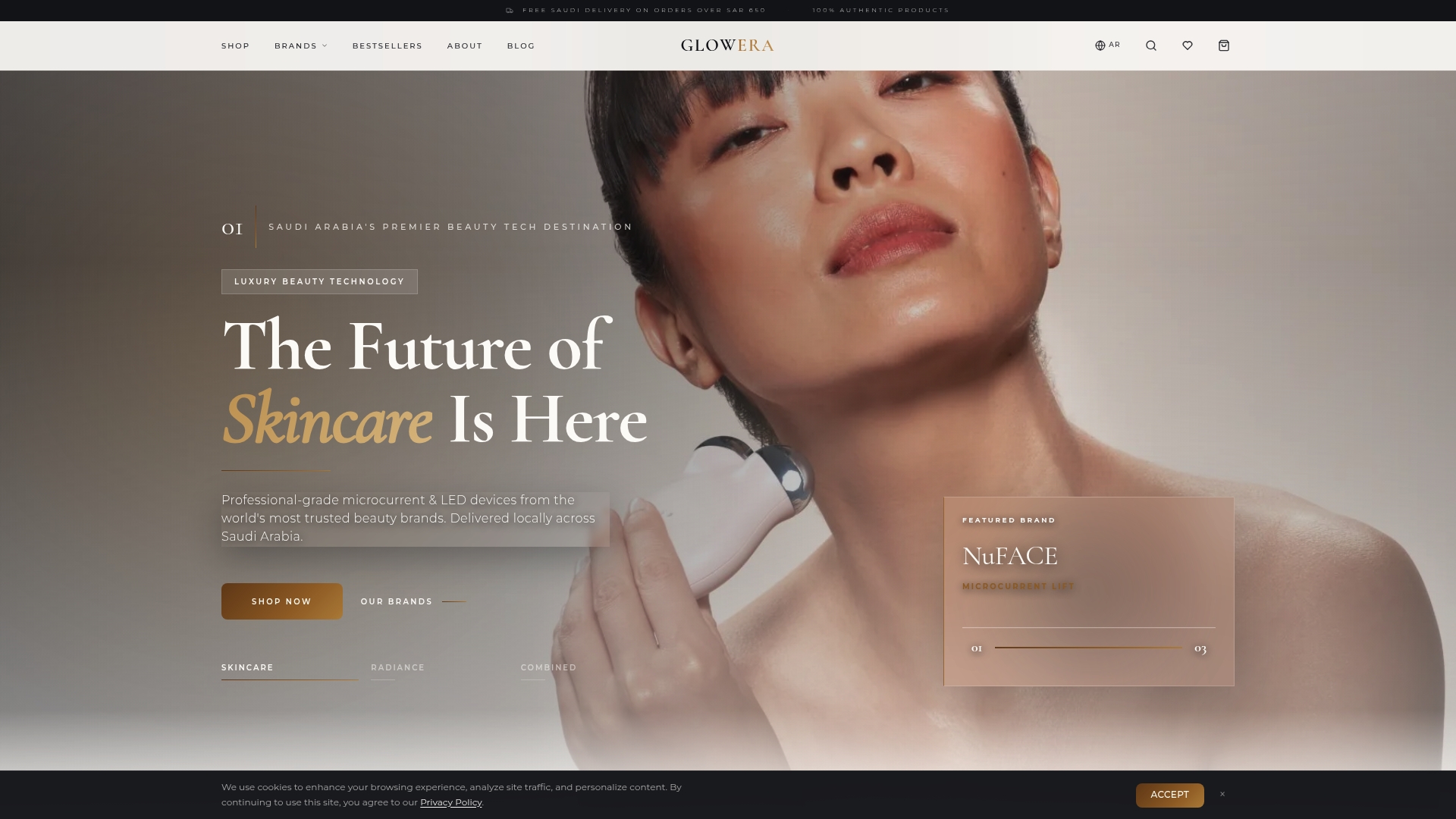
Glowera stocks a curated range of professional-grade beauty tech devices designed for at-home use, including microcurrent facial devices for toning and lifting, and LED light therapy masks for targeted skin repair. If your app flags concerns around skin texture or dullness, these devices address those biomarkers directly. Glowera delivers across Saudi Arabia with expert support included. Browse the full Glowera beauty tech collection to find devices that match what your skin data is telling you.
FAQ
What does a machine learning skincare app actually do?
A machine learning skincare app uses computer vision to scan your skin from a smartphone photograph, measuring biomarkers such as hydration, pore density, texture, and hyperpigmentation. It then generates personalised AM and PM routine recommendations based on those readings.
How accurate are AI skincare apps?
Apps trained on large clinical datasets claim up to 95% test-retest reliability under controlled conditions, but real-world accuracy varies with lighting, camera angle, and lens quality. Treat scores as trend indicators rather than fixed clinical measurements.
Can an AI skincare app replace a dermatologist?
No. AI skincare apps supplement professional care by providing objective tracking data and routine guidance, but they are not diagnostic tools. Dermatologists endorse AI for enhanced monitoring while cautioning against using it as a sole source of skin health decisions.
What is OCR ingredient scanning in skincare apps?
OCR, or Optical Character Recognition, allows the app to read a product’s ingredient label through your camera and automatically cross-reference those ingredients against your skin profile, flagging allergens or comedogenic compounds before you buy.
How long does it take to see results from using a skincare app?
Consistent scanning over 3 to 6 months is recommended to establish a reliable baseline and observe measurable improvement in biomarker scores. Single scans provide a snapshot but cannot show whether your routine is working over time.