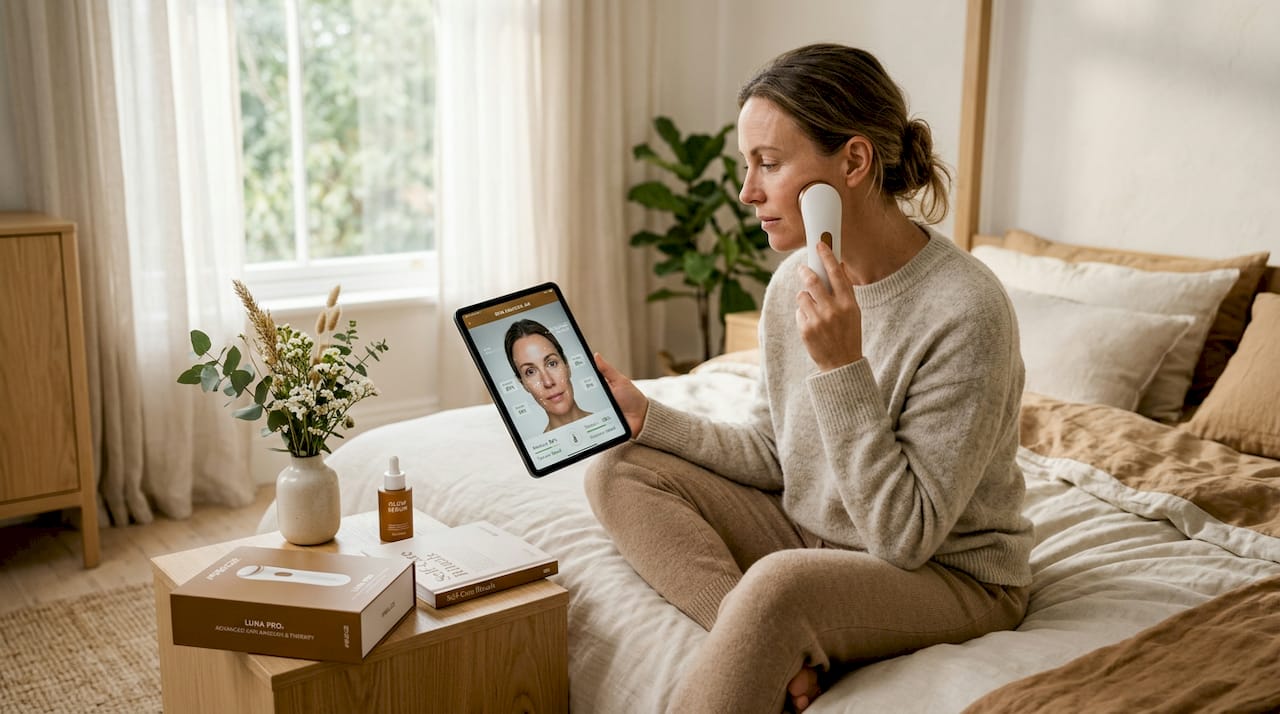
Most people assume the hardest part of buying a beauty device is choosing the right one. In reality, what is after-sales service for beauty devices often matters more than the purchase itself. The technology you invest in, whether a microcurrent facial tool or an LED therapy mask, needs ongoing support to perform safely and effectively. Yet after-sales service is routinely overlooked by consumers until something goes wrong. This article breaks down what it actually covers, why it protects your skin as much as your wallet, and how to use it properly before you ever need to.
Table of Contents
- Key takeaways
- What after-sales service for beauty devices includes
- Why safety depends on strong after-sales support
- Comparing warranties and service plans
- Practical steps to get the most from your after-sales service
- My perspective on where after-sales service really matters
- Glowera’s approach to beauty tech support
- FAQ
Key takeaways
| Point | Details |
|---|---|
| After-sales service is broad | It covers technical support, warranty repairs, returns, maintenance advice, and follow-up guidance. |
| Safety depends on proper servicing | Faulty devices affecting the skin should be replaced or refunded, not repeatedly repaired. |
| Warranty terms vary widely | Coverage periods, exclusions, and support channels differ significantly between brands and sellers. |
| Documentation protects your rights | Photographing faults and keeping communication records strengthens any claim or dispute. |
| Brand choice affects service quality | Buying from verified sellers with official warranty policies reduces risk of misleading coverage. |
What after-sales service for beauty devices includes
After-sales service is everything a brand or retailer provides after you complete a purchase. For beauty devices, that definition stretches further than most consumers expect. Structured after-sales programmes cover onboarding, troubleshooting, repairs, warranty claims, software updates, and follow-up support to keep devices performing as intended.
Here is what that typically looks like in practice for beauty and skincare tools:
- Technical support and troubleshooting: Guidance on settings, usage frequency, and resolving errors. This is particularly relevant for devices with multiple intensity levels, such as microcurrent or radio frequency tools.
- Warranty repairs and replacements: Repairs carried out within the warranty period at no charge, or device replacement if the fault cannot be resolved.
- Returns and refund policies: A defined window in which you can return a device if it is defective or not fit for purpose.
- Maintenance advice and software updates: Cleaning instructions, replacement head schedules, and firmware updates for app-connected devices.
- Follow-up care guidance: Post-purchase tutorials or consultations on how to use your device correctly for best results.
Well-structured after-sales programmes can increase customer lifetime value by 20 to 30 per cent. That figure reflects the difference between a one-time buyer and someone who trusts a brand enough to purchase repeatedly.
Pro Tip: Register your device with the manufacturer immediately after purchase. Many brands only activate full warranty protection once registration is complete, and skipping this step can leave you without coverage when you need it most.
For a useful overview of different facial skincare devices and their care requirements, it helps to understand what each technology demands before committing to a purchase.
Why safety depends on strong after-sales support
This is where after-sales service becomes genuinely serious. Beauty devices are not passive products. They emit heat, electrical current, light energy, or mechanical vibration directly onto skin. A malfunctioning device is not just an inconvenience. It is a potential safety risk.
“When a device issue risks skin safety or recurs following a repair attempt, consumers should request a replacement or full refund rather than continuing to use the device.” Repairing faulty beauty tools requires knowing when repair is no longer the right answer.
Brands offering expert-access after-sales support, including licensed aestheticians or certified technicians, provide a meaningfully higher level of safety assurance, especially for professional-grade at-home devices. If a repair is needed, it should always be carried out by an authorised service provider. Unauthorised repairs can void your warranty and introduce new risks that were not present in the original fault.
What many consumers do not realise is that documented repair history matters. If a device has been repaired twice for the same fault, that pattern is legally relevant in most consumer protection frameworks. Keeping a record of every fault report, service interaction, and repair outcome protects you if you later need to escalate a claim. It also signals to the brand that a systemic product fault may exist, which can trigger recalls or improved product revisions.

Pro Tip: If your device causes any unexpected skin reaction, stop using it immediately and photograph the affected area alongside the device settings you used. This information is critical if you need to raise a safety complaint or request a replacement.
The role of after-purchase care for beauty products goes far beyond fixing what breaks. It maintains a layer of safety between you and technology that sits directly on your face or body.
Comparing warranties and service plans
Not all warranties are created equally, and understanding the differences before you buy can save considerable frustration later.
Standard warranty durations
Most consumer beauty devices come with a 12 to 24 month manufacturer’s warranty. Professional-grade at-home devices sometimes extend this to 36 months. The key is not just the length, but what the warranty actually covers.
| Warranty type | Typical duration | What it usually covers | Common exclusions |
|---|---|---|---|
| Standard manufacturer | 12 to 24 months | Manufacturing defects, component failure | Physical damage, water damage, misuse |
| Extended warranty | Up to 36 months | As above, often with additional repair credits | Cosmetic wear, consumable parts |
| On-site support plan | Varies | Technician visits, faster resolution | Remote-only issues, software queries |
| Remote support only | Included with most | Phone, chat, email troubleshooting | Physical faults requiring hands-on repair |
On-site support can cost 25 to 40 per cent more than remote-only plans, but for high-frequency users it significantly reduces the risk of prolonged device downtime. For most at-home users, remote support combined with a clear returns policy is sufficient.
When evaluating warranties, watch for these common pitfalls:
- Warranties that activate only from the manufacture date, not the purchase date, shortening your effective coverage
- Coverage that excludes “consumable” parts such as replacement heads or probes, which are often the components that wear out first
- Policies that require you to return a device at your own cost for assessment before any claim is processed
- Misleading warranty claims from secondary or white-label sellers who advertise longer coverage than the official brand policy actually provides
Beauty device buyers are increasingly prioritising warranty terms and response times over initial purchase price. That shift reflects a more informed consumer who understands that the upfront cost is only part of the total value equation.
Practical steps to get the most from your after-sales service
Knowing that after-sales service exists is not enough. You need to use it well when the time comes.
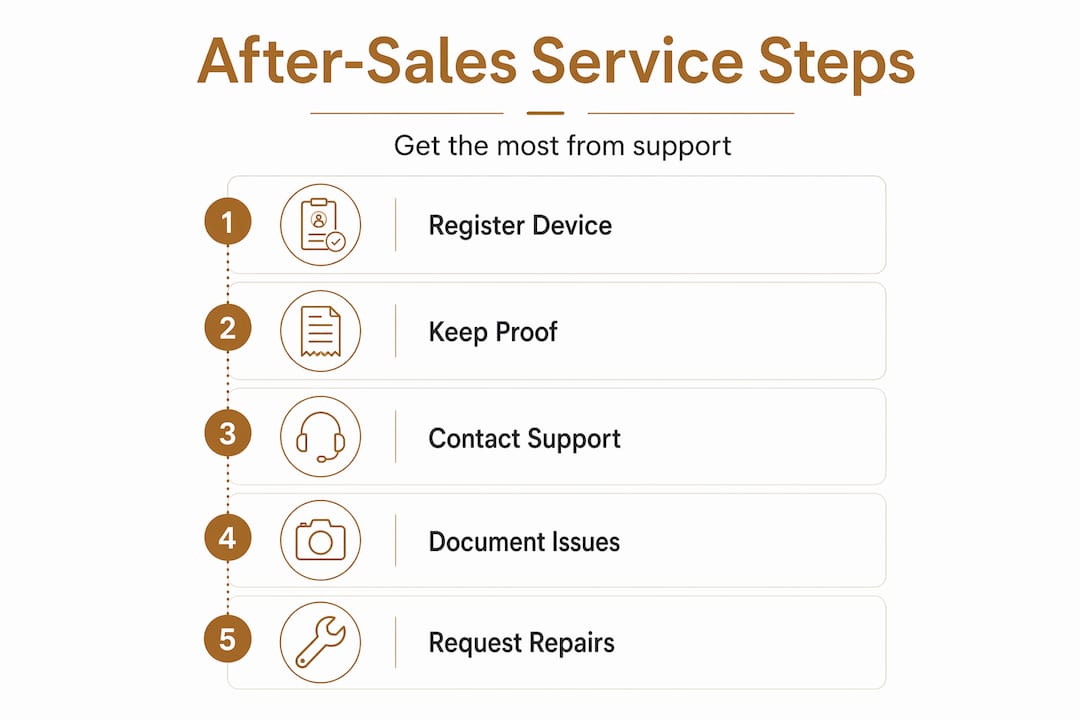
- Register your device immediately. Full warranty activation frequently requires registration. Do it within the first week of ownership.
- Read the warranty document before you need it. Understand the claims process, response time commitments, and what documentation is required.
- Photograph or video the fault as soon as it appears. A timestamp matters. Capturing faults with timelines and photos is the single most effective way to protect your consumer rights.
- Contact support through official channels only. Avoid third-party repair services that are not authorised. Use the brand’s website or verified retailer contact details.
- Keep a service log. Note every interaction, including date, name of the support agent if given, and outcome. Reviewing this log annually helps you track warranty performance and catch approaching expiry dates.
- Escalate if a repair recurs. If the same fault reappears after servicing, you are likely entitled to a replacement or refund under consumer protection law in most markets, including Saudi Arabia.
Pro Tip: When contacting customer service for a beauty device, lead with your proof of purchase, device serial number, and a brief fault description. Agents resolve claims faster when you arrive prepared rather than waiting for them to gather this information from you.
Avoid purchasing from sellers who cannot confirm official brand affiliation. The short-term price saving rarely compensates for the absence of genuine after-purchase care for beauty products when a fault arises.
My perspective on where after-sales service really matters
I’ve spent years speaking with beauty tech users who treated their device purchase as the end of the transaction rather than the beginning of a relationship with a product. It’s a mistake I understand, but one I’ve seen cause real frustration.
What I’ve learned is that consumers consistently underestimate how much their skincare routine depends on a device working correctly every single time. When a LED mask stops functioning properly or a microcurrent tool delivers inconsistent output, the consequences are not just inconvenience. They affect skin results, user confidence, and sometimes safety.
My honest take is that the beauty device market has matured enormously in recent years, but after-sales support has not kept pace at every price point. Premium brands tend to have properly trained support teams who understand their technology. Budget options often do not. That gap is not always reflected in price, which is why I always recommend reading reviews that specifically mention customer service and warranty experiences, not just device performance.
What I’ve also found is that after-sales service is genuinely a competitive differentiator, and the best brands know it. Choosing a brand with a documented, transparent support structure is not being overly cautious. It is being a sensible buyer in a product category where the stakes involve your skin.
— Adam
Glowera’s approach to beauty tech support
At Glowera, after-sales service is built into every purchase from the start, not added as an afterthought. Every device on the platform comes from verified international brands, backed by authentic warranties and local Saudi Arabia delivery.
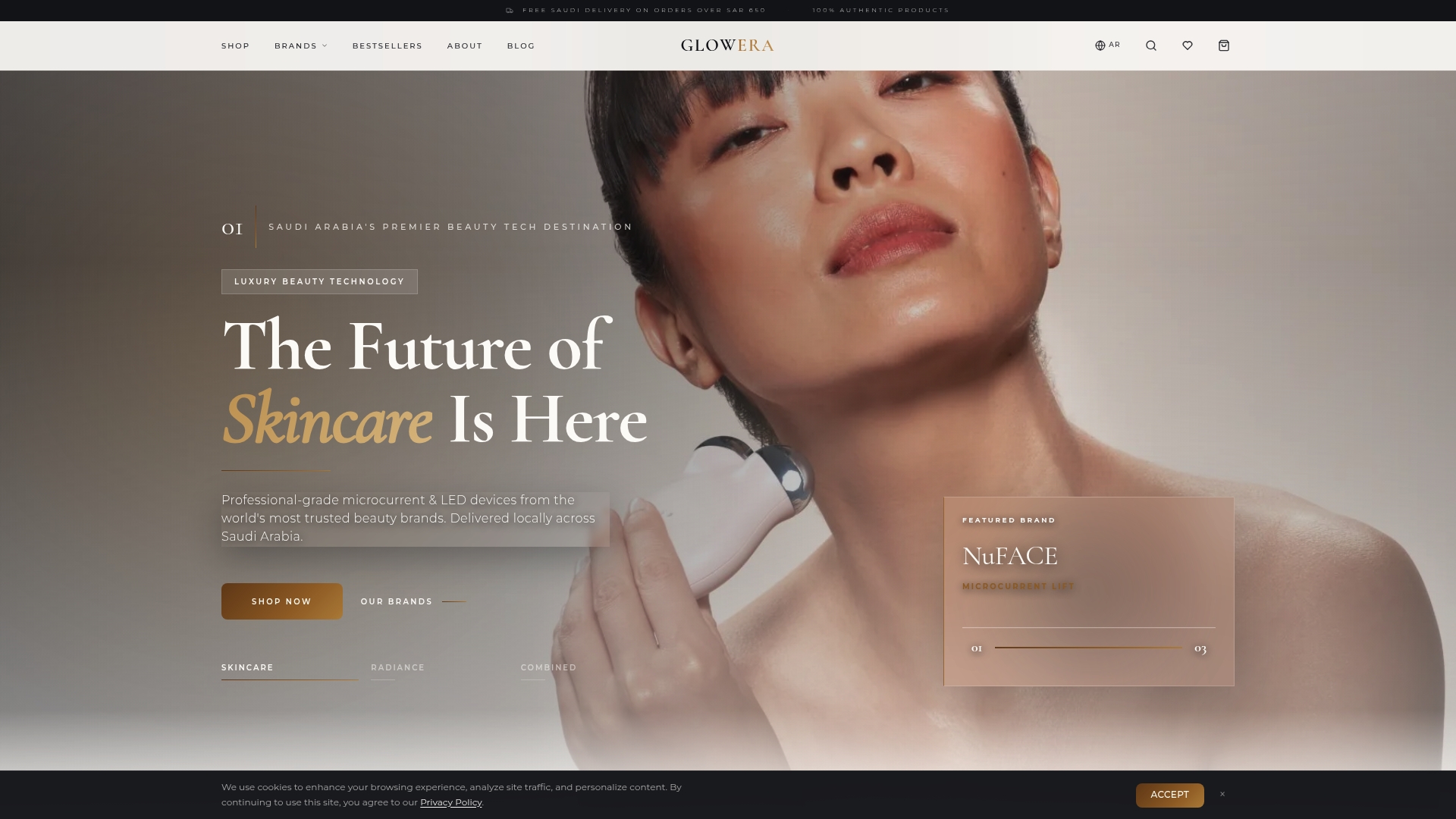
Whether you are investing in a K-beauty skincare device or exploring a premium microcurrent tool, Glowera provides expert guidance on how to use your device correctly, access to maintenance tips, and responsive customer support if issues arise. The platform’s curated range prioritises brands with proven after-sales track records because your results depend on your device working reliably, not just on the day it arrives. Explore the full range at Glowera and purchase with confidence knowing that your investment includes the support structure it deserves.
FAQ
What does after-sales service include for beauty devices?
After-sales service for beauty devices typically covers technical support, troubleshooting, warranty repairs, returns, maintenance guidance, and follow-up care. Effective programmes also include onboarding support to help you use your device correctly from the start.
How long does a warranty for a beauty device usually last?
Most consumer beauty devices carry a 12 to 24 month manufacturer’s warranty, with some professional-grade tools extending to 36 months. Coverage varies significantly, so always check what is included and excluded before purchasing.
What should I do if my beauty device develops a fault?
Photograph the fault immediately, note the date and settings used, and contact the brand’s official support channel with your proof of purchase and device serial number. Timely documentation significantly strengthens your claim for a repair, replacement, or refund.
When should I request a replacement instead of a repair?
Request a replacement if the same fault recurs after a repair, or if the device poses any risk to skin safety. Consumer protection frameworks in most markets, including Saudi Arabia, support replacement or refund rights in these circumstances.
Are extended warranties worth buying for beauty devices?
Extended warranties are worthwhile for high-value or high-frequency-use devices where downtime would genuinely disrupt your skincare routine. For mid-range devices with reliable brand warranties, the standard coverage is often sufficient if you purchase from a verified seller.