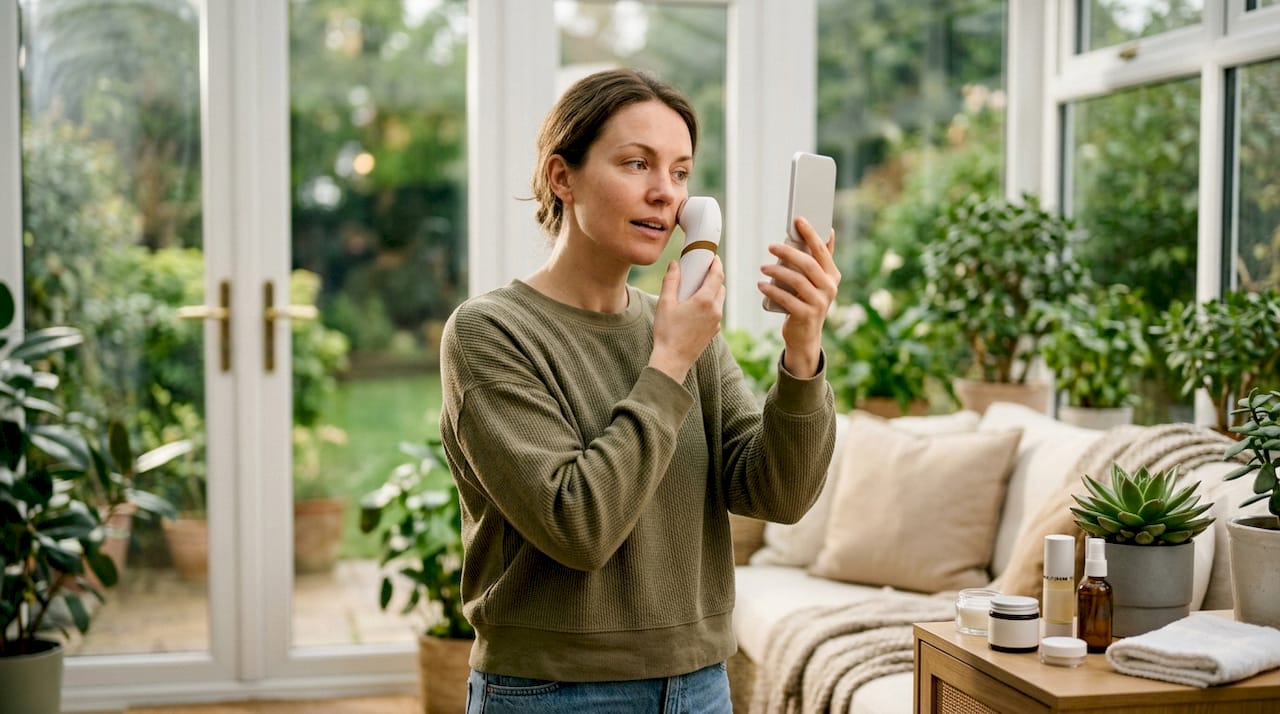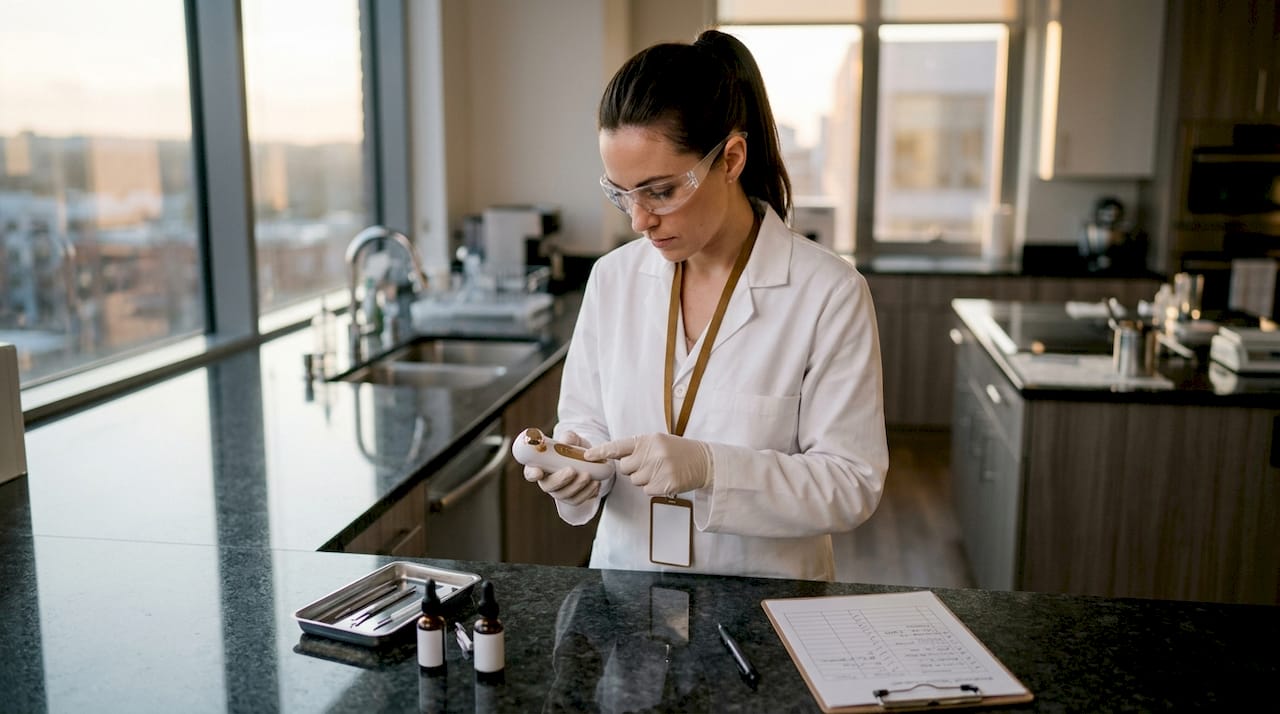
Measuring beauty device treatment effectiveness is defined as the systematic tracking of objective skin parameters, such as elasticity, hydration, wrinkle depth, and pore size, across a controlled period of consistent device use. The industry standard term for this process is clinical efficacy assessment, and it applies equally to professional clinic settings and at-home protocols. Without a structured approach, you cannot distinguish genuine skin improvement from placebo effects, seasonal skin changes, or the temporary glow that follows any new skincare routine. This guide gives you the tools, testing frameworks, and interpretation methods to assess treatment outcomes with real confidence.
What are the key metrics and tools to measure beauty device treatment outcomes?
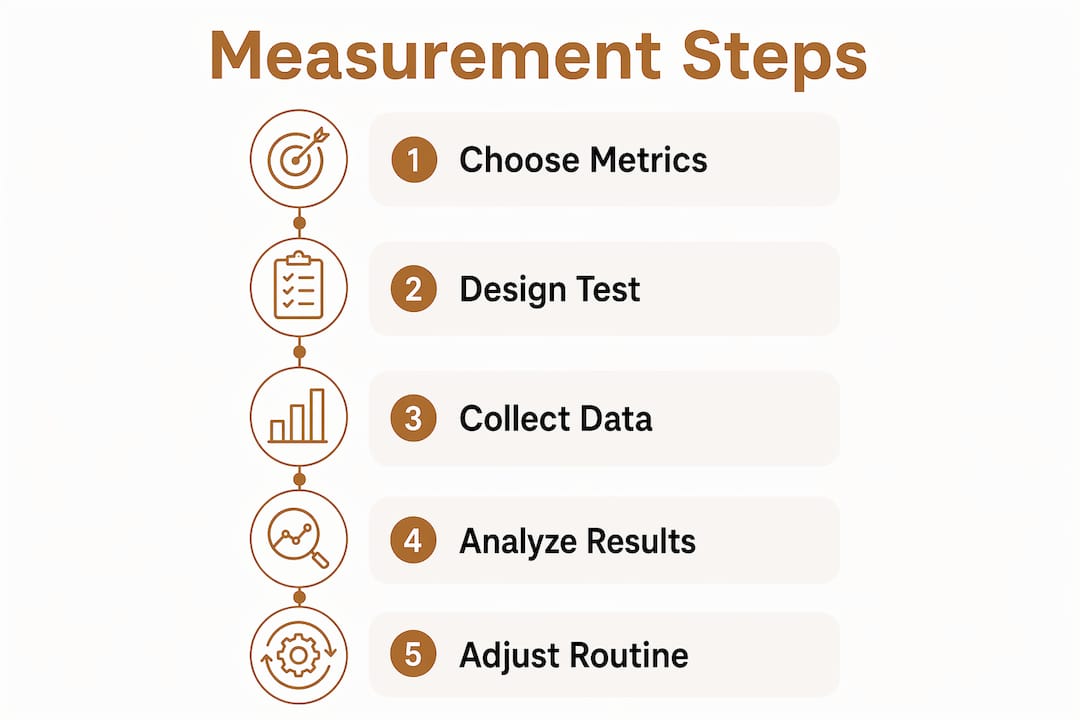
Skin efficacy assessment begins with choosing the right parameters to track. The four most clinically relevant metrics for at-home beauty devices are skin elasticity, hydration, wrinkle depth, and pore size. Each responds to treatment at a different rate, so tracking all four gives you a fuller picture of what your device is actually doing.
Skin elasticity is measured with a cutometer, a device that applies suction to the skin and records how quickly it springs back. Clinical studies use cutometric tests to confirm device performance. For example, microcurrent radiofrequency treatments improved skin elasticity by 22.51% over 90 days in a controlled study of 30 participants. That figure tells you elasticity changes are real but require months of consistent use to become measurable.
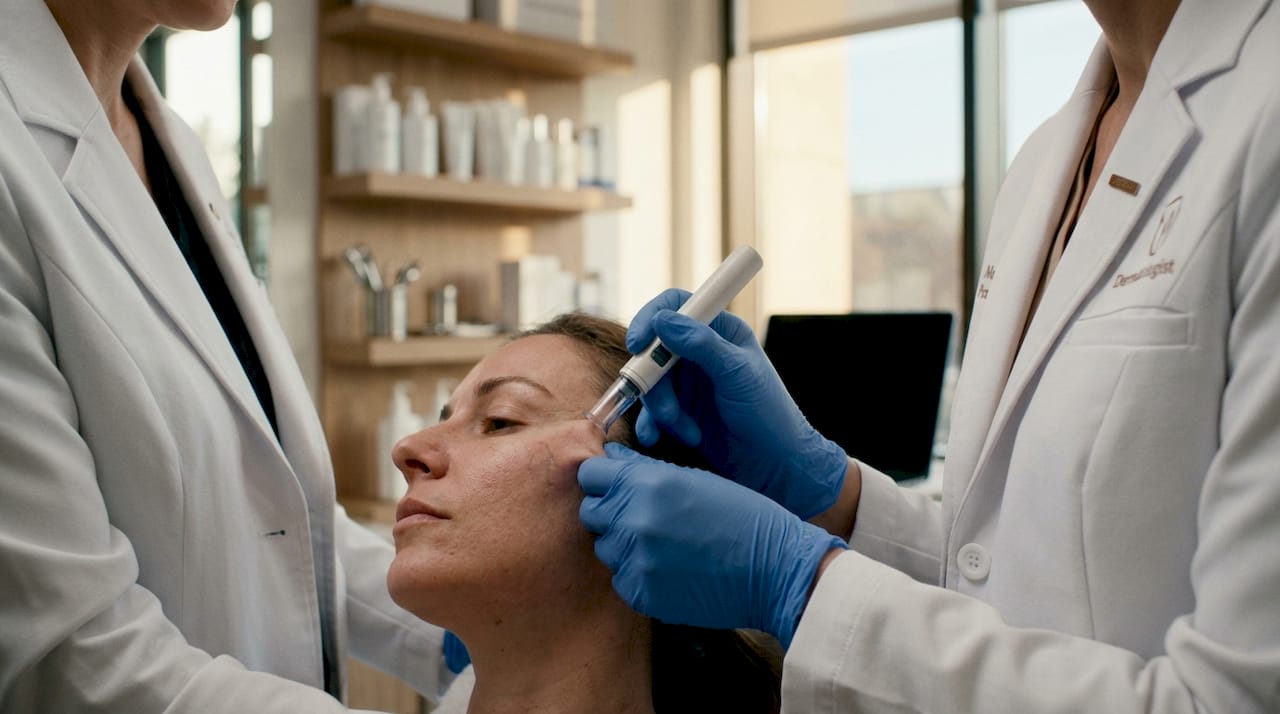
Skin hydration responds faster. A corneometer measures the water content of the outer skin layer using electrical capacitance. Consumer-grade corneometers are available online and give repeatable readings when used correctly. Hydration increases of 10–20% are considered clinically meaningful, whereas wrinkle reduction requires longer, consistent use before it becomes perceptible.
Pore size and wrinkle depth are best tracked through high-resolution photography or a dermatoscope app on a smartphone. Research on a microcurrent-assisted microneedling device showed that digital imaging at three and six weeks captured progressive reductions in large pore size across 20 participants. Smartphone apps such as those using dermatoscope attachments can replicate this approach at home.
| Tool | What it measures | Equipment needed | Ease of use |
|---|---|---|---|
| Corneometer | Skin hydration | Consumer device (available online) | Moderate |
| Cutometer | Skin elasticity | Specialist device | Advanced |
| High-resolution photography | Wrinkle depth, pore size | DSLR or smartphone with macro lens | Easy |
| Dermatoscope app | Pore size, texture | Smartphone attachment | Easy |
| Skin analysis app | Multiple parameters | Smartphone | Easy |
Pro Tip: Always take measurements at the same time of day. Skin hydration fluctuates with temperature, humidity, and activity level, so morning readings before washing your face give the most consistent baseline.
How to design a controlled self-test to evaluate your skincare device’s effectiveness
A controlled self-test is the most reliable way to assess treatment outcomes without laboratory equipment. The principle is borrowed directly from clinical trial design: control as many variables as possible, then measure what changes.
Choose your testing design
Three designs work well at home:
- Split-face test. Apply the device to one side of your face only. The untreated side acts as your control. This eliminates the effect of any new products or lifestyle changes because both sides experience them equally.
- Crossover test. Use the device for four weeks, stop for two weeks, then restart. If your skin improves during use and reverts during the break, that is strong evidence the device is responsible.
- Sham control test. Use the device on one side and a switched-off or non-functional version on the other. This controls for the placebo effect of the ritual itself.
A split-face blind test evaluated by independent observers is the most effective DIY method for confirming device efficacy. The blinding element is what separates a meaningful result from wishful thinking.
Set your timeline
- Hydration and surface texture: assess at two and four weeks.
- Pore size: assess at three and six weeks, as shown in the microcurrent microneedling study.
- Elasticity and wrinkle depth: assess at eight weeks minimum, with a full assessment at 12 weeks.
- Collagen-based changes require 4–8 weeks of controlled, repeatable testing before objective markers become detectable.
Document everything
- Photograph your face at the same time, in the same location, with the same lighting every session.
- Use a tripod and fixed floor markers so your distance and angle stay constant.
- Log each device session: date, duration, intensity setting, and any skin reactions.
- Note any changes to your diet, sleep, stress levels, or other skincare products during the test period.
Pro Tip: Take three photos per session: front, left profile, and right profile. Crop each image to the same facial zone before comparing. This removes background distractions that can unconsciously influence your assessment.
Standardised photography requires consistent lighting, camera angle, distance, and facial expression. Without these controls, lighting and posture changes alone can mimic treatment effects.
How to analyse and interpret your test results critically
Collecting data is only half the work. Interpreting it without bias is where most people go wrong.
Compare baseline to post-treatment objectively
Start with your measurement tools. Plot your corneometer or cutometer readings on a simple spreadsheet. A meaningful hydration improvement sits at 10–20% above baseline. Elasticity improvements take longer to appear and require comparison across the full test period, not just the final reading.
For photographic evidence, use the following approach:
- Crop your before and after photos to show only the treatment zone.
- Remove all identifying features, including hair and background.
- Share the cropped images with five to ten people who do not know which is “before” and which is “after.”
- Ask them to identify which image shows better skin texture or fewer visible lines.
Blind side-by-side comparison by multiple observers after 4–8 weeks reduces personal bias and confirms visible device effectiveness. If the majority of observers cannot identify a difference, the change is likely below the threshold of clinical significance.
Distinguish real effects from noise
Placebo effects and improved skincare compliance can create illusions of improvement. Sham controls and repeat measurements help distinguish real effects from the temporary benefits of simply paying more attention to your skin.
Short-term improvements in skin glow or texture often reflect increased hydration from applying any product, not the device itself. Wrinkle reduction and elasticity gains that persist after the test period ends are far stronger evidence of genuine device efficacy.
AI-powered device tracking confirms usage consistency but does not validate clinical effectiveness without peer-reviewed data. Treat in-app progress scores as adherence logs, not proof of skin improvement. The role of machine learning in skincare apps is to personalise routines, not replace clinical evidence.
Common pitfalls when measuring beauty device effectiveness
Most self-tests fail not because the device does not work, but because the testing method introduces errors that make results unreadable.
- Inconsistent photography. Changing your lighting setup between sessions is the single most common mistake. A ring light on one day and a window on another will make your skin look dramatically different regardless of any treatment effect.
- Ignoring confounding variables. Starting a new serum, changing your diet, or experiencing a stressful week all affect skin parameters. Log every change during your test period so you can account for it during analysis.
- Misreading temporary effects as permanent gains. Skin often looks plumper immediately after device use due to increased local circulation. This is a transient effect. Measure 24 hours after a session, not immediately afterwards.
- Overreliance on device AI features. Device AI features validate adherence and routine consistency, not clinical outcomes. Clinical studies remain the gold standard for confirming that a device produces real skin changes.
- Stopping too early. Collagen remodelling takes months. Abandoning a test at two weeks because you see no change tells you nothing about the device’s long-term potential.
Pro Tip: Keep a dedicated skincare diary for the full test period. Note your sleep hours, water intake, and stress level alongside your device sessions. These variables affect skin hydration and elasticity more than most people expect.
If you experience persistent redness, irritation, or breakouts during device use, stop the test and consult a dermatologist before continuing. No self-test protocol overrides the need for professional medical advice when adverse effects appear. Guidance on at-home facial devices can help you identify which device types suit your skin type before you begin testing.
Key takeaways
Reliable beauty device efficacy assessment requires objective metrics, controlled test design, and blinded result interpretation rather than relying on in-app tracking or marketing claims alone.
| Point | Details |
|---|---|
| Track the right metrics | Measure skin hydration, elasticity, pore size, and wrinkle depth using corneometers, photography, or dermatoscope apps. |
| Use a split-face design | Apply the device to one side only so the untreated side acts as a built-in control. |
| Respect the timeline | Allow 4–8 weeks for collagen-based changes; assess hydration improvements from week two onwards. |
| Blind your photo review | Share cropped before-and-after images with independent observers to remove personal bias from your assessment. |
| Separate AI tracking from clinical proof | Device apps confirm usage consistency; only peer-reviewed studies confirm actual skin improvement. |
What I have learned from testing beauty devices properly
After years of following the beauty tech space closely, the pattern I see most often is this: people invest in a well-made device, use it inconsistently for three weeks, see no dramatic change, and conclude it does not work. The device may be excellent. The test was simply too short and too uncontrolled to tell them anything useful.
The split-face protocol changed how I think about this entirely. When you apply a device to only one side of your face and then ask someone else to identify which side looks better after six weeks, you remove your own expectations from the equation. That is the moment you get an honest answer. I have seen people surprised to find the treated side genuinely looked firmer, and equally surprised when it did not. Both outcomes are valuable.
My strongest advice is to be sceptical of any device that relies solely on its own app to prove it works. AI-backed beauty claims are often about engagement and retention, not clinical validation. Look for devices supported by independent published studies, and then run your own controlled test to confirm the results apply to your skin specifically. Patience and documentation are the two skills that separate people who genuinely know whether their device works from those who are simply hoping it does.
— Adam
Clinically supported beauty devices from Glowera
Glowera curates a range of beauty tech devices for the Saudi Arabian market, focusing on tools with published clinical backing rather than marketing promises alone.
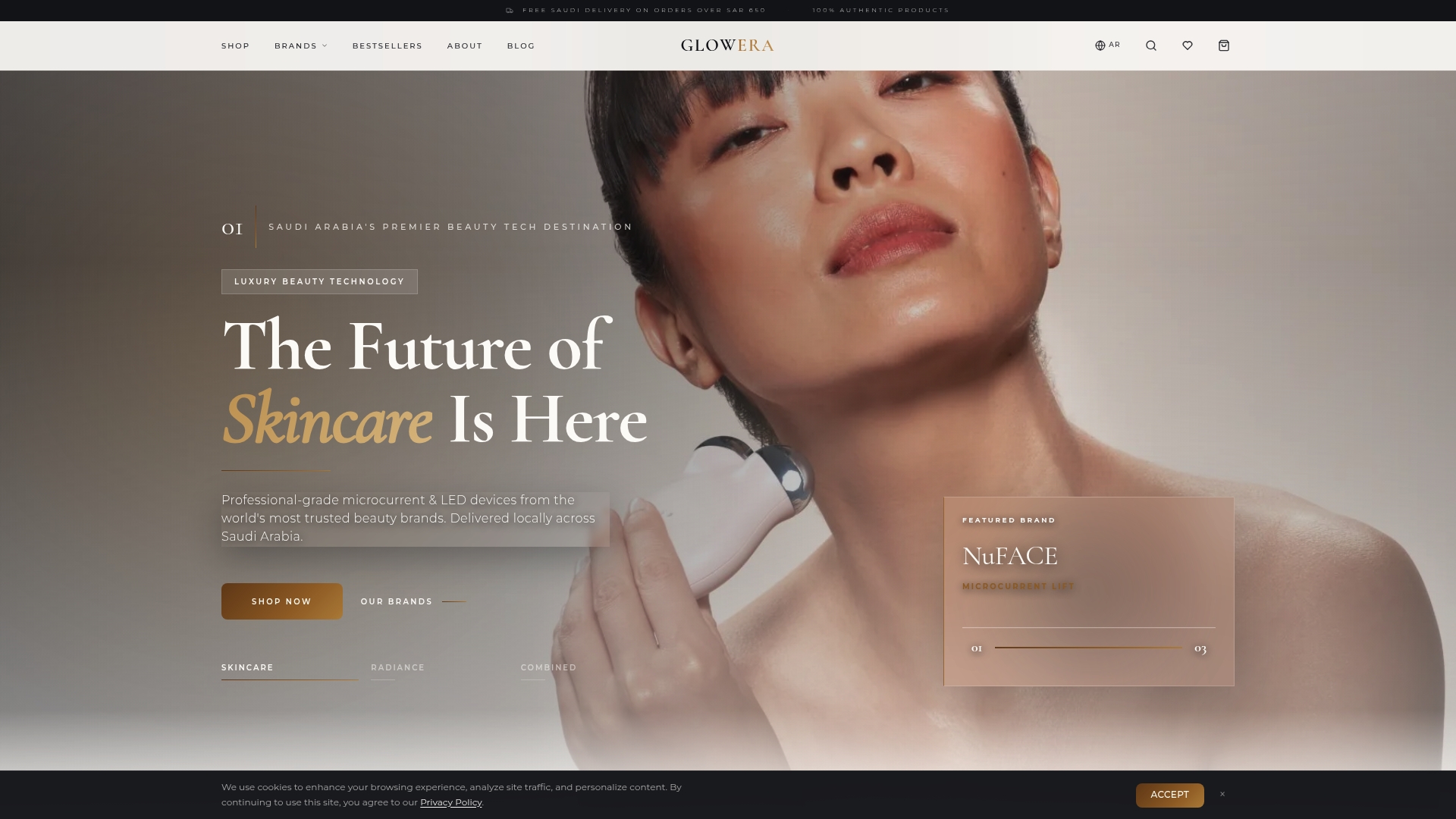
The Glowera collection includes microcurrent facial devices for skin toning and lifting, LED light therapy panels for targeted skin rejuvenation, and cleansing tools designed for consistent daily use. Each category is supported by educational content so you can understand what a device does before you buy it. Glowera also provides expert support for customers in Saudi Arabia, helping you select the right device for your skin goals and use it correctly from day one.
FAQ
How long does it take to see results from a beauty device?
Skin hydration improvements can appear within two to four weeks of consistent use. Elasticity and wrinkle depth changes require a minimum of 8–12 weeks before they become measurable.
What is the best way to test a beauty device at home?
A split-face protocol, where you apply the device to one side of your face only, is the most reliable DIY method. Blinded photo review by independent observers after 4–8 weeks confirms whether visible changes are real.
Can I trust the results shown in my device’s app?
Device apps track usage consistency, not clinical skin improvement. Peer-reviewed clinical studies remain the only reliable standard for confirming that a device produces genuine skin changes.
What skin metrics should I track when evaluating a beauty device?
Track skin hydration, elasticity, pore size, and wrinkle depth. Hydration responds fastest and is easiest to measure with a consumer corneometer; elasticity and wrinkle depth require longer test periods.
When should I stop using a beauty device and seek professional advice?
Stop use immediately if you experience persistent redness, irritation, or breakouts, and consult a dermatologist before resuming. No self-test protocol replaces professional medical assessment when adverse effects occur.