
Dermatological research is the scientific study of skin biology, disease mechanisms, and treatment outcomes, and it is the foundation on which modern beauty and skincare innovation is built. Without it, claims on product packaging would be little more than marketing copy. Regulatory bodies such as the FDA and the European Medicines Agency require validated clinical evidence before approving treatments, setting a standard that separates genuine skin science from trend-driven noise. The role of dermatological research in beauty is not peripheral. It defines which ingredients work, which routines cause harm, and which technologies deserve your attention.
How does dermatological research define treatment efficacy in beauty?
Clinical research measures skin treatment success through specific, validated endpoints. These are not arbitrary scores. They are standardised tools that allow researchers to compare results across trials and populations.
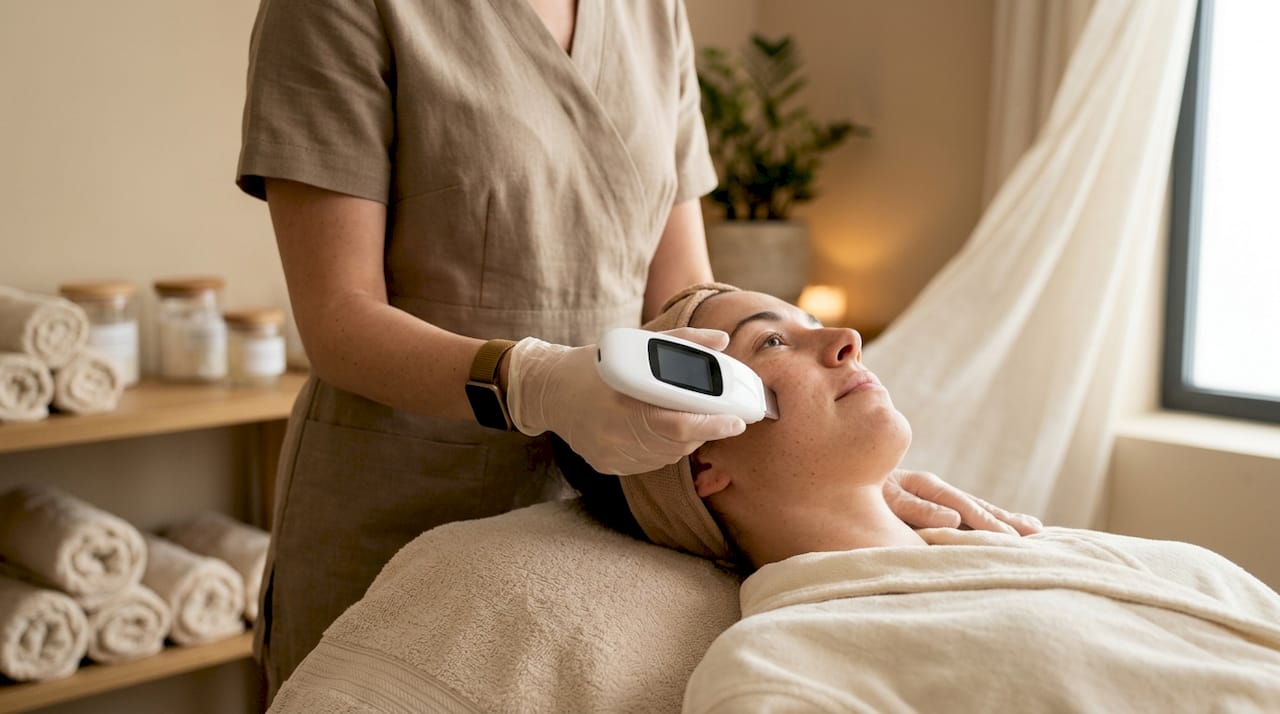
The most widely cited example is PASI 75, which the FDA recognises as clinically meaningful for psoriasis treatments. PASI 75 means a 75% reduction in the Psoriasis Area and Severity Index. That level of precision matters because it prevents brands from claiming success based on minor, subjective improvements.
Other validated scales include:
- IGA (Investigator’s Global Assessment): A simple scale rating overall disease severity, widely used in eczema and acne trials.
- EASI (Eczema Area and Severity Index): Measures the extent and intensity of eczema across body regions.
- SCORAD (Scoring Atopic Dermatitis): Combines objective signs with patient-reported symptoms like itch and sleep loss.
These tools combine objective clinical observation with patient-reported outcomes. That combination produces a fuller picture of whether a treatment genuinely improves quality of life, not just a doctor’s score sheet.
Standardised photographic and digital imaging techniques add another layer of rigour. High-resolution imaging under controlled lighting captures changes in texture, pigmentation, and pore size that the naked eye misses. This matters for beauty research because it holds cosmetic claims to the same standard as pharmaceutical ones.
Pro Tip: When evaluating a skincare product’s clinical claims, look for trials that used validated scales like IGA or EASI rather than vague language such as “dermatologist-tested.” The former means something specific; the latter does not.
Does dermatological research address diversity in beauty innovation?
The short answer is yes, but not nearly enough. Less than 22% of dermatology clinical trials between 2017 and 2021 included Black or African American participants. That figure represents a serious gap in the evidence base.
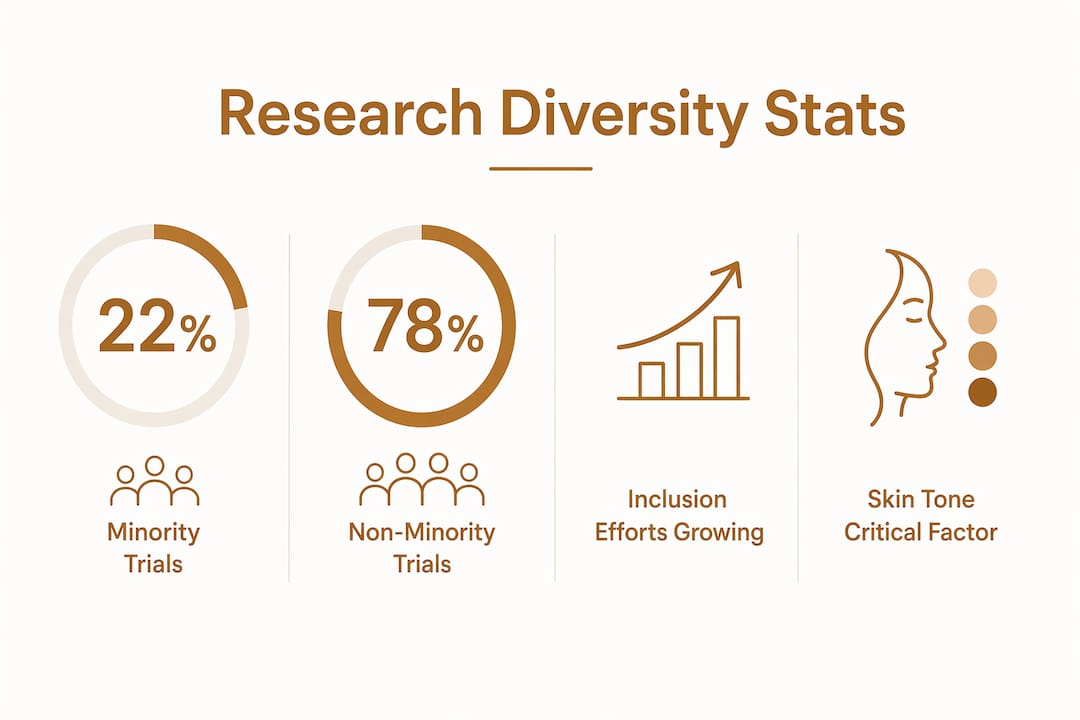
Skin tone affects how conditions present, how treatments perform, and how ingredients interact with the skin barrier. A product validated almost entirely on lighter skin tones may behave differently on deeper complexions. Post-inflammatory hyperpigmentation, for instance, is far more pronounced in Fitzpatrick skin types IV through VI, yet most trials historically recruited participants from types I through III.
The implications for consumers are direct:
- Products marketed as universally effective may not have been tested on your skin type.
- Ingredients that reduce redness on fair skin may not address hyperpigmentation on darker skin.
- Safety data for certain actives may not reflect how they perform across all melanin levels.
Efforts to improve inclusivity are growing. Regulatory agencies and academic journals increasingly require demographic breakdowns in published trial data. Some research institutions now set minimum inclusion targets for underrepresented groups. Progress is real, but the gap between current practice and genuine equity remains wide. Consumers with deeper skin tones should seek out products where the clinical evidence explicitly includes their Fitzpatrick type.
Which skincare ingredients have strong scientific support?
Evidence quality varies enormously across the ingredients you find in beauty products. Some have decades of controlled human trial data. Others ride on laboratory studies that have never been replicated in real skin.
Niacinamide at 5% concentration has strong, independent human clinical evidence for skin barrier repair and soothing. It is one of the most reliably validated actives in cosmetic dermatology. Retinoids, broad-spectrum antioxidants such as vitamin C, hyaluronic acid, and peptides also carry substantial peer-reviewed support for anti-ageing and barrier function.
| Ingredient | Evidence level | Primary benefit |
|---|---|---|
| Niacinamide (5%) | Strong human RCT data | Barrier repair, brightening |
| Retinoids | Extensive clinical evidence | Anti-ageing, cell turnover |
| Hyaluronic acid | Good human trial support | Hydration, plumping |
| Vitamin C (L-ascorbic acid) | Moderate to strong | Antioxidant, pigmentation |
| Peptides | Moderate, growing | Collagen stimulation |
| Mugwort extract | Weak, mostly in vitro | Soothing (unconfirmed in humans) |
| Ginseng | Limited human trials | Antioxidant (largely theoretical) |
The contrast between the top and bottom of that table is the gap between dermatological science and beauty marketing. Brands often rely on in vitro or ex vivo models rather than controlled human trials to support product claims. In vitro means cells in a dish. That is not your skin.
Broad-spectrum photoprotection sits in a category of its own. Sun protection is the single most evidence-backed intervention in all of preventive dermatology. No anti-ageing ingredient outperforms daily SPF use when it comes to long-term skin health.
Pro Tip: Check whether a product’s clinical claims reference “in vitro” or “ex vivo” studies. If so, the evidence comes from lab conditions, not human skin. Prioritise products citing randomised controlled trials (RCTs) with human participants.
How has skin research changed modern skincare routines?
The most significant shift dermatological research has driven is the move away from complexity. Complex multi-step skincare routines do not necessarily enhance efficacy and may increase skin irritation. That finding runs directly counter to the beauty industry’s commercial interest in selling more products.
Dermatologists now endorse a simplified framework built on three pillars:
- Gentle cleansing: Removes pollutants and excess sebum without stripping the skin barrier.
- Hydration: Supports barrier integrity and reduces transepidermal water loss.
- Sun protection: Prevents photoageing, pigmentation, and skin cancer risk.
Everything beyond those three pillars is supplementary. That does not mean additional actives are useless. It means the foundation matters more than the extras layered on top.
Longevity science is reshaping the anti-ageing conversation. Modern dermatology frames ageing as a dynamic process influenced by lifestyle factors and targets biomarkers like cellular senescence and chronic inflammation. Cellular senescence refers to cells that have stopped dividing but remain metabolically active, releasing inflammatory signals that accelerate visible ageing. Formulations targeting these pathways represent the next generation of evidence-informed anti-ageing.
Facial technology devices are another area where dermatological innovation has moved into the home. LED light therapy, backed by research into anti-ageing benefits, and microcurrent devices that stimulate facial muscles both originate from clinical settings. Their migration into consumer products reflects the growing demand for treatments that carry genuine physiological mechanisms, not just pleasant textures.
What practical guidance comes from understanding skin research?
Dermatological research gives consumers a clear framework for evaluating beauty products. The key is knowing what to look for and what to question.
Criteria that signal genuine clinical support:
- Randomised controlled trials with human participants, not animal or cell studies.
- Published results in peer-reviewed journals, not brand-funded white papers.
- Validated endpoints such as IGA, EASI, or SCORAD rather than proprietary scoring systems.
- Sample sizes large enough to detect meaningful differences.
Marketing investment in beauty dwarfs evidence generation, which means the loudest claims are rarely the best-supported ones. A product with a quiet ingredient list and a published RCT is almost always a better choice than one with twelve actives and a celebrity endorsement.
Texture, fragrance, and price also matter. A brand’s pharmaceutical pedigree establishes trust, but long-term success depends on sensory and practical factors. A clinically validated product that feels unpleasant to apply will not be used consistently, and consistency is what produces results. The best skincare routine is the one you actually follow.
Emerging technologies such as biosensors and clinical-grade light therapy reflect how research advances translate into consumer tools. Dermatological drug discovery is moving from symptomatic control towards treatment-free disease control using biomarkers and predictive models. That shift will eventually reach the beauty aisle, making evidence literacy an increasingly valuable skill for anyone serious about skin health.
Pro Tip: When a brand claims clinical results, ask one question: was the study conducted on human participants with a control group? If the answer is no, treat the claim as preliminary, not proven.
Key takeaways
Dermatological research is the most reliable filter for separating effective skincare from expensive marketing, and consumers who understand its standards make consistently better choices.
| Point | Details |
|---|---|
| Validated endpoints matter | Look for trials using IGA, EASI, PASI 75, or SCORAD rather than vague “dermatologist-tested” labels. |
| Diversity gaps affect efficacy | Less than 22% of dermatology trials included Black or African American participants, limiting applicability across skin types. |
| Niacinamide leads on evidence | At 5% concentration, niacinamide has stronger human RCT support than most trending ingredients. |
| Simplicity outperforms complexity | Gentle cleansing, hydration, and SPF consistently outperform elaborate multi-step routines in clinical outcomes. |
| Longevity science is reshaping anti-ageing | Research targeting cellular senescence and inflammation biomarkers is driving the next wave of evidence-backed formulations. |
Why I think the beauty industry’s relationship with science is more complicated than it looks
The gap between what dermatological research proves and what beauty marketing claims is not accidental. It is structural. The cost of running a rigorous randomised controlled trial is significant. The cost of commissioning an in vitro study and writing “clinically tested” on a box is not. Most brands choose the latter, and most consumers cannot tell the difference.
What I find genuinely encouraging is that the shift towards patient-centred outcomes in dermatological drug discovery is starting to filter into cosmetic science. Longevity research, biosensor technology, and the growing demand for clinical results in skincare are all pushing the industry in a more honest direction.
The uncomfortable truth is that most people’s skincare routines contain at least one product that has never been validated in a controlled human trial. That is not a reason for alarm. It is a reason to get selective. The ingredients and devices with genuine evidence behind them are not hard to identify once you know what to look for. Research literacy is the most underrated skincare tool available.
I also think the diversity gap in clinical trials deserves more consumer attention than it currently receives. If you have deeper skin tone and a product claims universal efficacy, that claim may rest on data that does not include you. Asking harder questions of brands is not cynicism. It is the logical consequence of understanding how the evidence is actually built.
— Adam
Glowera’s approach to research-backed beauty technology
The devices Glowera carries are selected precisely because they reflect what dermatological research has validated, not what marketing trends have amplified.
LED therapy and microcurrent technology both originate in clinical dermatology. Glowera’s LED light therapy devices and K-Beauty tech collection bring those same physiological mechanisms into an at-home format, with products from brands that have invested in genuine clinical development. If you want to apply the evidence-based principles covered here to your own routine, Glowera’s curated range is a practical starting point. Every device is available with local Saudi Arabia delivery and expert support, so the science does not stop at the product page.
FAQ
What is the role of dermatological research in beauty?
Dermatological research validates the safety and efficacy of skincare ingredients and treatments through controlled clinical trials. It sets the scientific standard that separates evidence-backed products from marketing-driven claims.
Which skincare ingredients have the strongest clinical evidence?
Niacinamide at 5%, retinoids, hyaluronic acid, and broad-spectrum SPF have the most robust human trial data. Ingredients like mugwort and ginseng remain largely unvalidated in controlled human studies.
How do I know if a beauty product is clinically validated?
Look for products citing randomised controlled trials with human participants and validated endpoints such as IGA or EASI. Avoid relying solely on “dermatologist-tested” or “clinically proven” without further detail.
Why does skin diversity matter in dermatological research?
Skin tone affects how conditions present and how treatments perform. With less than 22% of trials including Black or African American participants, many products lack evidence across the full range of skin types.
Are complex skincare routines better for skin health?
No. Dermatologists consistently find that multi-step routines can increase irritation without improving outcomes. Gentle cleansing, hydration, and daily SPF deliver better results for most people.