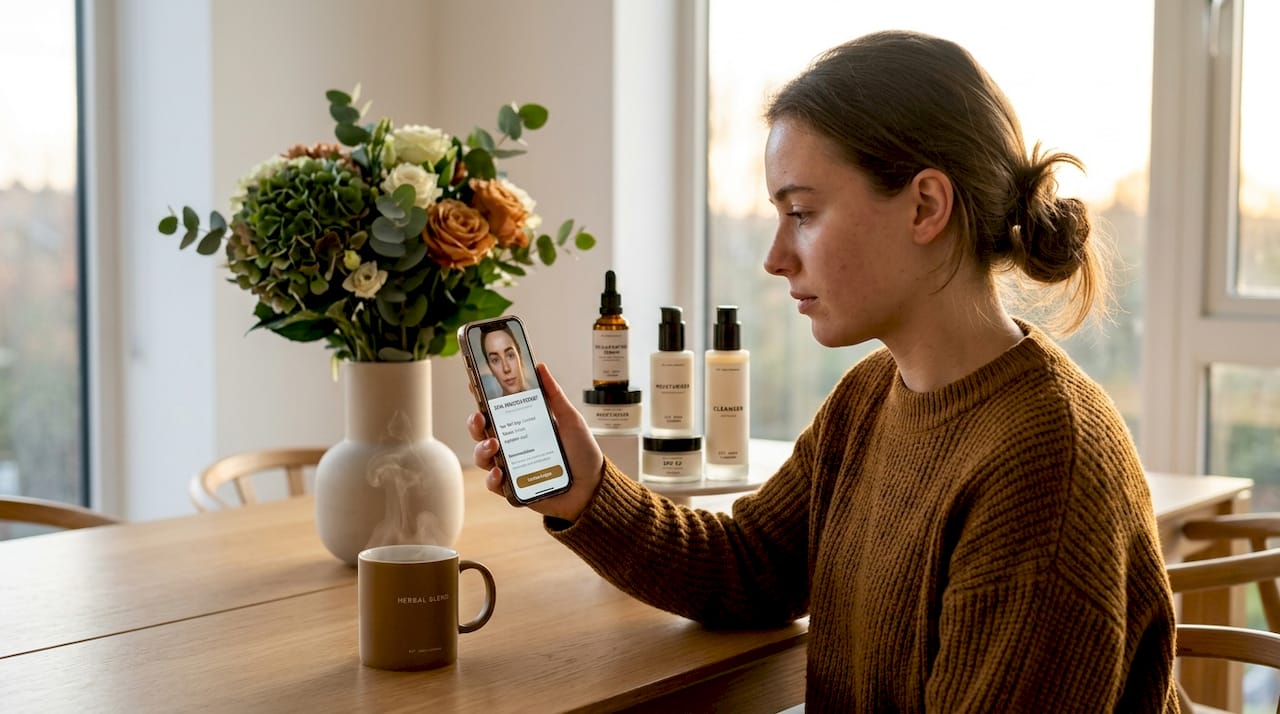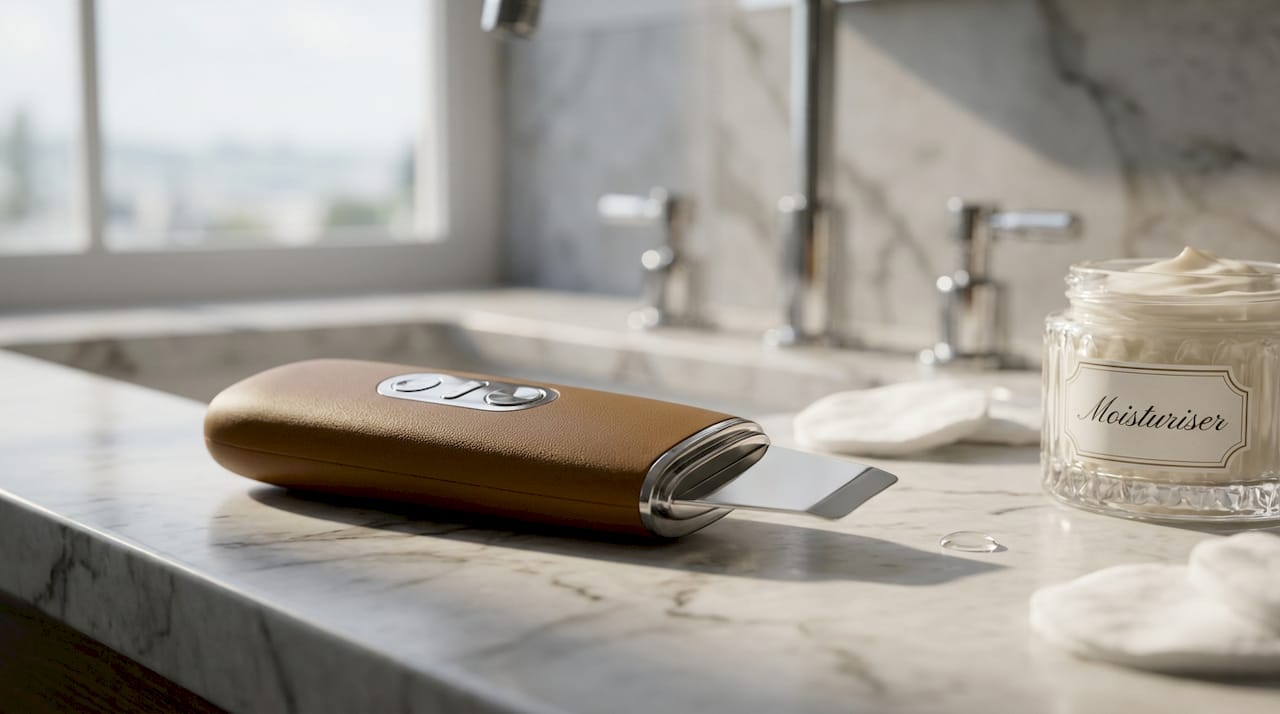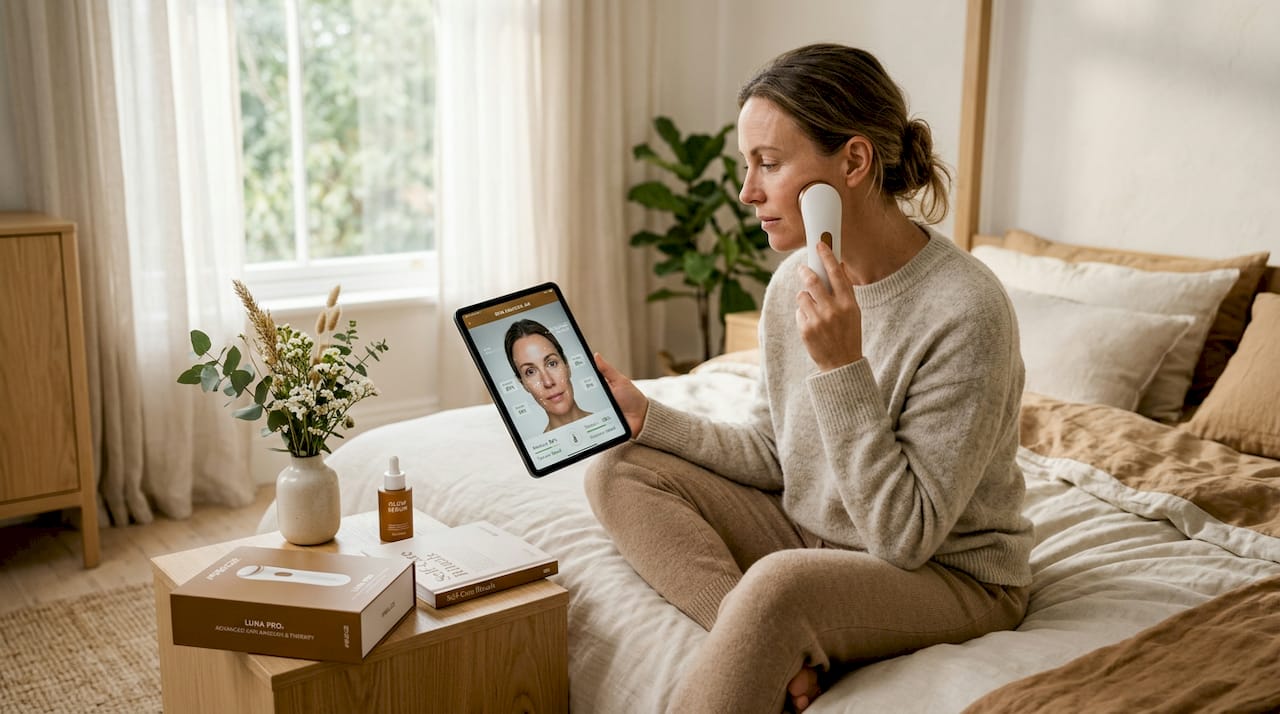
Korean beauty tech devices fall into three functional classes: energy-based, transdermal delivery, and multi-modal systems, each targeting skin improvement through distinct biological mechanisms. The types of Korean beauty tech devices available today span radiofrequency tools, microcurrent wands, electroporation devices, and LED therapy masks, with leading products like the Medicube Age-R Booster Pro combining several of these in a single unit. What separates K-beauty gadgets from generic skincare tools is the engineering philosophy behind them: gradual, consistent improvement rather than dramatic single-session correction. Understanding how each category works is the fastest way to match a device to your actual skin goals and commit to it properly.
1. Energy-based Korean beauty tech devices
Energy-based devices are the most widely recognised category of Korean skincare devices, and they work by delivering controlled energy into the skin to trigger biological responses. The three core technologies are radiofrequency, ultrasound, and LED light therapy, each operating on a different part of the skin’s structure.
Radiofrequency devices deliver thermal energy into the dermis, stimulating collagen production and supporting skin firmness over repeated sessions. The key word is “repeated.” RF does not produce an instant lift. It builds results across weeks of consistent use, which is why so many users abandon devices before they see any change.
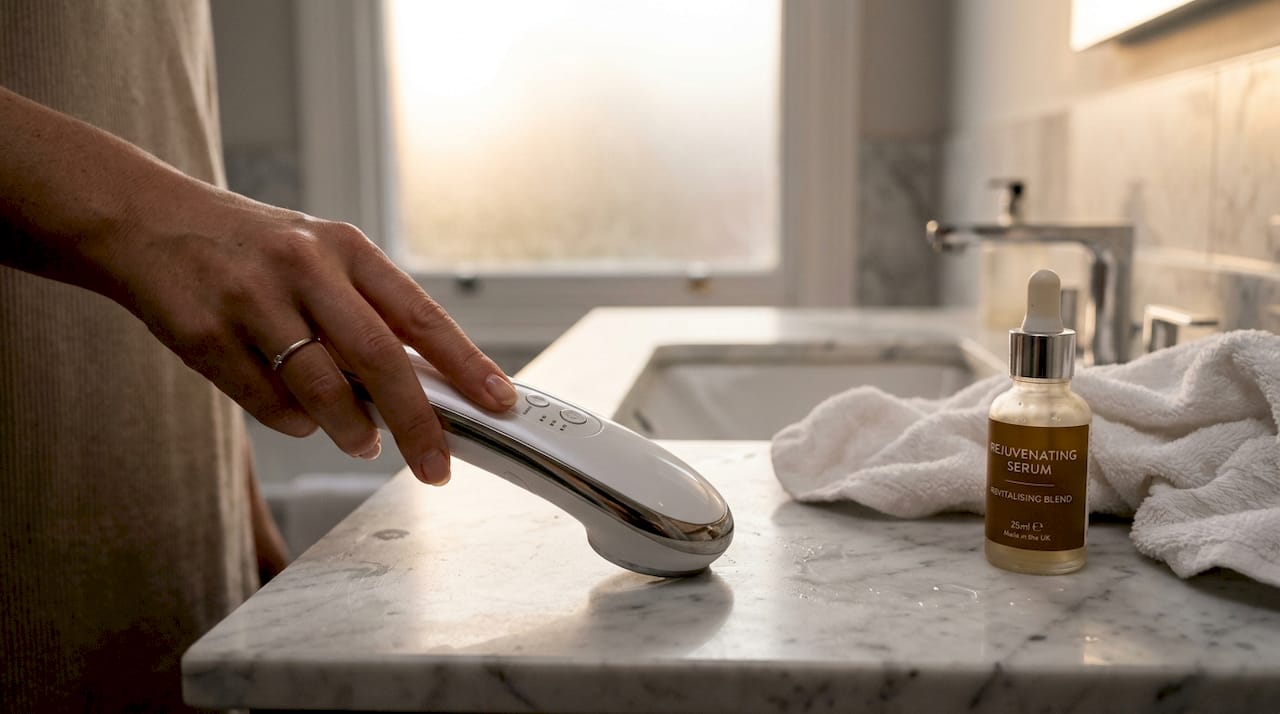
Ultrasound devices use mechanical vibration to stimulate deeper tissue layers, improving circulation and supporting product absorption as a secondary benefit. LED therapy masks operate differently again: they use specific light wavelengths to address surface concerns. Red light at 630 to 660 nanometres targets collagen support and fine lines, while blue light at around 415 nanometres targets acne-causing bacteria. You can explore the full range of LED therapy options if light-based treatment is your primary goal.
Pro Tip: Choose your energy-based device based on a single skin goal first. Trying to address firmness, texture, and pigmentation simultaneously with three different devices leads to inconsistent use of all of them. Pick one concern, commit for eight weeks, then reassess.
Key benefits of energy-based devices include:
- Radiofrequency: Skin tightening, collagen stimulation, improved firmness over time
- Ultrasound: Deeper tissue stimulation, circulation support, mild product delivery enhancement
- LED red light: Fine line reduction, collagen support, improved skin tone
- LED blue light: Acne bacteria reduction, oil regulation, calming of active breakouts
2. How transdermal delivery devices enhance skincare
Transdermal delivery devices do not generate heat or stimulate muscle tissue. Their sole purpose is to push active skincare ingredients deeper into the skin than topical application alone can achieve.
Electroporation and iontophoresis are the two dominant technologies in this category. Electroporation uses brief electrical pulses to temporarily create micro-channels in the skin barrier, allowing serums containing hyaluronic acid, niacinamide, or peptides to penetrate more effectively. Iontophoresis uses a low-level electrical current to drive charged molecules through the skin. The result in both cases is meaningfully better absorption of whatever active ingredient you apply alongside the device.
This category is particularly relevant for anyone already investing in high-quality serums. If you are spending on a vitamin C or retinol product, a transdermal delivery device can make that investment work harder. The device itself is not the active treatment. It is the delivery mechanism for the actives you already use.
Key advantages of transdermal delivery devices include:
- Enhanced penetration of serums and ampoules beyond surface application
- No thermal energy involved, making them suitable for sensitive skin types
- Particularly effective when paired with hydrating or brightening actives
- Supports radiance and plumpness without structural stimulation
Pro Tip: Always use a water-based serum with electroporation devices. Oil-based formulations do not conduct electrical current effectively and will reduce the device’s performance significantly.
3. What role do muscle-stimulation devices play in facial toning?
Muscle-stimulation devices address a concern that neither energy-based nor transdermal tools target directly: the gradual loss of facial muscle tone that contributes to sagging and loss of definition over time.
Microcurrent devices deliver low-level electrical currents that mimic the body’s own bioelectrical signals, prompting facial muscles to contract and relax. Think of it as a workout for the muscles beneath your skin. The Medicube Age-R Booster Pro includes muscle-stimulation modes alongside its other functions, making it one of the more versatile examples of this technology in the K-beauty gadgets market. EMS (electrical muscle stimulation) operates on a similar principle but typically uses stronger pulses and is more commonly associated with body contouring devices, though facial EMS tools do exist.
The honest limitation of these devices is that they cannot replicate the results of clinical procedures for advanced skin laxity. Home devices support maintenance and gradual improvement, not surgical correction. That distinction matters when setting expectations.
Common benefits, and honest limitations, of muscle-stimulation devices:
- Benefits: Improved facial contour definition, lifted appearance with consistent use, reduced puffiness, enhanced jawline clarity
- Limitations: Results require weeks of regular use; effects are subtle compared to clinical microcurrent treatments; not suitable for individuals with pacemakers or certain medical implants
Pro Tip: Use a conductive gel specifically designed for microcurrent devices. Standard moisturisers reduce conductivity and diminish results. Many devices come with a proprietary gel for this reason.
4. How multi-modal Korean beauty devices combine technologies
Multi-modal devices represent the most sophisticated category in Korean beauty tech, combining two or more mechanisms into a single handset. The appeal is obvious: one device addressing firmness, muscle tone, ingredient delivery, and light therapy simultaneously.
The Medicube Age-R Booster Pro integrates electroporation, microcurrent, EMS, LED, and sonic vibration into one unit, making it one of the most cited examples of multi-modal skin care technology in the at-home beauty devices category. The synergistic effect is real: using RF to warm the dermis before applying a serum via electroporation, for instance, can improve both the structural and ingredient-delivery outcomes of a single session.
The trade-off is complexity. Multi-modal devices require user familiarity with each mode to avoid confusion and achieve consistent results. A device with five modes used incorrectly or inconsistently will underperform a single-function device used correctly every day.
| Device type | Core technology | Primary benefit | Ideal user |
|---|---|---|---|
| RF device | Radiofrequency thermal energy | Skin firmness and tightening | Users targeting early skin laxity |
| LED mask | Red or blue light wavelengths | Collagen support or acne reduction | Users with specific surface concerns |
| Microcurrent wand | Low-level bioelectrical current | Facial muscle toning and contouring | Users seeking definition and lift |
| Electroporation device | Electrical pulse delivery | Enhanced serum absorption | Users with ingredient-led routines |
| Multi-modal device | Combined RF, LED, microcurrent, EMS | Broad-spectrum skin maintenance | Experienced users with clear goals |
When comparing beauty device technologies for home use, multi-modal tools offer the best return for users who already understand the individual technologies and have a consistent routine in place.
5. Emerging trends shaping Korean beauty tech in 2026
The most significant shift in Korean beauty tech innovations in 2026 is the integration of artificial intelligence into device diagnostics. LG Household & Health Care is developing AI systems that analyse biological ageing markers and adjust treatment delivery accordingly, moving beyond fixed programme settings to genuinely adaptive skincare. This is not a cosmetic feature. It changes how devices respond to your skin’s condition on a given day rather than applying the same energy output regardless of context.
AI beauty startups are building proprietary skin biomarker libraries that enable hyper-personalised treatment rather than generic product matching. The practical implication for consumers is that devices will increasingly function as diagnostic tools, not just applicators. Understanding how algorithms personalise treatment is becoming relevant knowledge for anyone investing in higher-end devices.
Cryo-inspired cooling technology is a second major trend, driven by consumer demand for soothing and depuffing treatments that counter environmental stress on the skin. Cooling devices deliver instant calming benefits and are particularly relevant in climates with high heat and UV exposure, making them well suited to the Middle Eastern market.
“Consumer demand in Korea is shifting towards devices that offer soothing and skin maintenance rather than aggressive correction, reflecting rising environmental stress.” — K-Beauty Ingredients 2026
The broader trend is a move away from dramatic correction and towards skin rejuvenation and biological resilience. Devices that support the skin’s own repair mechanisms, rather than overriding them, are defining the next generation of Korean beauty tools.
Key takeaways
Korean beauty tech devices deliver the best results when matched to a specific skin goal and used consistently across weeks, not days.
| Point | Details |
|---|---|
| Three core categories | Energy-based, transdermal delivery, and muscle-stimulation devices each target different skin mechanisms. |
| Consistency is the deciding factor | Inconsistent use is the primary reason home devices fail to deliver results. |
| Multi-modal devices reward experience | Combined-technology devices work best for users who already understand individual device modes. |
| AI is reshaping device intelligence | Adaptive diagnostics from brands like LG are moving devices beyond fixed settings to personalised treatment. |
| Home devices complement, not replace, clinics | Clinic treatments like Rejuran Healer cost £117 to £470 per session; home devices support maintenance between them. |
Why I think most people buy the wrong device first
Most people approach Korean skincare devices the way they approach a new skincare product: they buy what looks impressive, use it a few times, and then wonder why nothing has changed. The mechanism matters far more than the marketing.
I have seen users invest in a multi-modal device with five modes and use only one of them, inconsistently, for three weeks. The device was not the problem. The approach was. A single-function microcurrent wand used four times a week for two months will outperform a sophisticated multi-modal tool used twice and forgotten.
My honest view is that most people should start with either a transdermal delivery device or a microcurrent tool, not a combined unit. The transdermal device teaches you the discipline of pairing technology with the right active ingredient. The microcurrent device teaches you the discipline of consistency. Both lessons transfer directly to more complex devices later.
The comparison between home devices and clinical treatments is also worth stating plainly. Professional treatments deliver results that home devices cannot match for advanced concerns. Home devices are maintenance tools and gradual improvement tools. Treating them as a replacement for clinical care sets you up for disappointment. Treating them as the daily work between clinic visits is where they genuinely shine.
Buy based on your skin goal, not the device’s feature count. Then use it properly, every week, for at least eight weeks before judging the result.
— Adam
Discover Korean beauty tech devices at Glowera
Glowera is the trusted destination for premium Korean beauty tech devices across Saudi Arabia, offering authentic products with local delivery and expert guidance.
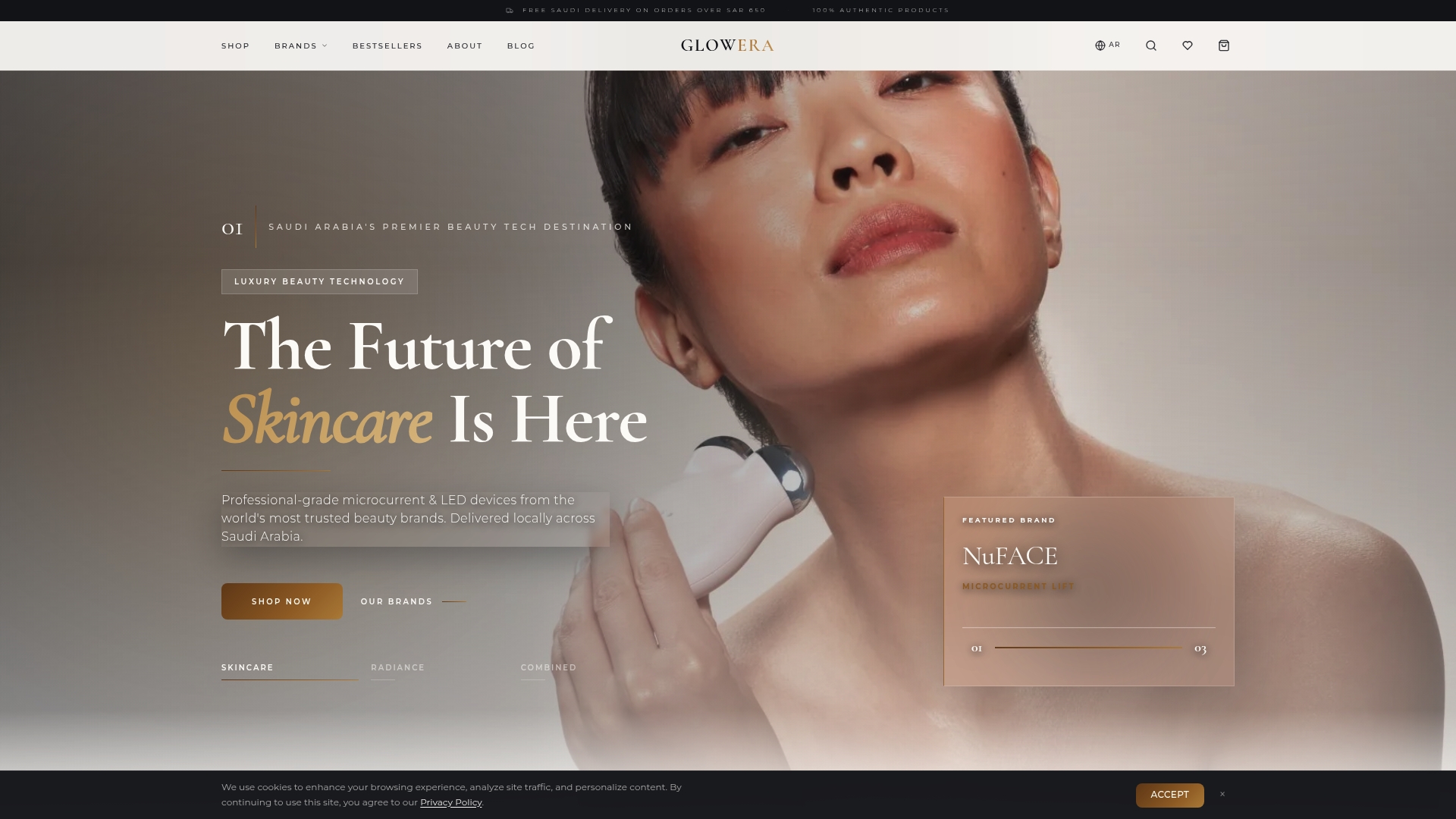
Whether you are starting with a microcurrent facial device for toning and contouring, exploring LED therapy for targeted skin concerns, or ready to invest in a multi-modal tool, Glowera stocks the full range. The Medicube Booster Pro Heart Edition is a standout limited-edition option combining electroporation, microcurrent, EMS, and LED in one device. Browse the complete K-beauty tech collection to find the right device for your routine and skin goals.
FAQ
What are the main types of Korean beauty tech devices?
Korean beauty tech devices are classified into three main categories: energy-based tools (RF, ultrasound, LED), transdermal delivery devices (electroporation, iontophoresis), and muscle-stimulation devices (microcurrent, EMS). Multi-modal devices combine technologies from two or more of these categories.
How often should I use a Korean beauty device?
Most at-home Korean skincare devices require three to five sessions per week to deliver visible results. Inconsistent use is the primary reason users fail to see improvement, particularly with RF and microcurrent devices.
Can home beauty devices replace professional clinic treatments?
Home devices support gradual maintenance and cannot replace high-intensity clinical procedures for advanced skin concerns. Clinic treatments like Rejuran Healer deliver results at a different level, but home devices are effective for ongoing skin maintenance between sessions.
What is the best Korean beauty device for beginners?
A transdermal delivery device or a single-function microcurrent wand is the most practical starting point. Both are straightforward to use, teach good device discipline, and deliver noticeable results without the complexity of multi-modal systems.
Are AI-powered Korean beauty devices worth the investment?
AI-integrated devices from brands like LG Household & Health Care offer adaptive treatment based on biological skin analysis, making them genuinely more responsive than fixed-setting devices. They represent a meaningful step forward for users who want data-driven, personalised skincare rather than a one-size-fits-all approach.