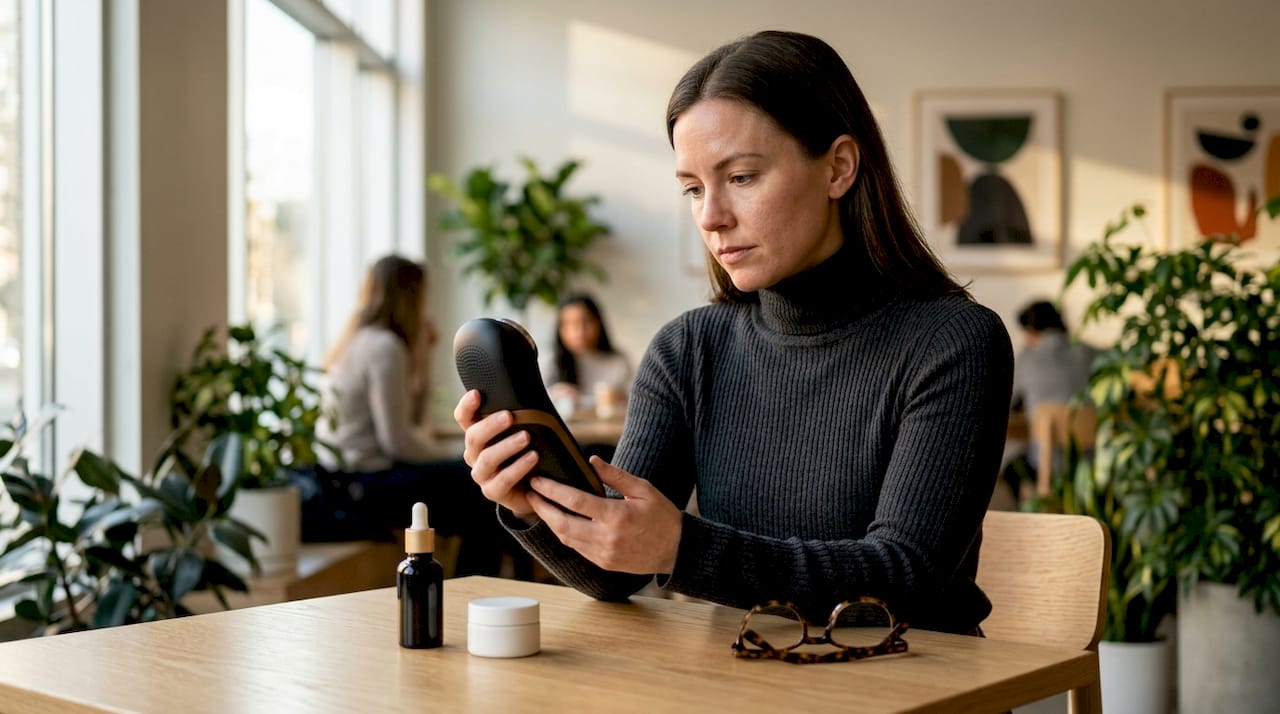
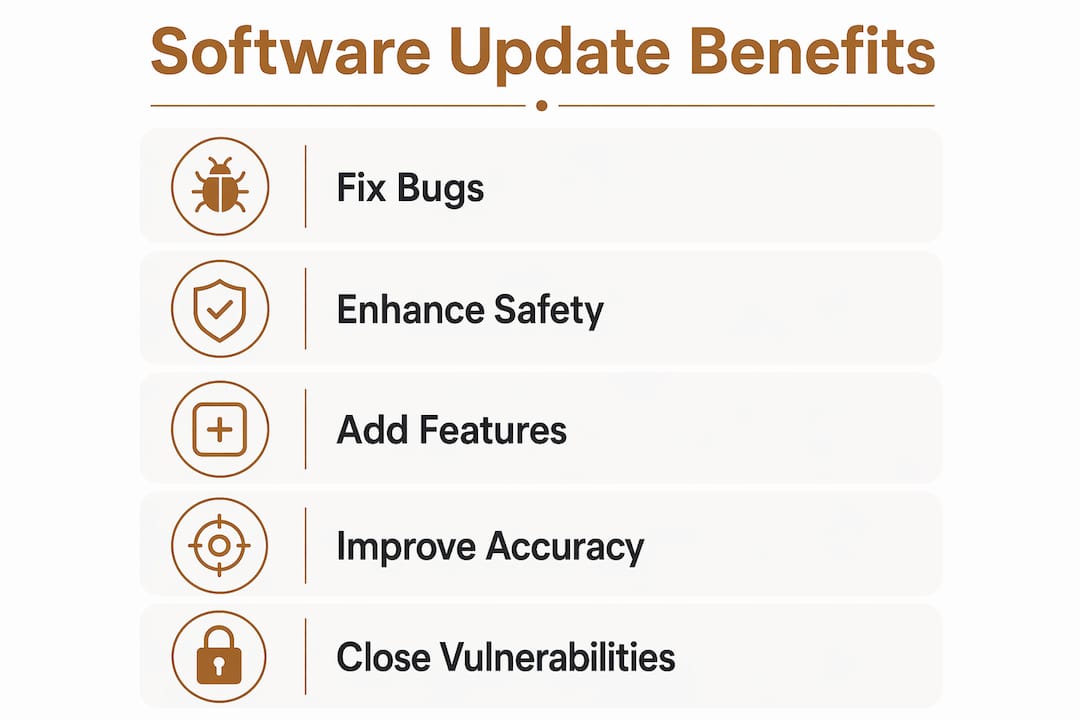
Software updates are the primary mechanism by which beauty devices maintain treatment accuracy, safety compliance, and long-term effectiveness. Without them, even premium hardware degrades in performance over time. The role of software updates in beauty devices now extends far beyond simple bug fixes. Firmware controls critical parameters such as LED pulse duration and microcurrent intensity, and a single uncorrected error can alter treatment outcomes in ways that are invisible to the person using the device. Regulatory bodies including Saudi Arabia’s SASO now mandate firmware traceability as a condition of market access, making software maintenance a legal requirement, not just a manufacturer courtesy.
How do software updates improve beauty device safety and treatment accuracy?
Safety is the most urgent reason to keep a beauty device updated. Firmware controls critical parameters including LED pulse duration and microcurrent intensity, meaning a bug in the underlying code directly affects what the device delivers to your skin.
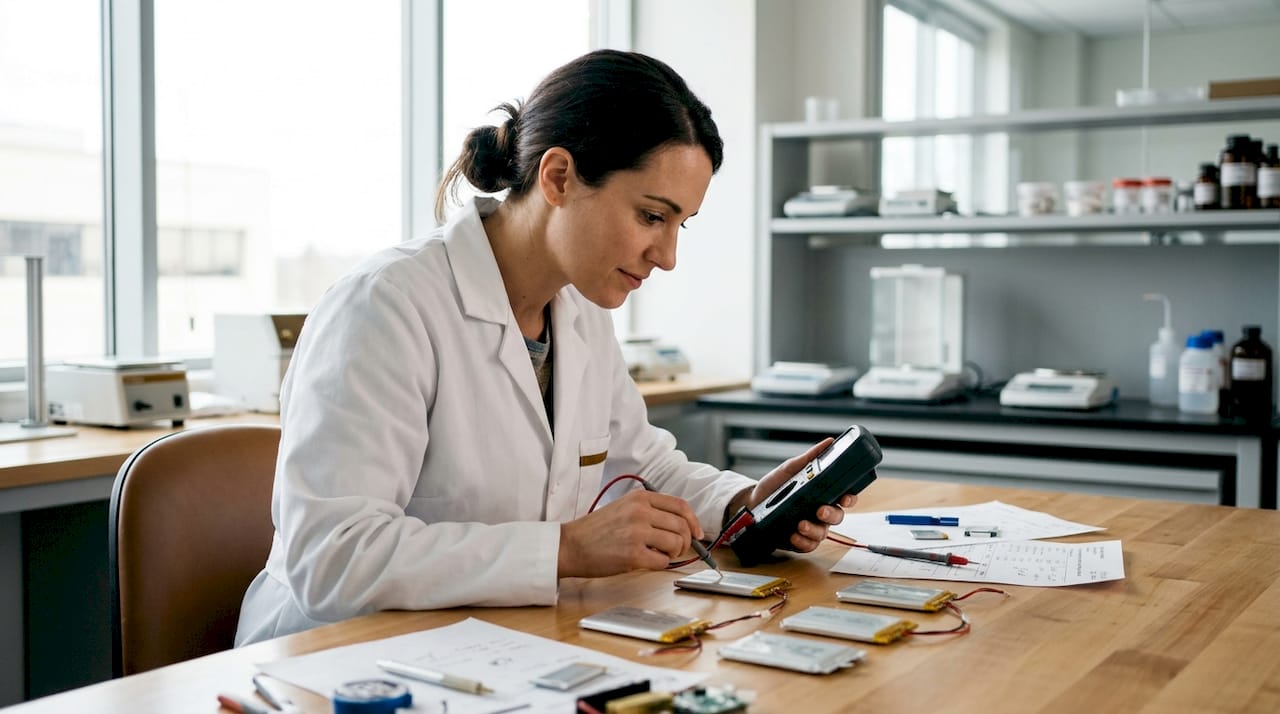
A documented firmware fault caused one LED therapy device to deliver 23 minutes of treatment instead of the intended 20 minutes. That is a 15% dose error caused entirely by software, not hardware failure. Skin irritation, reduced efficacy, or cumulative overexposure can all follow from errors of that magnitude.
Hardware testing alone cannot catch software faults of this kind. A device can pass every physical inspection and still carry a firmware bug that skews treatment timing or intensity. Software updates correct these treatment parameters after launch, restoring the intended outcome. Security patches also prevent manipulation of safety timers and other protective functions that keep treatments within safe limits.
Key safety improvements delivered by firmware updates include:
- Dose correction: Restoring accurate treatment durations after timing errors are identified post-launch.
- Safety timer enforcement: Patching vulnerabilities that could allow safety cut-offs to be bypassed.
- Parameter validation: Adding checks that prevent out-of-range intensity settings from being applied.
- Error logging: Enabling the device to record faults for remote diagnosis before they affect treatment.
Pro Tip: Before each treatment session, check whether your device’s companion app has a pending update. Applying updates before use, rather than after, means every session runs on the most accurate parameters available.
What new features can software updates bring to beauty devices?
Software updates do not only fix problems. They actively add value throughout a device’s commercial life. Beauty device software support typically spans 2–3 years, during which manufacturers can push meaningful improvements that change how the device performs and feels to use.
The most common enhancements delivered through updates include:
- Interface improvements: Clearer menus, expanded language support, and redesigned control layouts that reduce user error during treatment setup.
- New treatment protocols: Additional intensity levels, pulse patterns, or session durations that reflect the latest clinical research on LED therapy or microcurrent stimulation.
- Remote diagnostics: The ability for the device to flag maintenance needs or component wear before a fault affects treatment quality.
- Accessory compatibility: Updates add support for new handpieces or attachments, effectively expanding what the device can do without requiring a hardware purchase.
- Workflow speed: Faster boot times, shorter calibration sequences, and improved Bluetooth pairing with companion apps.
This is why beauty tech innovation drives results over time rather than only at the point of purchase. A device bought in january 2024 can perform noticeably better by december 2025 if the manufacturer has maintained an active update programme. Closed or poorly maintained software ecosystems, by contrast, often lead to shorter device lifecycles and user dissatisfaction.
What are the cybersecurity risks of skipping beauty device updates?
Connected beauty devices are IoT products. That classification matters because AI-powered hackers increasingly exploit IoT vulnerabilities in 2026, and beauty devices are not exempt from that threat.
An unpatched device can expose personal data, allow unauthorised access to usage history, or have its safety features disabled remotely. These are not theoretical risks. They are the documented consequences of leaving known vulnerabilities unaddressed in any connected consumer device.
Regularly applying firmware and app updates closes security gaps that could compromise personal data and device safety features. Treating updates as optional is the same as leaving a known entry point open.
Security patches address specific, identified weaknesses. Each update that goes uninstalled leaves that weakness active. OTA update logs required by regulations now create a traceable record of what firmware a device is running, which also helps identify whether a device has been tampered with.
Consumer responsibility here is straightforward. Enable automatic updates where the device supports them. Check the manufacturer’s app or website monthly if automatic updates are not available. For guidance on how connected devices handle these threats, the sensor technology guide covers the architecture behind connected beauty tools in detail.
Pro Tip: If your device manufacturer has not released a firmware update in over 12 months, contact their support team directly. Silence on updates is not the same as a clean security record.
How do international regulations shape software update requirements?
Regulatory frameworks now treat firmware as a core product component, not an optional add-on. The Saudi SASO SABER platform introduced mandatory requirements from may 10, 2026 that set a new standard for firmware governance in beauty devices.
| Requirement | Detail |
|---|---|
| SHA-256 hash submission | Manufacturers must submit a cryptographic fingerprint of each firmware version to verify integrity. |
| Six-month OTA upgrade logs | A full record of over-the-air updates must accompany every SABER registration application. |
| Non-compliance penalty | Rejected applications are barred from resubmitting for 90 days. |
| User consent traceability | Regulations require evidence that firmware changes were communicated to and accepted by end users. |
| Scope | Applies to all beauty devices seeking registration on the Saudi market from may 2026 onwards. |
These SASO SABER firmware requirements mark a significant shift. Firmware integrity is now a condition of market access, not a quality differentiator. A device that cannot demonstrate a clean update history cannot legally be sold in Saudi Arabia. For consumers, this creates a practical filter: devices that meet SABER registration standards have already passed a firmware governance test that many global markets do not yet require. The certified beauty device brands guide explains which brand categories currently meet these standards in the Saudi market.
What should you check before buying a software-updatable beauty device?
Purchasing a beauty device without understanding its software support model is a common and costly mistake. Consumers should never assume OTA update support or free maintenance without confirming it directly with the manufacturer.
Before buying, ask these questions:
- How are updates delivered? OTA updates via a companion app are the most convenient. USB-only or technician-required updates add friction and cost.
- Are updates free? Some manufacturers charge for major firmware versions. Confirm the pricing model before purchase.
- What happens if the online service is discontinued? If a device depends on cloud connectivity for core functions, a discontinued service can render it non-functional.
- How often does the manufacturer release updates? A brand that has released no updates in 18 months is unlikely to maintain active support going forward.
- What is the stated software lifecycle? Manufacturer transparency on update cadence is a reliable indicator of long-term device quality.
Pro Tip: Search the manufacturer’s support page for a firmware changelog before purchasing. A regularly updated changelog signals an active development team. An empty or outdated one signals the opposite.
Devices with clear software roadmaps and after-sales support consistently outperform those with closed ecosystems over a two to three year ownership period. The after-sales service guide covers what to look for in manufacturer support commitments in detail.
Key takeaways
Software updates are not optional maintenance for beauty devices. They are the mechanism that keeps treatment parameters accurate, security vulnerabilities closed, and regulatory compliance intact.
| Point | Details |
|---|---|
| Safety depends on firmware accuracy | A single firmware bug can cause a 15% dose error, making updates critical for safe treatment delivery. |
| Updates add features, not just fixes | Software support spanning 2–3 years can add new protocols, accessories, and diagnostics to existing hardware. |
| Cybersecurity is a real concern | Unpatched IoT devices are active targets for AI-driven attacks that can compromise data and safety functions. |
| SASO mandates firmware traceability | From may 2026, Saudi market registration requires SHA-256 hashes and six-month OTA logs for all beauty devices. |
| Verify update policies before purchase | Confirm update method, cost, frequency, and lifecycle support before committing to any device. |
Why I think software updates are the most underrated factor in beauty tech
Most people buying a beauty device focus on the hardware spec sheet. Wavelength range, microcurrent intensity, treatment modes. Those things matter. But I have seen enough firmware failures to know that the software running beneath the hardware is where real-world performance is actually determined.
The 15% LED dose error is not an isolated case. It is a category-level risk that applies to any device where firmware controls treatment parameters and updates are infrequent or absent. What makes it particularly frustrating is that the hardware in those cases is often excellent. The device is well-built, well-designed, and completely undermined by a software fault the manufacturer chose not to prioritise.
The SASO SABER requirements introduced in may 2026 are, in my view, the most significant regulatory development in beauty tech in years. Requiring SHA-256 hash verification and six-month OTA logs forces manufacturers to treat firmware as a product, not an afterthought. That is good for everyone buying a device in Saudi Arabia, because it creates a baseline of accountability that simply did not exist before.
My practical advice is this: treat a manufacturer’s update history the same way you would treat a skincare brand’s ingredient transparency. If they cannot show you what they have changed, when they changed it, and why, that is a signal worth taking seriously. Devices with active, documented update programmes consistently deliver better long-term results than those with polished hardware and silent software teams.
— Adam
Glowera’s range of beauty tech with software update support
Glowera curates beauty tech devices from brands that take firmware maintenance seriously. Every device in the collection is selected with long-term performance in mind, which means prioritising brands that offer OTA updates, transparent software roadmaps, and clear after-sales support.
For those specifically interested in LED therapy devices where treatment accuracy depends directly on firmware precision, Glowera’s selection includes devices that meet current SABER registration standards. The K-beauty tech collection brings together Korean skincare technology brands known for consistent software support and regular protocol updates. If you are investing in a device for anti-ageing or skin rejuvenation, choosing one with a proven update record is the most practical way to protect that investment.
FAQ
What does a software update actually do to a beauty device?
A software update corrects firmware errors, adjusts treatment parameters, adds new protocols, and closes security vulnerabilities. It changes how the device behaves without altering the physical hardware.
How often should I update my beauty device’s firmware?
Apply updates as soon as they are released. Manufacturers issue updates in response to identified faults or security gaps, so delaying installation leaves known issues active during treatment.
Can skipping updates make my beauty device unsafe?
A documented firmware bug caused one LED device to deliver 15% more treatment time than intended. Uncorrected firmware errors of this kind can cause skin irritation or reduced efficacy over repeated sessions.
What is an OTA update for a beauty device?
OTA stands for over-the-air. It means firmware is delivered wirelessly through a companion app, without requiring a USB cable or technician visit. OTA is the most convenient and widely supported update method for modern beauty devices.
Do Saudi regulations require beauty devices to have software updates?
From may 10, 2026, the SASO SABER platform requires manufacturers to submit firmware SHA-256 hash values and six-month OTA upgrade logs as part of device registration. Devices without this documentation cannot be registered for sale in Saudi Arabia.